





Introduction — Zurich entry requirements: everything to know before you go
Visiting Zurich, Switzerland’s financial and cultural hub, usually involves only a few formalities for many travelers — but poor preparation can lead to delays, extra costs or unwelcome surprises on arrival. This comprehensive guide walks you through the steps and rules for entering Zurich (Flughafen Zürich / Zurich Airport), passing immigration and customs, carrying goods, traveling with pets or medication, driving, and using payment methods. The goal is to give you practical information, exact addresses, opening hours and prices in euros, plus local tips to make your arrival smoother so you can start enjoying the city fast.
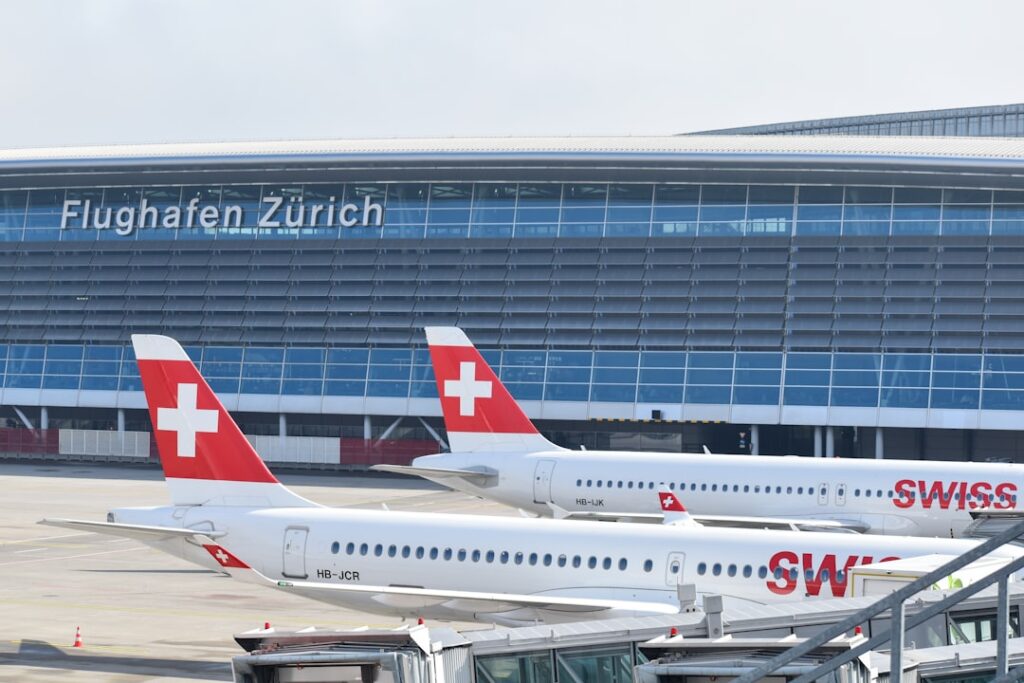
Zurich is mainly served by Zurich Airport (Flughafen Zürich), located on the city’s northern edge. The airport is modern, well signposted and has direct rail connections to the main station (Zürich Hauptbahnhof). Beyond the airport itself, you should know the entry rules for Switzerland — a Schengen member but not part of the European Union — which means specific visa, customs and health checks apply. Whether you’re coming from an EU country, the UK, the USA, Asia or Africa, you’ll find here what to arrange before you travel, what to pack in your carry‑on, which counters to go to, and how to skip lines using tested local tips.
This guide includes: precise addresses like Flughafen Zürich, 8058 Zürich, Switzerland; useful agencies such as the Staatssekretariat für Migration (SEM) at Quellenweg 6, 3003 Bern; and clear prices in euros (for example: Schengen visa fees around €80 for adults). You’ll also find recommendations on travel insurance, passport validity, rules for importing alcohol and tobacco, how to carry prescription medicines, and procedures for bringing a pet (pet passport, possible quarantines). Finally, we cover practical tips about currency exchange (the official currency is the Swiss franc — CHF), transport from the airport (train, tram, taxi) and approximate timetables and fares to help you budget before you leave.
1) Passport, visa and general entry conditions for Switzerland
Before any trip, check your passport’s validity: for Switzerland, your travel document is generally required to be valid for at least 3 months beyond your planned departure date from the Schengen area. Citizens of the European Union and the European Economic Area (EEA) can enter with a valid national ID card. Nationals from other countries will often need a biometric passport.
Schengen visa (short stay, Type C)
Switzerland follows Schengen rules for short stays. If your nationality requires a Schengen visa, you must obtain a short‑stay visa (Type C) before departure. Key points:
- Standard fee: about €80 for an adult (current Schengen rate). The fee for children aged 6–12 is usually €40; under 6s are free.
- Maximum stay: 90 days in any 180‑day period for a tourist visa.
- Procedure: submit your application at the Swiss embassy or consulate with jurisdiction, or at an authorized external visa application center. Prepare: valid passport, compliant ID photos, travel insurance covering at least €30,000 (or equivalent in CHF), proof of funds or hotel booking, return ticket.
- Processing time: expect about 15 working days on average, but it’s advisable to apply 3–4 weeks before travel.
Useful address for applicants from France: Embassy of Switzerland in France, 142 Rue de Grenelle, 75007 Paris, France. If you’re in another country, check the website of your nearest Swiss consulate.
Residence permits and registration for longer stays
If your stay will exceed 90 days, you must register with the cantonal authorities. In Zurich, the competent office is the Population / Migration Service (see the local administration section). Workers, students or family members may need specific permits (for example: permit B, permit L) which often require an employment contract, university enrollment proof or sufficient financial means. Registration fees vary: for a residence permit expect administrative costs between €30 and €200 (equivalent in CHF depending on the permit type and cantonal processing fees).
2) Arriving at Zurich Airport: checks, customs and transport
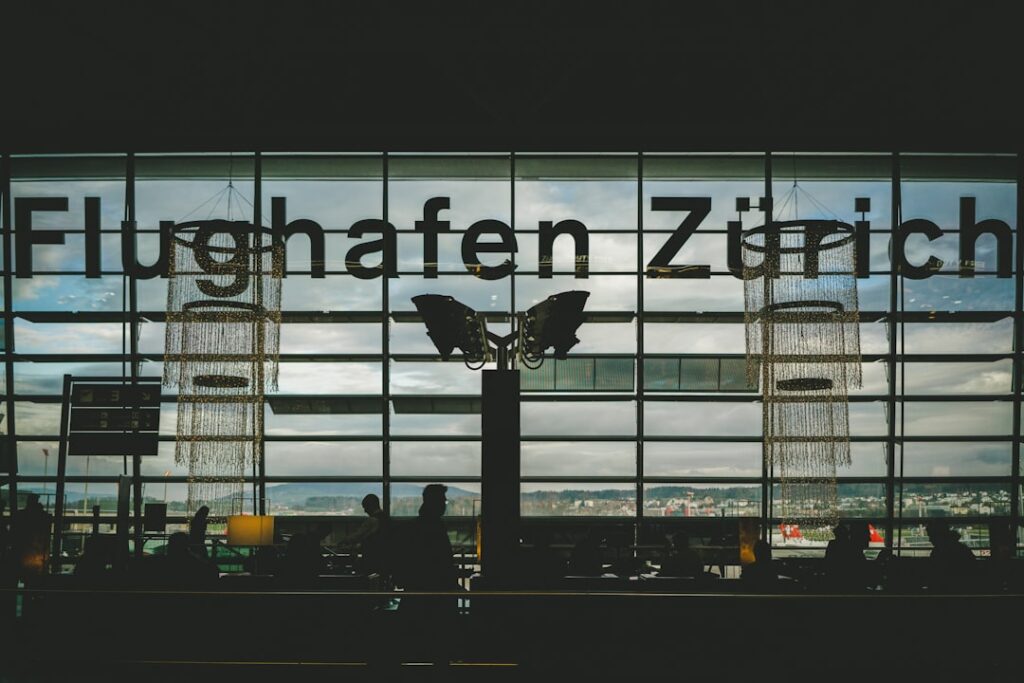
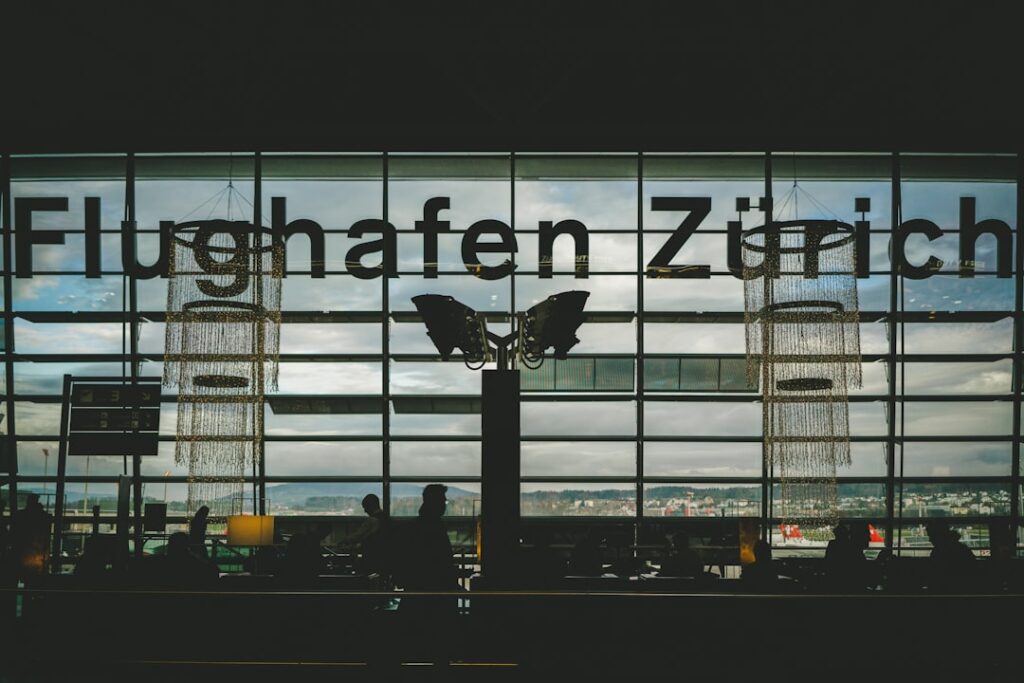
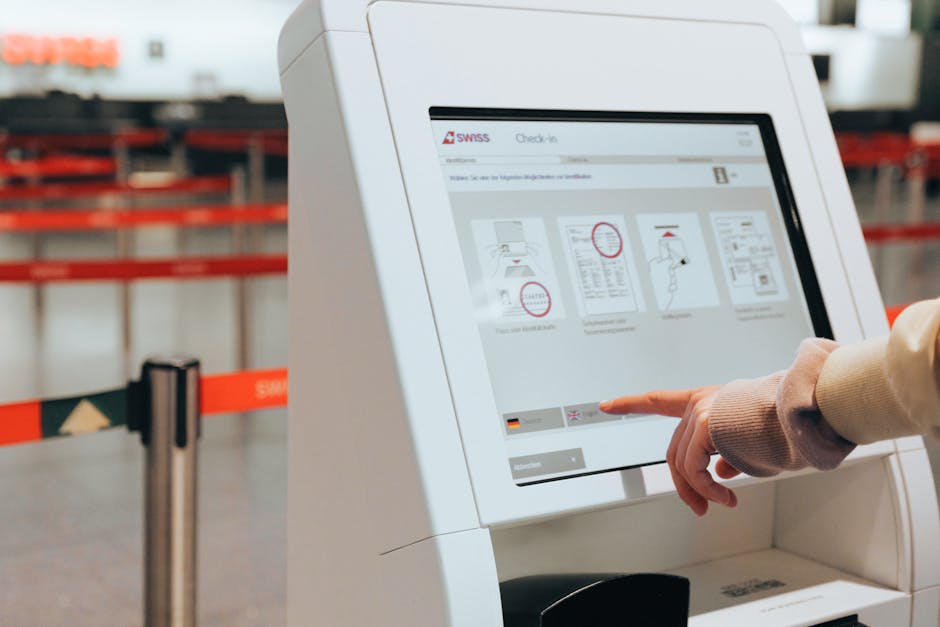
Flughafen Zürich (address: Flughafen Zürich, 8058 Zürich, Switzerland) is the main gateway. The airport offers many services for travelers, including customs counters, immigration control, information desks and fast rail links to the city center.
Immigration and passport control
If you’re subject to checks, you’ll pass through the immigration area where officers will inspect your passport and, if necessary, your visa. Queues can be long during peak times (mornings and evenings). To reduce waiting time:
- Allow 3 hours for an intercontinental flight and 2 hours for an intra‑Schengen flight when departing.
- Keep your documents ready: passport, boarding pass and proof of insurance or bookings if requested.
Customs: limits and declarations
Switzerland is outside the EU for tax purposes. There are personal allowances for importing tobacco, alcohol and foodstuffs. For adult travelers (18 years and older), common examples:
- Alcohol: 1 litre of spirits (>18% vol.) or 2 litres of sparkling wine, or 4 litres of still wine (approximate values).
- Beer: 16 litres.
- Tobacco: 250 cigarettes (or 250 g of tobacco).
If you exceed these quantities you must declare and pay duty. Customs checks at Zurich Airport are handled at the central customs post located in the arrivals terminal. If you bring goods of a commercial value over 300 CHF they must be declared. The airport customs office is staffed continuously for international flights, but counter opening times may vary by terminal — allow time for formalities.
Transport from the airport: fares and schedules
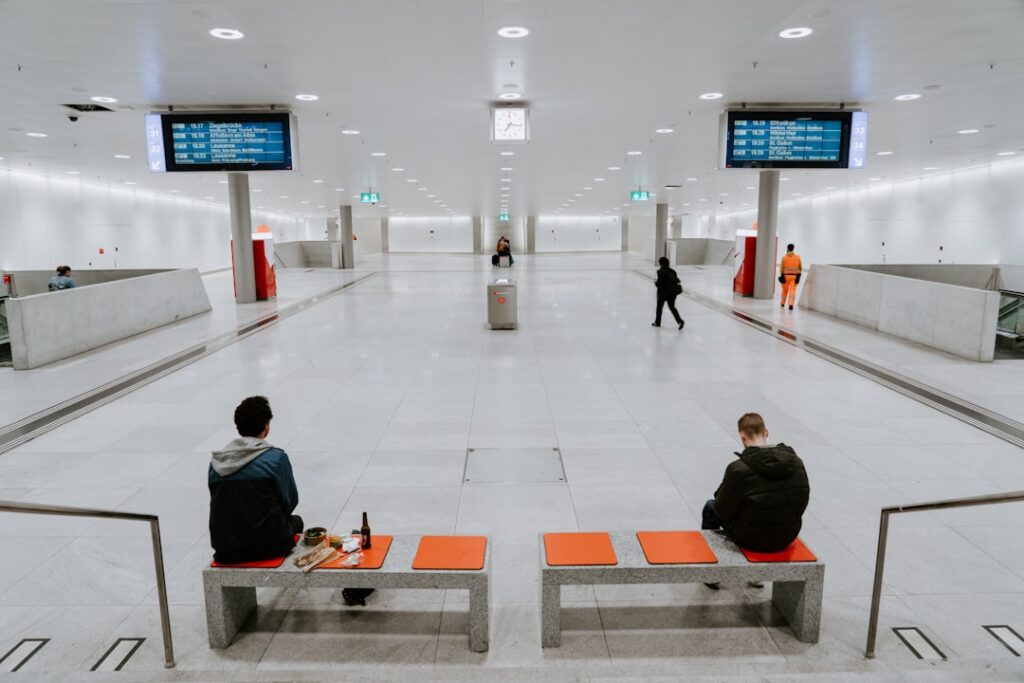
The station beneath the terminal links you to Zürich Hauptbahnhof (Zürich HB) in 10–15 minutes by regional train (SBB/CFF). Approximate fares:
- Single ticket Zurich Airport → Zürich HB: around €6.50 (indicative price; fares are paid in CHF locally; check SBB.ch for up‑to‑date fares).
- Trains: frequent departures, typically every 5–15 minutes depending on time of day. Limited overnight services with night trains and buses.
- Taxi: ride to the city center ~€30–45 depending on traffic and destination (fare paid in CHF locally).
3) Rules for medicines, food items and specific goods
Carrying medicines into Switzerland is allowed if you respect certain formalities. The tips below will help you avoid problems on arrival or during checks:
Medication and prescriptions
- Keep medicines in their original packaging with the prescription/medical reference. It’s recommended to carry a letter from your doctor written in English or German for special treatments (for example: narcotics or psychotropic drugs requiring a prescription).
- Quantity: typically enough for personal use during your stay. Controlled medicines (List II) may need prior authorization.
If you travel with syringes or medical devices (insulin pumps, etc.), declare them before going through customs and carry the relevant medical paperwork.

Food items and animal products
Restrictions on importing food and animal products are strict to prevent health risks. Generally, meat products and most dairy products from non‑EU/EEA countries are prohibited or subject to declaration and inspection. If in doubt, declare — a voluntary declaration is better than risking a fine or having products destroyed.
Cultural goods and valuables
High‑value artworks or antiques may require export documentation from the country of origin and declaration on entry. Keep invoices and certificates to avoid problems.
4) Traveling with a pet and health requirements
If you plan to enter Switzerland with a pet (dog, cat or ferret), be prepared to meet a set of specific formalities. Switzerland follows EU rules for pets, which means documentation and vaccinations must be in order.
Pet passport and vaccinations
- The dog/cat must have a European pet passport or an equivalent veterinary health certificate issued by an authorized veterinarian.
- Rabies vaccination: vaccination must be valid at the time of entry and given at least 21 days before travel if it’s the first vaccination. Validity periods vary by vaccine (1 to 3 years).
- Identification: microchip or readable tattoo (microchip recommended for universal recognition).
Pets from higher‑risk countries may be subject to additional entry measures, including rabies blood tests. Exact rules depend on the country of origin; check with the Zurich cantonal veterinary service or the official Office of Veterinary Services (Tierschutzamt) before you travel.
Air travel and arrival checks
Most airlines require advance booking and confirmation to transport animals. On arrival, head to the designated “animals” / customs control for pets to present the passport and certificates. At Zurich Airport, follow signage for “Transit/Arrivals – Pets” or ask for help at an information desk.
5) Driving, insurance and communications in Switzerland
Driving in Zurich and across Switzerland comes with a few obligations: a valid driving licence, insurance, motorway vignette if applicable, and knowledge of local rules. Here are the essentials for foreign drivers.
Driving licence and required documents
- National licence: licences issued by EU/EEA countries are generally recognized for short stays without extra paperwork. For other nationalities, an International Driving Permit (IDP) alongside your national licence is strongly recommended.
- Insurance: the international motor insurance green card can be useful. Renting a car usually includes third‑party liability; check collision and theft coverage.
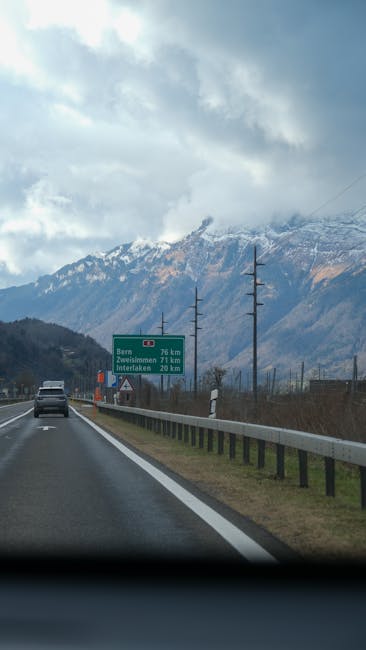
- Motorway vignette: an annual vignette is required to use Swiss motorways. Rental cars in Switzerland usually already have the vignette.
Phone, internet and SIM cards
Switzerland has excellent mobile coverage. For affordable communications:
- Buy a local SIM from operators like Swisscom, Sunrise or Salt after you arrive; airport kiosks (Flughafen Zürich) and city shops are usually open from around 08:00 to 20:00 depending on location.
- Network: 4G/5G available; roaming charges depend on your home operator.
Travel and health insurance
Before you travel, take out travel insurance covering hospitalization and repatriation. EU/EEA citizens can use the European Health Insurance Card (EHIC) or the UK’s GHIC for emergency care, but this does not replace comprehensive travel insurance. Healthcare costs in Switzerland are high: a consultation can cost €80–200 or more depending on the specialist.
Conclusion — Preparing your arrival in Zurich: practical summary and local tips
Entering Zurich is straightforward if you prepare ahead: check passport validity (at least 3 months after your planned departure), verify if you need a Schengen visa and organize documents for stays longer than 90 days. On arrival at Flughafen Zürich (Flughafen Zürich, 8058 Zürich), allow time for immigration and customs, bring prescriptions in English/German, respect import limits for alcohol and tobacco, and prepare paperwork for pets if you travel with them.
Some practical local tips to save time and money:
- Prefer the train from the airport to Zürich Hauptbahnhof: fast, frequent and economical (single ticket around €6.50).
- Change a small amount of CHF at the airport for immediate expenses; most shops accept cards, but some small businesses may prefer Swiss francs.
- If you have an administrative appointment in Zurich (residence permit, registration), check opening hours and book online: many cantonal services charge variable fees and require a complete file to avoid multiple trips.
- Keep a digital copy of essential documents (passport, visa, insurance, prescriptions) and a separate paper copy in case of loss.
If in doubt, consult official sources before you travel: the Staatssekretariat für Migration (SEM) at Quellenweg 6, 3003 Bern, Switzerland for immigration rules; Zurich Airport’s website for timetables and services; and official customs pages for allowances and obligations. Finally, adapt this information to your nationality and the exact purpose of your stay (tourism, work, study): situations vary and some cases may require extra steps. Have a great trip and welcome to Zurich — a safe, accessible city full of urban and natural experiences.