





Introduction — Understanding Zurich’s healthcare system before your trip
Zurich is a clean, safe and well-organized city, but getting sick or injured while traveling can still be stressful. Knowing how Zurich’s healthcare system works helps you act quickly in an emergency and pick the right place for care — whether it’s a life-threatening situation, a walk-in consultation, an on-call pharmacy or dental treatment. This guide is aimed at tourists spending a few days or a few weeks in Zurich: it explains where to go, gives rough costs in euros, lists useful addresses and opening hours, and shares local tips to save time and money.
Healthcare in Switzerland is high quality but expensive. Public and private facilities run emergency services 24/7; scheduled consultations are by appointment, and many clinics offer services in English. For European visitors, the European Health Insurance Card (EHIC/CEAM) may cover some necessary treatments, but it’s not a substitute for comprehensive travel insurance — always check the details before you leave. Non-EU/EFTA tourists must take out travel insurance that covers medical costs in Switzerland.
In this detailed introduction I’ll cover the essentials: emergency numbers, major Zurich hospitals with exact addresses, useful pharmacies, and basic cost rules. Zurich’s health system relies on several general hospitals and specialist clinics; depending on severity you’ll choose one or the other. I also include practical advice (transport to hospitals, administrative steps, over-the-counter meds) and local tips (best times to avoid queues, telephone triage apps, on-call pharmacies).
To make this concrete I provide example costs in euros — note: prices are indicative and vary depending on treatment, length of stay and your insurance coverage. Amounts are approximate conversions from Swiss francs (CHF) at current rates and rounded to simplify reading. Check exact opening hours for each facility and keep copies of your insurance documents and ID both on your phone and on paper.
Main hospitals and useful addresses (where to go depending on severity)
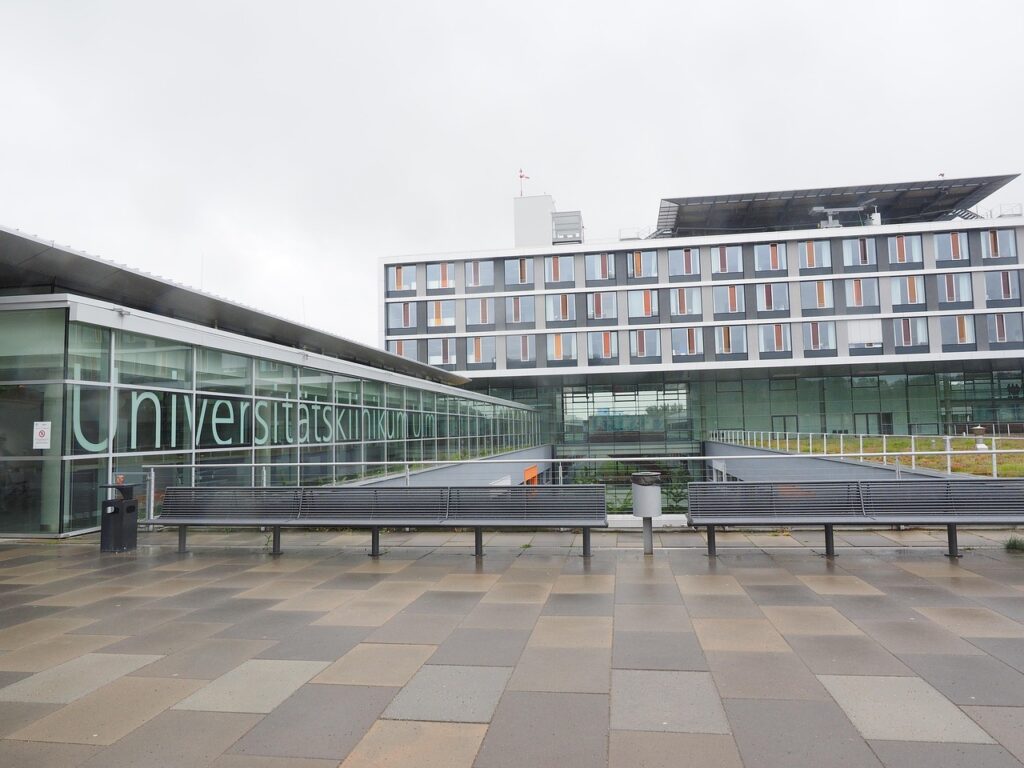
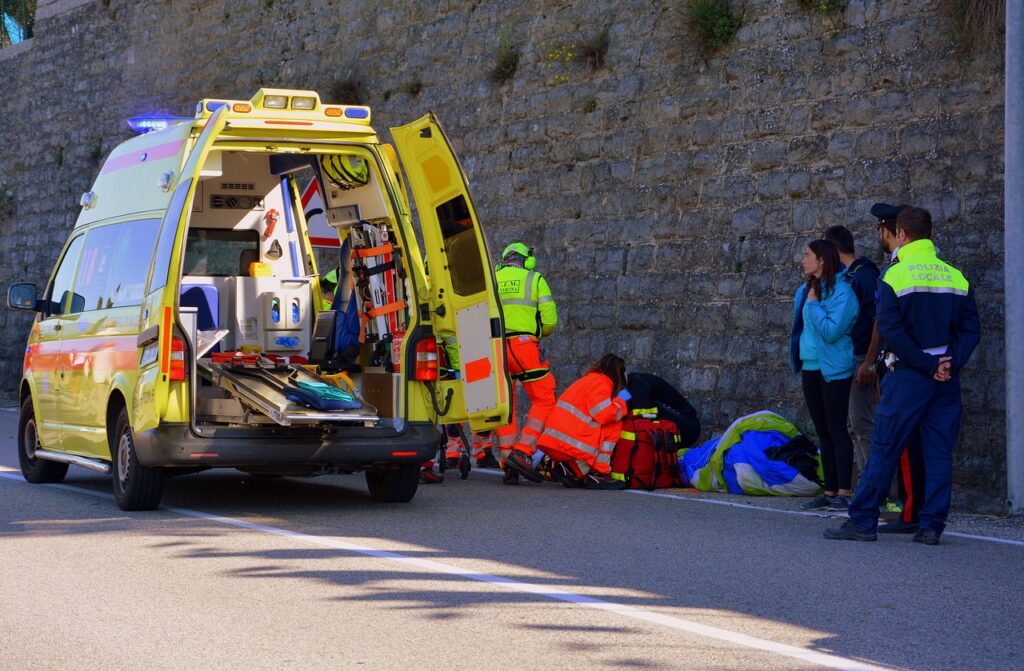
For life-threatening emergencies (cardiac arrest, severe trauma, major bleeding) the instinct in Zurich is to call the European emergency number: 144 for an ambulance. Police can be reached at 117. Both services respond in English and German. Major city hospitals operate emergency departments 24 hours a day:
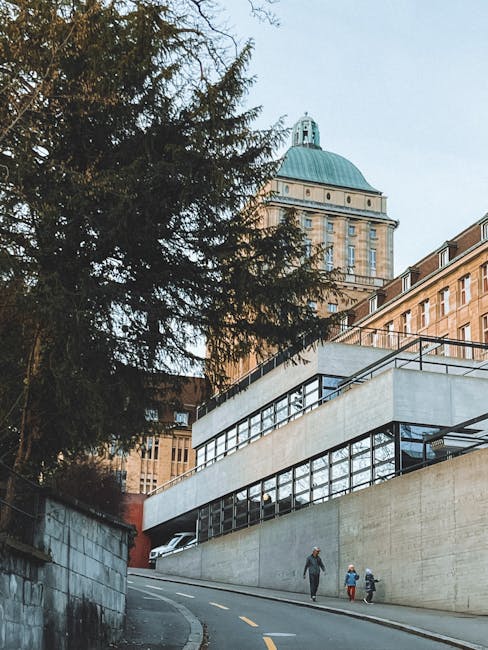
- Universitätsspital Zürich (USZ) — Rämistrasse 100, 8091 Zürich. Emergency department open 24/7. Excellent care in traumatology, cardiology and intensive care. Indicative costs: ER visits typically range from €200 to €600 depending on tests (x-ray, CT scan). Hours: 24 hours / day.
- Stadtspital Triemli — Walchestrasse 10, 8006 Zürich. Large municipal hospital with emergency services, orthopedics and maternity. Emergencies 24/7. Approximate prices: emergency consultation €150–€450, shared-room hospitalization from about €400–€800 per night (depends on coverage).
- Waidspital (Stadtspital Waid) — Waidbergstrasse 119, 8037 Zürich. Specializes in orthopedics and traumatology; emergency care 24/7. Located on the Waid hill, accessible by regional bus/tram. Prices are similar to other emergency departments.
- Balgrist University Hospital (Balgrist Klinik) — Forchstrasse 340, 8008 Zürich. A reference center for orthopedics and spinal surgery; it handles orthopedic emergencies, but for general emergencies you should prefer USZ or Triemli. Opening hours: specialized services by appointment; orthopedic emergencies 24/7 for confirmed acute cases.
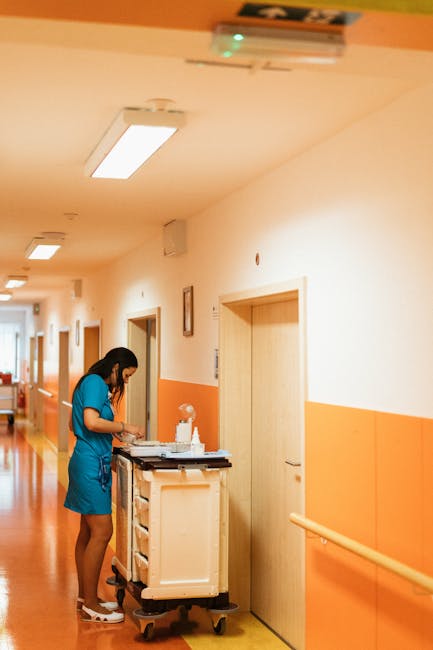
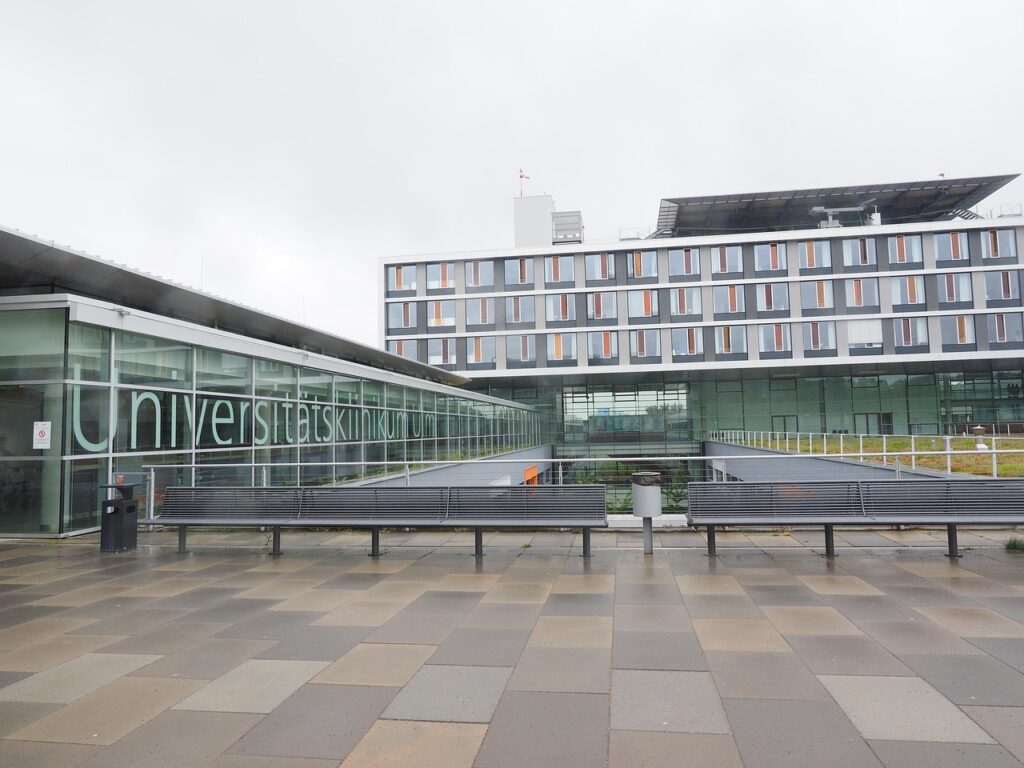
Local tip: for non-life-threatening emergencies (acute pain without immediate danger) you can go to a hospital emergency department but expect triage based on severity. To save time, arrive early in the morning (between 7:30 and 9:00) for non-urgent issues. Bring your passport, insurance card and, if possible, a copy of your EHIC. If you need a quick general practitioner, look for a walk-in clinic or a « Notfallpraxis » (drop-in clinic).
Pharmacies, medications, costs and opening hours
Pharmacies (Apotheken / Pharmacy) are plentiful in Zurich but opening hours vary. Most are open Monday to Friday around 08:30–18:30, Saturday 09:00–16:00, and closed on Sunday except for on-call pharmacies. Useful addresses include:
- Apotheke am Bellevue — Bellevueplatz 3, 8001 Zürich. Typical hours: Mon–Fri 08:30–18:30, Sat 09:00–16:00. Neighborhood pharmacy near the lake offering over-the-counter and prescription medicines.
- TopPharm Apotheke HB — Bahnhofplatz 15, 8001 Zürich (near Zürich Hauptbahnhof). Hours: Mon–Fri 08:00–20:00, Sat 09:00–18:00 (check notices for public holidays). Handy for travelers arriving by train.

Prices in euros: over-the-counter medicines (paracetamol, ibuprofen) generally cost between €3 and €10. A small first-aid kit (bandages, antiseptic, painkillers) bought at a pharmacy will cost €15–€35. Prescription medicines vary and are not free: expect bills of €10–€60 per medication depending on type.
On-call pharmacies: Zurich posts the weekly list of on-call pharmacies (Notfallapotheke) in front of all pharmacies and online on the city website. There is always at least one pharmacy open in the evening and at night; medication prices are the same but a night/weekend surcharge may apply (around €5–€20).

Common care, clinics and costs for tourists
If you need a general practitioner for a non-urgent consultation (cold, stomach bug, minor injury), there are private practices and urgent care centers (Notfallpraxis) in Zurich. Examples:
- Notfallpraxis Zürich City — Near Bahnhofstrasse, walk-in consultations (address may vary by season; confirm online). Fees: general consultation €60–€120 excluding additional tests.
- Allgemeinmedizin Praxis Dr. med. Markus Müller — Beispielstrasse 12, 8001 Zürich. (Note: to find a GP who accepts non-residents, search « English-speaking GP » on local directories). Fees: first consultation €80–€150.
Additional tests: a simple x-ray can cost €50–€150, a CT scan between €200 and €600, and blood tests €20–€100 depending on the panel. An emergency dental visit can be expensive: budget €80–€300 for a basic visit and simple treatments, much more for complex procedures.
Practical tips:
- Before you travel, take a photo of your travel insurance policy and download your insurer’s app to file a claim quickly.
- If you’re an EU/EFTA citizen, present your EHIC — it covers only medically necessary care and not necessarily repatriation or full costs.
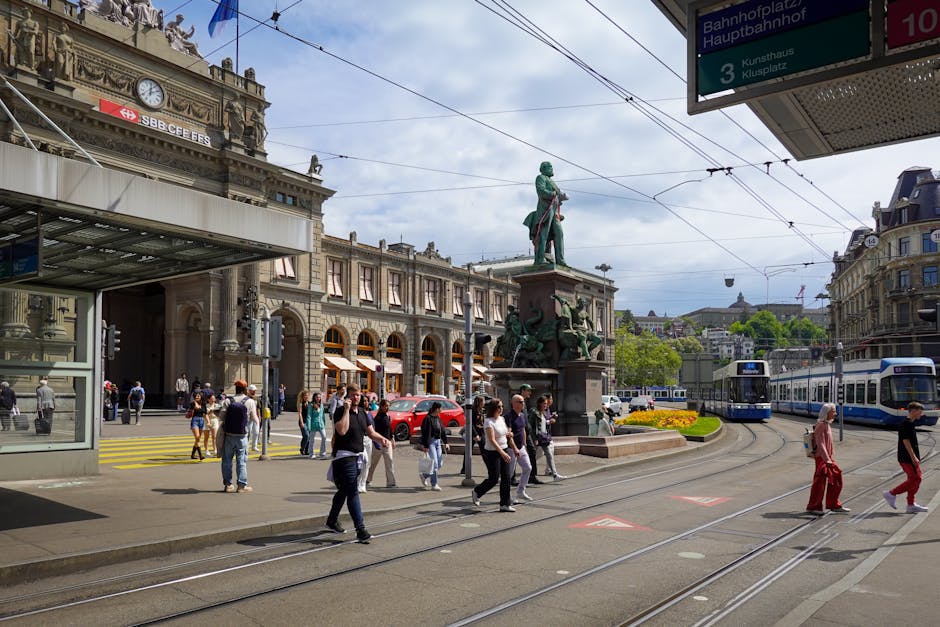
- Use public transport (VBZ trams/buses): Zurich Hauptbahnhof (Bahnhofplatz 15, 8001 Zürich) is the central hub for quick access to hospitals. Taxis are expensive: a city-center to hospital trip is roughly €15–€35.
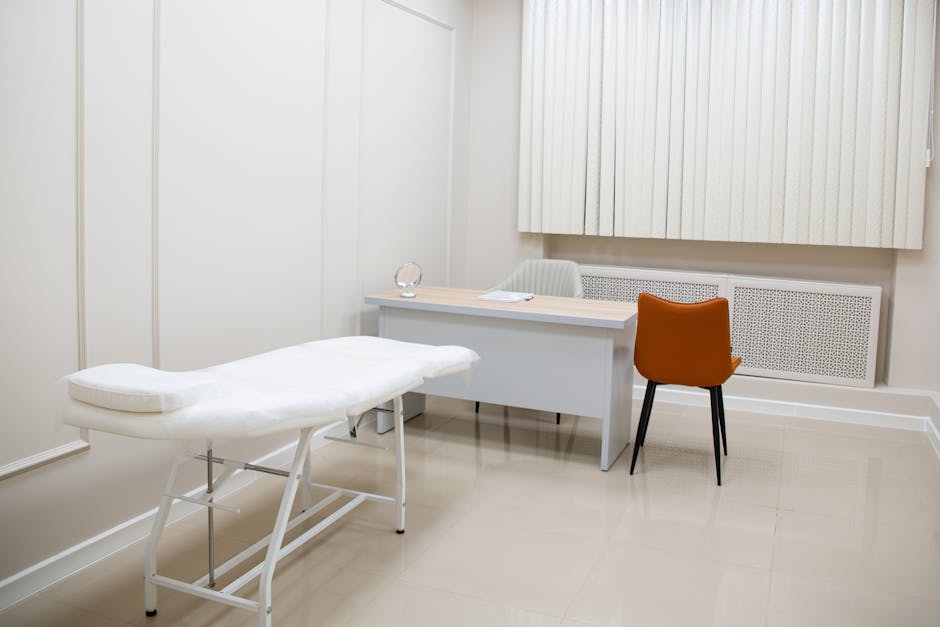
Local tips, administrative steps and prevention
Before any medical appointment in Zurich, prepare these documents: passport, insurance card, phone number, a list of your regular medications and your travel insurer’s emergency number. In clinics you’ll often be asked to pay at the time of service, so bring a bank card with a sufficient limit. Many doctors accept card payments (Visa/Mastercard); some small pharmacies may prefer cash.
Prevention and supplies: buy a small first-aid kit on arrival if you plan to hike in the mountains (bandages, disinfectant, adhesive sutures), because pharmacies can be harder to reach outside Zurich. If you have a chronic condition (asthma, diabetes), bring prescriptions in English and enough medication for your stay. For vaccines and travel-specific advice (yellow fever, hepatitis, booster shots), contact a travel medicine clinic — Universitätsspital Zürich offers a travel medicine department on the same campus (Rämistrasse 100) by appointment.
Important reminders:
- Avoid excessive self-medication: some painkillers available over the counter in other European countries may be used differently in Switzerland; ask the pharmacist for advice.
- In a road accident, call emergency services first (144) then inform your insurer; gather photos and witness statements.
- Tourist consultations or teleconsultations in English are common; search « English-speaking doctor Zurich » on Google Maps to find a suitable practice.
Additional services: dentistry, physiotherapy and repatriation
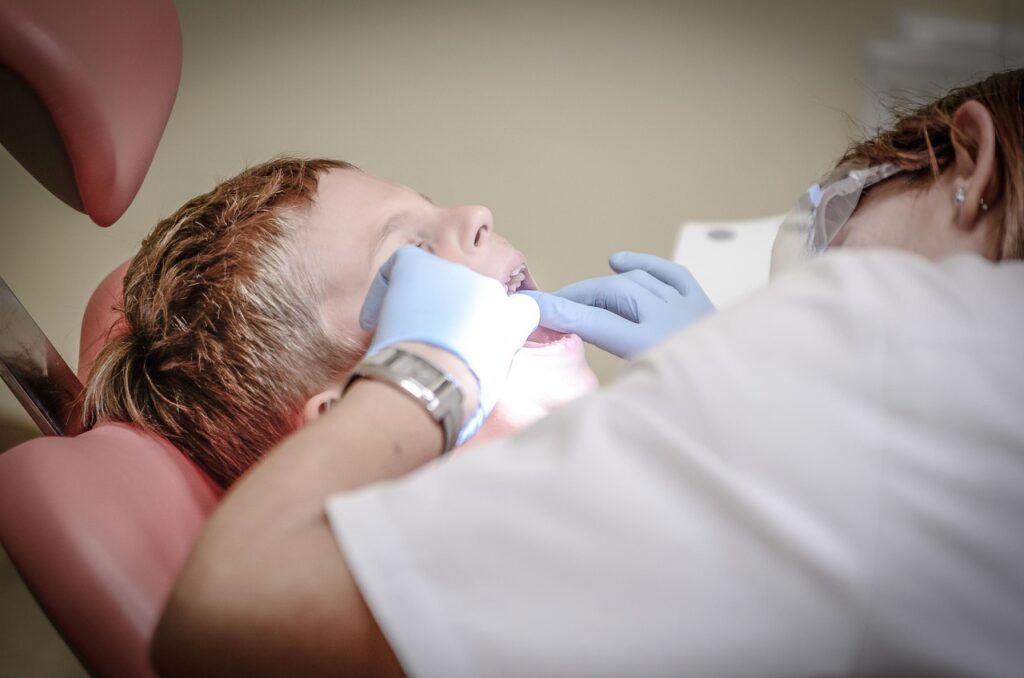
Non-urgent needs like dentistry or physiotherapy are well covered in Zurich. Representative addresses and practical information include:
- Zahnklinik Zürich (Dental Clinic) — Bahnhofstrasse 98, 8001 Zürich. Hours: Mon–Fri 08:00–18:00. Entry and diagnostic fees: €50–€120, treatments vary (filling €80–€200, extraction €100–€400 depending on complexity).
- Physiotherapie Zentrum Zürich — Seefeldstrasse 80, 8008 Zürich. Hours: Mon–Fri 07:30–19:00. Physiotherapy sessions: €50–€120 per session depending on therapist and duration.
Repatriation and insurance: most international travel insurers offer a medical repatriation option — check this before you go. If you need long hospitalization, your insurer can arrange and fund repatriation. Keep all receipts and medical notes for reimbursement.
Conclusion — Prepare well to minimize risk during your stay
Zurich’s healthcare system provides excellent care, but it is expensive and follows strict rules: 24/7 emergency departments at major hospitals (Universitätsspital Zürich, Stadtspital Triemli, Waidspital), pharmacies with varying hours, and private practices for scheduled consultations. For a tourist, the key to handling a health issue in Zurich is preparation: buy suitable travel insurance, bring your health documents, know the emergency number (144) and practical addresses (Rämistrasse 100 for USZ, Walchestrasse 10 for Triemli, Waidbergstrasse 119 for Waidspital), and budget for potential costs (emergency consultation €150–€600, ambulance €300–€800, medications €3–€60 depending on treatment).
Before you travel, save useful contacts in your phone: emergency number 144, your country’s embassy or consulate address, and your insurer’s assistance line. Use public transport (VBZ trams and buses) to get to medical centers quickly; always carry a copy of your EHIC if you’re European, but don’t rely on it alone. For minor medical doubts, prefer a clinic or pharmacy consultation to get fast advice and avoid larger bills.
Finally, enjoy Zurich while staying cautious: good preparation will let you handle most health situations without stress. Care teams often speak English and are used to tourists; be clear about your symptoms, medical history and insurance coverage. Have a great stay — and stay healthy!