






Introduction — Why this practical guide to getting a residence permit in Zurich
Are you moving to Zurich to live, work or study and already feeling overwhelmed by the paperwork? This guide is for you: it breaks down, step by step, how to get a residence permit in Zurich in 8 clear, actionable steps. We cover everything from the first moves (preparing documents, booking appointments) to collecting your physical permit card, including municipal registration, health insurance and opening a bank account. The approach is practical: exact addresses, typical opening hours, costs shown in euros (to make planning easier if you’re not yet paid in Swiss francs), checklists to follow and local tips to save time.
Zurich is Switzerland’s largest city and involves both cantonal (Kanton Zürich) and municipal (Stadt Zürich) requirements. You will often interact with two separate administrative tiers: the Einwohnerkontrolle (residents’ registration office) of the city and the canton’s Migrationsamt. This guide describes the typical steps for most newcomers (employed workers, cross‑border commuters becoming residents, non‑EU/EEA students, family members). If your situation is more unusual (asylum cases, C permits, retirees without economic activity), use this as a baseline but contact the relevant offices directly.
Important: amounts shown in euros are rounded and based on rates at the time of writing; administrative fees in Switzerland are normally charged in Swiss francs (CHF). We provide approximate euro conversions to help you budget. Always verify current fees on official sites before paying. The addresses and hours here refer to major offices in Zurich; some neighborhoods have local contact points — exact locations are provided to help you avoid unnecessary trips.
Prepare your documents in advance, plan your appointments (slots fill up fast), and follow the full checklist at the end of each step. With photo cues to help you find offices, tips to shorten processing times, and sample phrases to use at appointments, this guide is designed so you can start the process today and avoid common mistakes. You’ll also find practical info on health insurance, opening a bank account, and registering with the residents’ registry — steps that often take as long as getting the official permit.
Step 1 — Check which permit you need and gather documents (complete prep)
Before you start any formalities, figure out which permit category applies to you. Main permit types in Zurich are:
- L permit — short‑term residence (temporary work, contract ≤ 1 year)
- B permit — long‑term residence (stable employment, long‑term studies)
- C permit — settlement (permanent residence, usually after 5–10 years)
- G permit — cross‑border commuter (work in Switzerland, residence in EU/EEA)
Checklist of documents to prepare (scans + originals):
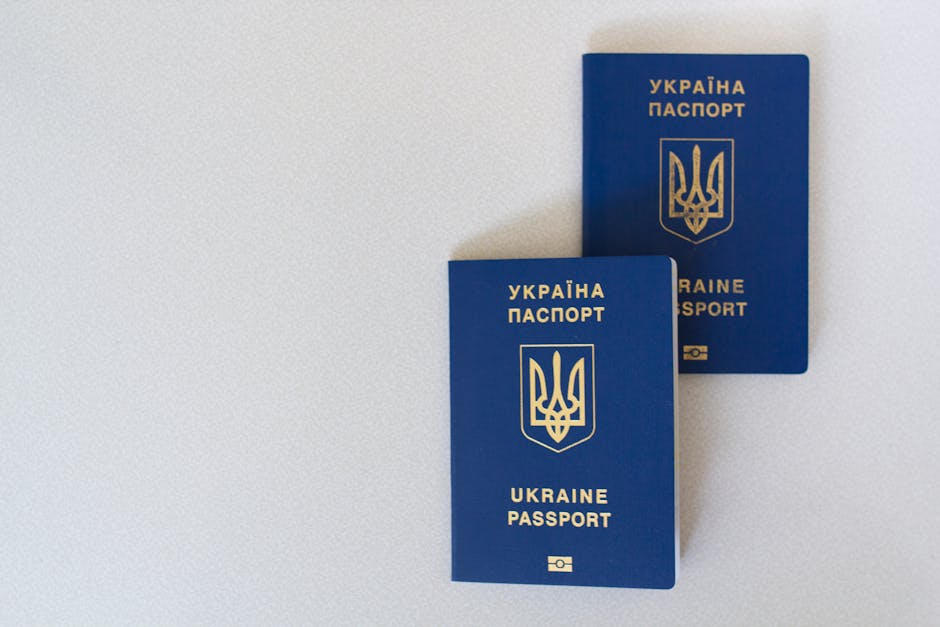
- Valid passport (copy of identity pages and visa) — 1 copy + original
- Employment contract or enrollment confirmation (students) — signed, dated
- Proof of accommodation in Zurich (rental contract) — full address
- Passport‑style photos (35 x 45 mm) — 2 compliant copies
- Cantonal application form (filled out) — downloadable from the Migrationsamt website
- Proof of financial means (bank statements for last 3 months) if requested
- Marriage/birth certificates if applying for family reunification
- Health insurance (confirmation of enrollment or proof you will enroll within 3 months)
Approximate costs and turnaround for common documents (in euros):
- ID photos: €10–20 (city photographer or booth)
- Certified translations (if needed): €40–80 per document
- International criminal record extract: €30–70 depending on country
Local tip: get your ID photos near Zurich HB station (e.g. photo booth in the underground passage, usually open 06:00–22:00) to ensure they meet Swiss specs. Scan every document to PDF and back them up to cloud storage (Google Drive, Dropbox) and a USB stick so you can present them at appointments. Missing even one document is the most common reason for rejection or delay.
Step 2 — Book an appointment with the Einwohnerkontrolle (municipal registration)
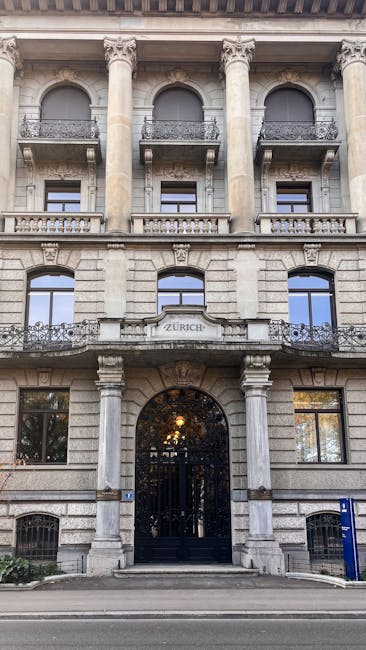
The Einwohnerkontrolle (city residents’ registration office) officially records your address. Without this registration you usually can’t get most permits. Main address to use for the city of Zurich:
Einwohnerkontrolle Stadt Zürich — Stadthaus
Stadthausquai 17, 8001 Zürich
Typical opening hours: Monday–Friday 08:00–12:00 and 13:30–16:00. Some neighborhood offices open later on Tuesdays and Thursdays; check online before you go.
Typical procedure:
- Book an appointment online via the Stadt Zürich website (search: « Einwohnerkontrolle Stadthaus appointment »). Without an appointment you may not be seen.
- Attend your appointment with originals + copies of the documents listed in Step 1.
- Sign the registration form (« Anmeldung »). You will receive a registration certificate (Meldebestätigung).
- This confirmation is often required by the canton for issuing your permit and by banks to open an account.
Fees: usually free or a small administrative fee for registration (0–€15). The key document you’ll get is the proof of address stamped and signed by the office.
Checklist for your Einwohnerkontrolle appointment:
- Original passport + copy
- Signed rental contract with full address
- Completed registration form (if available online)
- Local phone number and email address
Local tip: arrive 10–15 minutes early; the offices are near the old town and easy to reach by tram (stop « Helmhaus » or « Paradeplatz » depending on your route). Keep a digital copy of your Meldebestätigung — some services will accept a PDF while you wait for the official card.
Step 3 — Submit your application to the Canton of Zurich Migrationsamt (formalizing the permit)
After municipal registration, formalize your permit application with the Migrationsamt of the Canton of Zurich. This office reviews residence permit applications. Main address:
Migrationsamt des Kantons Zürich
Stampfenbachstrasse 52, 8006 Zürich
Opening hours: generally Monday–Friday 08:00–12:00 and 13:30–16:30. It’s best to book an appointment via the online form to avoid queues. Appointments for work/study permits are often available within 1–3 weeks depending on season.
Detailed procedure:
- Submit the complete application: cantonal form, employment contract, proof of address (Meldebestätigung), passport, photos, health insurance proof, etc.
- Pay administrative fees: for an initial B permit expect roughly €120–180 (approximate conversion; actual payment in CHF). Students or cross‑border commuters may have different rates.
- Review and verification (background checks, contract verification by the cantonal office). Typical processing time: 2–8 weeks for a complete file.
- Official notification by post or email once a decision is made.
Submission checklist:
- Completed and signed Migrationsamt form
- Proof of registration (Meldebestätigung) from the Einwohnerkontrolle
- Employment contract / admission letter (students)
- Proof of health insurance
- Application fees (bring card or cash in euros converted)
Practical tips: send a digital copy by email if the Migrationsamt allows it, but always bring originals to your appointment. Keep proof of payment and request a file number (Aktenzeichen) to track progress. If you have an employer in Zurich, ask them to provide a support letter — this often speeds up processing.
Step 4 — Take out compliant health insurance (Krankenkasse) and required paperwork
In Switzerland, basic health insurance is mandatory and must be taken out within 3 months of arrival. In Zurich several insurers offer plans: CSS, Helsana, Swica, KPT, etc. Useful public info point:
Comparison and advice: you can visit health information centers at Spitalstrasse 21, 8001 Zürich (general info at the Hausarztcenter) or contact insurers directly. Many enrollments are completed online.
Approximate costs: premiums vary by age and chosen deductible. For a young adult expect:
- Standard monthly premium: €200–400
- High deductible (1,500 CHF): €120–250
- Low deductible (300 CHF): €300–450
Insurance checklist:
- Choose an insurer (Helsana, CSS, Swica, etc.) and plan (basic coverage + optional supplementary if desired)
- Prepare your national insurance number (it will be assigned by the office if you are a new resident)
- Subscribe online or by phone and keep the enrollment confirmation (proof of affiliation)
- Provide this confirmation to the Migrationsamt if requested
Local tip: many insurers have offices near Zurich Hauptbahnhof (main station) — handy if you need to show originals. Compare premiums using Swiss comparison portals (e.g. comparis.ch) and request quotes with and without supplementary coverage. If you have medical bills before enrollment, keep all invoices — reimbursement is often retroactive (frequently from arrival or affiliation date).

Step 5 — Payments, fees, receipts and currency conversion (financial details)
Administrative fees for permits are mainly paid in Swiss francs (CHF). For euro planning, here are indicative amounts (approx. conversion 1 CHF ≈ €1.00 for simplicity). Typical fees:
- Municipal registration fee: €0–15
- Migrationsamt application fee (initial B permit): €120–180
- Plastic permit card issuance: €50–100
- ID photos: €10–20
- Health insurance (monthly): €120–450 depending on deductible
Payment tips:
- Bring a bank card that works abroad (Visa/Mastercard) and some cash in euros (€50–100) for minor expenses: photo booths, transport, copies.
- Always keep official receipts (Zahlungsbestätigung); you will need payment proof for certain steps.
- If you pay online, print confirmation and note the transaction number. Swiss offices may require an IBAN or a BVR (payment slip); ask for details at the counter if needed.
Practical scenarios:
- If your employer covers certain fees, request an official note; this eases reimbursement and avoids hold‑ups.
- For fast currency exchange use bureaux near the main station (Zürich HB) but compare rates — paying in CHF directly is usually best.
Local hack: many counters accept card payments. Still, carry €20–50 in cash for photo booths, quick prints or emergency photocopies if a terminal is down.

Step 6 — Track application progress and respond to follow‑ups
After submission, keep track of your file. The Migrationsamt will assign a file number (Aktenzeichen). How to monitor progress:
- Keep the email or written acknowledgement with your file number.
- Check online if there’s a portal to follow status (some applications have a client area).
- If you receive a request for additional documents, reply within 7–10 days to avoid automatic rejection.
Average waiting times:
- L permit: 1–3 weeks after a complete submission
- B permit: 2–8 weeks
- G permit (cross‑border): 2–6 weeks
Practical advice: note the name and direct number of the official handling your case if you meet in person — it speeds communication. If you change employers, inform the Migrationsamt immediately and provide the new contract: changing jobs without updating your permit can invalidate it.
What to do in case of delay?
- Email the office with your file number and request a status update.
- If a decision is delayed beyond 8–12 weeks and you have an employment contract, ask your employer to send a reminder letter to the Migrationsamt.
- For urgent travel needs, request a provisional attestation from the Migrationsamt (some offices issue temporary documents for justified trips).

Step 7 — Pick up your residence permit card and final validation
When your permit is approved you’ll get a message by post or email saying your plastic residence card is ready. Collection is normally at the Migrationsamt or the Einwohnerkontrolle depending on canton organization. Common pickup address:
Migrationsamt Zürich / Collection point
Stampfenbachstrasse 52, 8006 Zürich
Collection hours: Monday–Friday 08:00–12:00, 13:30–16:30
What to bring to collect the card:
- Original passport
- Receipt / notification email
- Proof of payment of fees (if required)
Time at the counter: 15–30 minutes (ID check, signature, explanation of rights and obligations). You will receive the plastic card (bank‑card format) showing the permit type and validity dates.
Practical tips:
- Check the spelling of your name and your date of birth on the card immediately.
- Keep a digital and physical copy of the card: take a clear photo and store it securely (be mindful of privacy).
- Ask about renewal timelines and what to do in case of address or employment changes.
Local note: some offices require the card to be picked up in person; if you cannot attend, check power of attorney options in advance (signed document plus a copy of the representative’s passport).

Step 8 — After you get the permit: post‑permit steps (bank, insurance, taxes, integration)
Once you have your permit, several follow‑up tasks are essential to settle in Zurich:
- Open a bank account — popular banks: UBS, Credit Suisse, PostFinance. Practical branch: UBS Bank AG, Bahnhofstrasse 45, 8001 Zürich (open Monday–Friday 09:00–16:00). Documents: passport, residence permit, proof of address (Meldebestätigung). Fees: basic current accounts are usually free to €5–10/month depending on the bank.
- Register with social insurance (AHV/AVS) — your employer usually handles this for employees. If you’re self‑employed, contact the cantonal compensation office (Ausgleichskasse). Address: Ausgleichskasse Kanton Zürich, Sihleggstrasse 1, 8032 Zürich.
- Taxes — residents pay cantonal and municipal taxes. Register with the cantonal tax office if needed. Cantonal tax office address: Steueramt des Kantons Zürich, Stadthausquai 17, 8001 Zürich.
- Integration — language courses (German) are highly recommended. Nearby option: Volkshochschule Zürich, Rämistrasse 23, 8001 Zürich; schedules and fees vary (expect €200–600 per term depending on level).
Post‑permit checklist:
- Open a bank account as soon as possible
- Finalize health insurance and send confirmation to the Migrationsamt if requested
- Ensure your employer has registered social contributions
- Book German or municipal integration classes
Local tips: use the ZVV transport app for appointments around the city and keep both paper and digital copies of all documents. Also register at the municipal library (Zürich Zentralbibliothek, Zähringerstrasse 6, 8001 Zürich) — a great resource for language and cultural materials.
Conclusion — Practical summary, mistakes to avoid and final tips
Getting a residence permit in Zurich is a multi‑step process but perfectly manageable if you stay organized: 1) prepare documents, 2) register with the municipality (Einwohnerkontrolle), 3) submit your application to the Migrationsamt, 4) take out health insurance, 5) pay and keep receipts, 6) track your file and reply to requests, 7) collect your permit card, 8) complete post‑permit tasks (bank, taxes, social insurance, language classes). This guide has given you main addresses, typical hours, approximate costs in euros, and practical checklists for each step.
Common mistakes to avoid:
- Delaying municipal registration — without the Meldebestätigung the permit process stalls.
- Forgetting health insurance — it’s mandatory and retroactive for the first months.
- Not keeping receipts and payment proof — these are requested during checks.
- Changing jobs without informing the Migrationsamt — this can invalidate your permit.
Recap of local tips:
- Prefer booking appointments online: Swiss cities and cantons are very digital.
- Always keep digital versions of all documents (scans/PDFs) and a USB stick with originals.
- Use services near Zürich Hauptbahnhof to save time (banks, insurers, photo booths).
- If you have an employer in Zurich, ask for administrative help — they often know the process and can speed things up.
Final advice: stay proactive. Many delays are caused by one missing document or an untranslated paper. If you follow the 8 steps laid out here, show up to appointments with complete documents and respect the stated opening hours, you greatly increase your chances of getting your permit quickly and without stress. Welcome to Zurich — get organized, stay patient and enjoy the quality of life this city offers once your paperwork is sorted.