






Introduction: Emergencies in Zurich — what to know before you need help
Zurich is Switzerland’s largest city and a dense financial and cultural hub: it’s reassuring to know the healthcare system here is well-run, organized and accessible — but it can be quite different from what some visitors expect. This practical guide explains how emergency medical care works in Zurich, which hospitals to contact, which numbers to call and what costs to expect in euros. It’s written for travelers, expats and recent residents who want to be prepared for a stressful situation. You’ll find exact addresses, emergency department hours, information about ambulances, and local tips to save time and avoid unnecessary expenses.
In most life-threatening emergencies (cardiac arrest, severe collapse, major injury), call the Swiss emergency number 144 for an ambulance (the equivalent of the SAMU). For police emergencies dial 117, and for the fire brigade 118. These numbers are free from any landline or mobile phone in Switzerland. If in doubt — chest pain, difficulty breathing, loss of consciousness — always choose 144 rather than trying to get to a hospital on your own.
Zurich’s hospital system combines university public hospitals and private clinics. Emergency departments are generally open 24/7, and staff usually speak English, German and often other languages. Note two practical points: 1) billing in Switzerland is high and done in Swiss francs (CHF); for clarity this guide provides estimates in euros (€) using an indicative rate (1 CHF ≈ 1.03 € — rates vary). 2) health insurance is mandatory for Swiss residents (LAMal) and often essential to avoid heavy bills; tourists should check their travel insurance for emergency coverage in Switzerland.
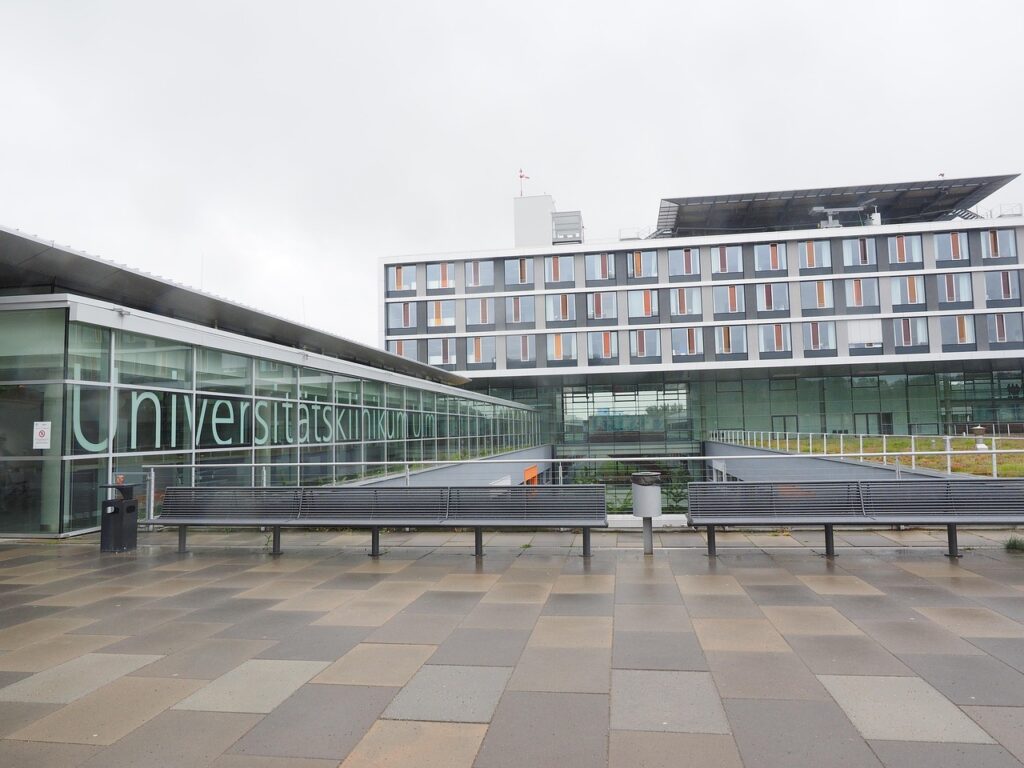
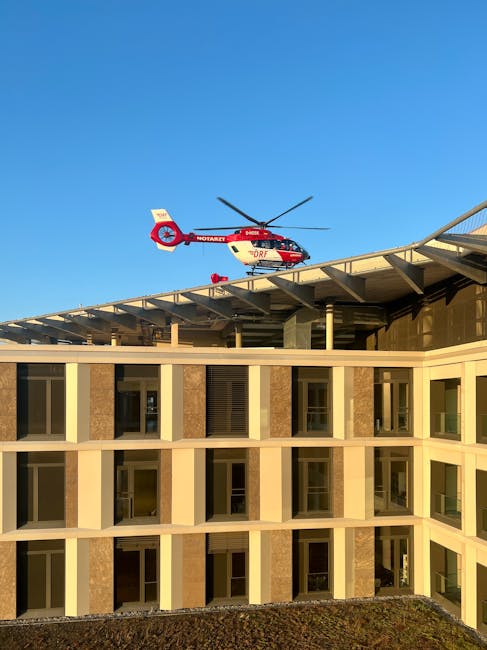
This guide outlines Zurich’s main emergency facilities, their exact addresses, opening hours, common services and price ranges in euros so you can plan ahead. It includes tips for parents (pediatric emergencies), travelers (procedures with foreign insurance), and non-urgent cases (where to go for a quick consultation). The goal is to give you a clear action plan so if the unexpected happens you’ll know exactly where to go, who to call and what to expect.
The main hospitals and emergency services in Zurich
Zurich has several 24/7 emergency services. Here are the main sites to know, with addresses, hours and practical information.
-
UniversitätsSpital Zürich (University Hospital Zurich – USZ) — Notfallzentrum
Address: Rämistrasse 100, 8091 Zürich.
Hours: emergency department open 24 hours a day, 7 days a week.
Description: the largest university hospital in Switzerland and a referral center for trauma, neurosurgery, cardiology and intensive care. The Notfallzentrum (emergency center) is in the main building and has a strict medical triage. Accessible from Zürich HB station via trams 6/10 and buses; allow 10–15 minutes by public transport from the city center.
Indicative costs: emergency admission (triage and initial exam) ≈ €60–120; consultations and tests (x-rays, lab work) can push the total bill to ≈ €400–2,500 depending on severity and interventions. Prices vary widely based on treatment and hospitalization. -
Klinik Hirslanden Zürich — Emergency
Address: Witellikerstrasse 40, 8032 Zürich.
Hours: emergency department open 24/7.
Description: a well-known private clinic specializing in orthopedic surgery, cardiology and general care. Wait times can be shorter than at the university hospital if you have private insurance or pay directly. Multilingual staff, but higher fees. On-site parking and tram access (9/14).
Indicative costs: night or weekend admission ≈ €80–150; surgical procedures and emergency interventions can quickly reach €1,000–6,000 or more. -
Stadtspital Triemli (Triemli Hospital) — Notfallstation
Address: Birmensdorferstrasse 497, 8063 Zürich.
Hours: emergency services open 24/7.
Description: the cantonal hospital for the western district, specializing in trauma and general emergencies. Well served by trams 9 and 14 (Triemli stop). Suited for accident care and fractures; imaging services on site (X-ray, CT, MRI depending on availability).
Indicative costs: triage and initial care ≈ €50–120; simple fracture treatment/immobilization ≈ €200–1,500. -
Kinderspital Zürich (University Children’s Hospital Zürich – Kinderspital Zürich)
Address: Steinwiesstrasse 75, 8032 Zürich (Hottingen/Prilly area).
Hours: pediatric emergency department open 24/7.
Description: pediatric referral center for childhood emergencies, acute childhood illnesses, pediatric trauma and neonatal care. Having the child’s health booklet and vaccination record speeds up triage. Specialized teams handle severe emergencies, procedures and pediatric hospitalizations.
Indicative costs: pediatric emergency consultation ≈ €50–130; tests and hospitalization vary widely depending on care needed. -
Stadtspital Waid — Notfallzentrum
Address: Waidbergstrasse 119, 8037 Zürich.
Hours: emergency services open 24/7.
Description: hospital in the northwest of the city with a full emergency service including imaging and multidisciplinary teams. Accessible via tram 11 and buses. A good option if you’re staying in Oerlikon or Seebach neighborhoods.
Indicative costs: triage ≈ €50–120; common interventions €200–2,000.
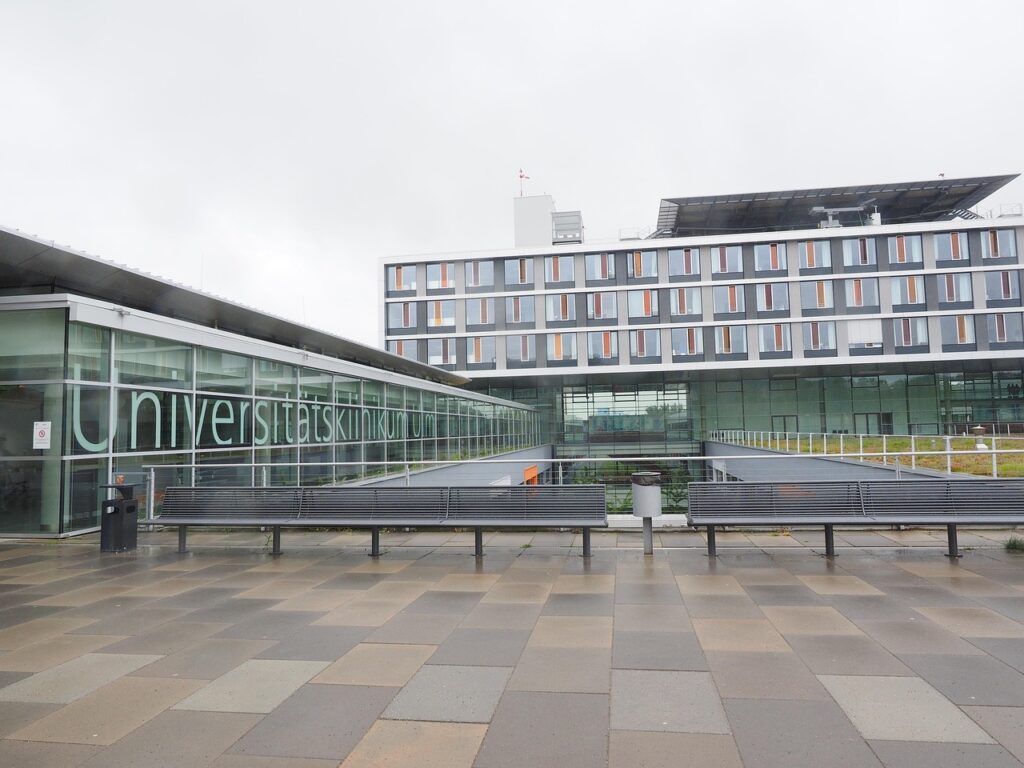
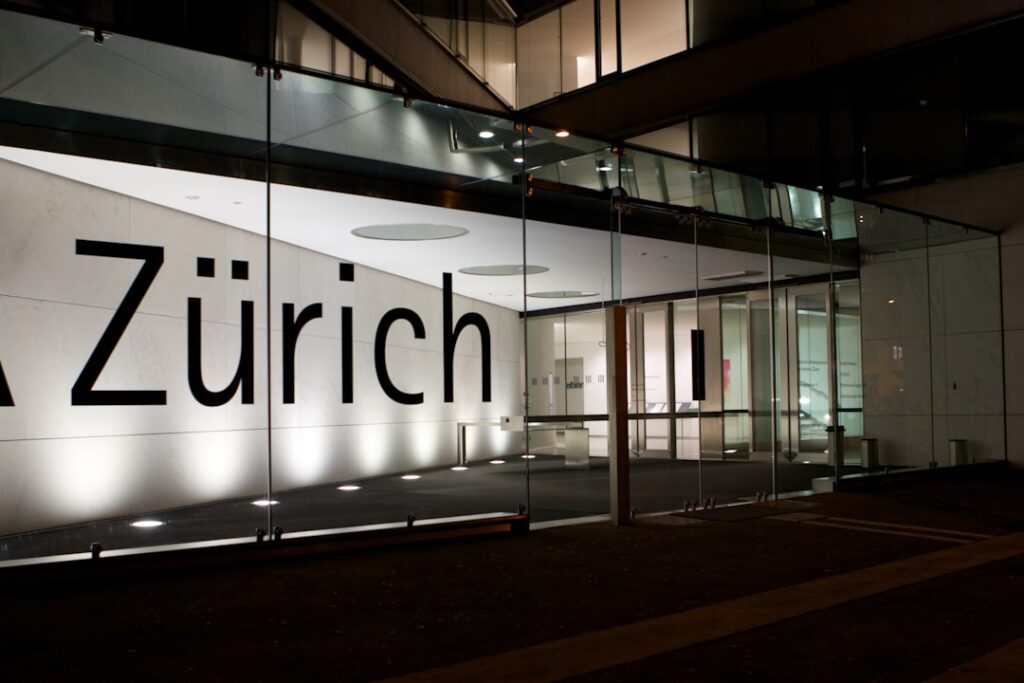
Emergency numbers, ambulance procedures and what to expect when you call
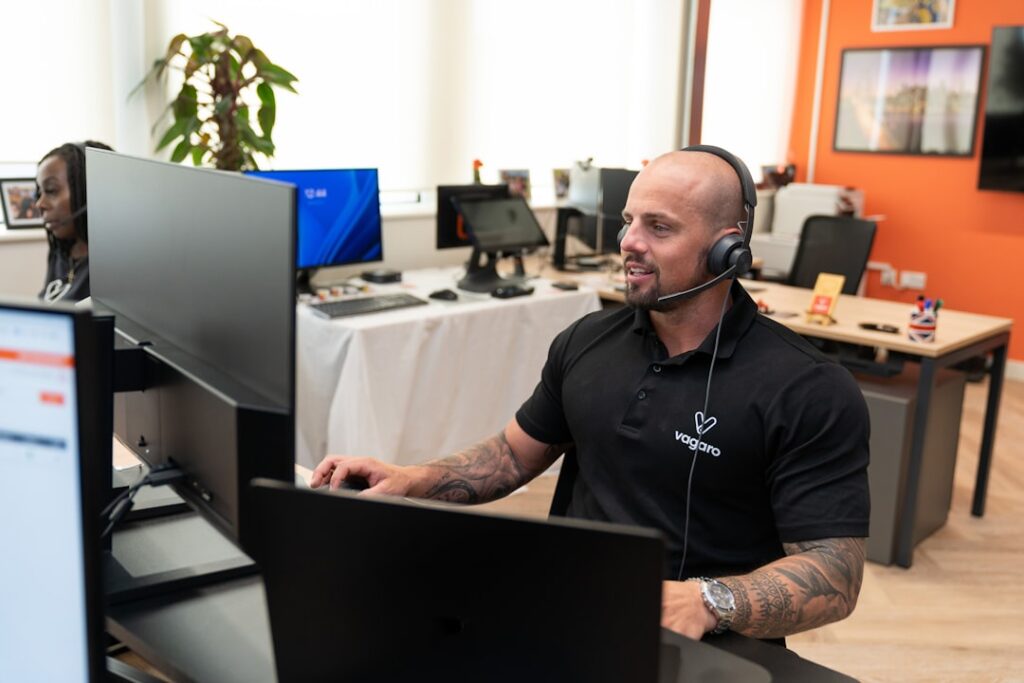
In Switzerland, the national emergency numbers are short and free: 144 for ambulance/medical emergencies, 117 for police, 118 for fire. These lines operate 24/7 and can answer in several languages, including English and German. When you call 144 expect a structured, precise set of questions designed to assess the patient’s condition and severity: exact location and coordinates, number of people involved, consciousness level, breathing, bleeding, chest pain, signs of paralysis, etc.
Recommended procedure:
- Stay calm and speak clearly; if you’re in public, assign someone to guide the responders.
- Give the precise address (street name, number, floor, nearby landmark). Examples: « Rämistrasse 100, main entrance by University Hospital Zurich, » or « Birmensdorferstrasse 497, Triemli Hospital – Notfallstation, main hall. »
- Briefly describe the condition: « unconscious, » « severe chest pain, » « open fracture, » etc. Answer the dispatcher’s questions.
- Follow instructions (first aid steps, CPR if requested), and stay on the line if the dispatcher asks you to.
Arrival times: in an urban area like Zurich an ambulance usually arrives within 6–12 minutes for a major emergency, but this depends on traffic and exact location. Helicopter interventions exist for very severe cases and hard-to-reach areas (providers: Air Zermatt, REGA — note REGA’s rescue number is 1414 and is used for aerial evacuations, not ordinary ambulance service).
Costs and insurance: ambulance interventions are billed in CHF; converted, this often equals €500–1,500 for an uncovered transport. For residents basic health insurance (LAMal) may cover part of it; for visitors coverage depends on your travel insurance. Always carry your insurance card, passport and the contact details of an emergency person.
Non-life-threatening emergencies: practical advice, urgent care centers and pharmacies on duty
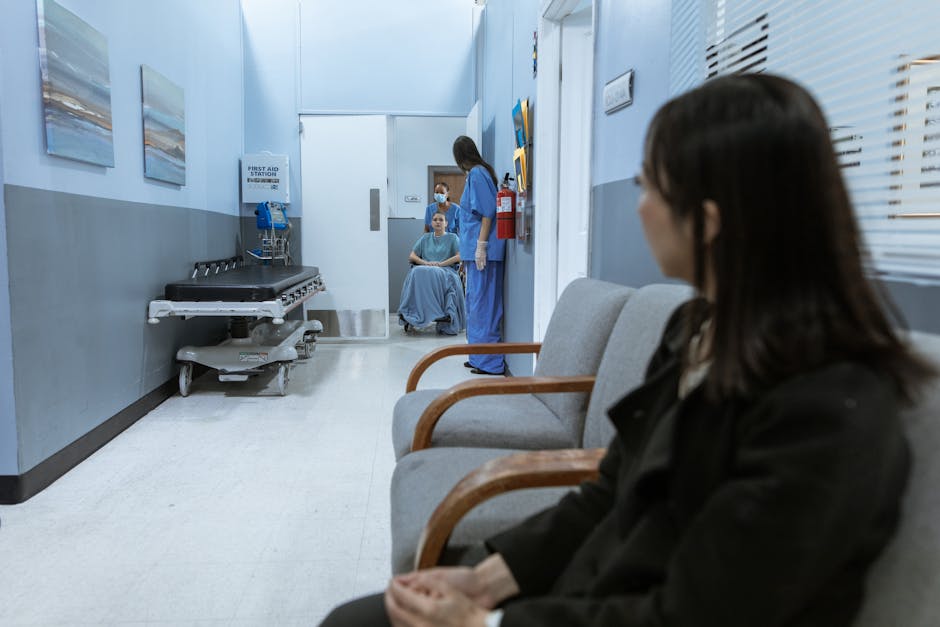
Not every pain or injury requires dialing 144. Zurich offers urgent care centers and practices (Notfallpraxis) for non-life-threatening cases: infections, persistent fevers, minor wounds, sprains without respiratory distress. These centers often accept walk-ins and can reduce cost and waiting time compared to a large hospital.
- Notfallpraxis Hirslanden (address: Witellikerstrasse 40, 8032 Zürich) — hours: open 24/7 for non-life-threatening emergencies; check the reception desk. Indicative cost: consultation ≈ €60–140.
- Free-choice general practitioners and walk-in clinics (Hausarzt / Walk-in) — many practices accept urgent cases during daytime (typical hours: 08:00–18:00 on weekdays). A general practitioner consultation typically costs ≈ €60–120 (varies if extra tests are required).
- Pharmacies on duty (Apotheken-Notdienst) — useful for urgent prescriptions, dressings, fever reducers and quick advice. Main pharmacies around the central station (Zürich HB) often offer 24-hour service or on-call shifts; check online for « Apotheken-Notdienst Zürich » for current locations. Prices: over-the-counter meds ≈ €5–40 depending on product; prescription medicines billed as prescribed.
Practical local tips:
- If you’re a tourist, notify your travel insurer quickly and keep all receipts in CHF/€.
- For children, go to Kinderspital Zürich for any significant trauma or worrying symptoms — don’t wait.
- If your German is limited, say at the start of the 144 call that you speak English (« I speak English »); the dispatcher will connect you to an English-speaking operator.
- Keep your insurance card on you and note a local contact number (hotel, expat friend) to ease communication.
Detailed costs, insurance coverage and tips to reduce expenses
Switzerland is known for high-quality care — and for high costs. Here’s a practical estimate in euros to help you financially prepare for an emergency in Zurich. Remember these figures are indicative ranges; the final bill depends on procedures, tests, length of stay and insurance status.
- Ambulance call (144) and transport: €500–1,500 for a standard urban transport (can be higher for advanced medical intervention or helicopter transport).
- Emergency consultation (triage + initial exam): €50–150.
- Simple X-ray: €50–200; CT scan: €200–800; MRI: €300–1,200 depending on complexity.
- General practitioner consultation (non-emergency): €60–120.
- Hospital overnight stay: €500–2,500 per night (varies hugely between public hospitals and private clinics).
- Surgical procedures: from €1,000 for minor operations to tens of thousands for complex surgeries.
How to limit costs:
- Buy international travel insurance that covers emergency care, repatriation and evacuation; keep both a digital and paper copy of your policy.
- Use urgent care centers (Notfallpraxis) for non-life-threatening problems to avoid hospital emergency charges.
- Ask for an estimated cost before non-urgent procedures and request billing codes (Tarmed in Switzerland) for insurer reimbursement.
- If you’re a resident, check deductibles (Selbstbehalt) and reimbursement rules with your LAMal insurer.

Conclusion: be prepared and act efficiently in a Zurich emergency
Preparing for a medical emergency in Zurich means knowing the essential numbers (144 for ambulance/medical emergencies, 117 for police, 118 for fire), identifying nearby hospitals (UniversitätsSpital Zürich — Rämistrasse 100, Klinik Hirslanden — Witellikerstrasse 40, Stadtspital Triemli — Birmensdorferstrasse 497, Kinderspital Zürich — Steinwiesstrasse 75, Stadtspital Waid — Waidbergstrasse 119), and anticipating costs and insurance needs. Keep your insurance card, ID and, if possible, the number of a local contact (hotel, friend, colleague) with you.
In practice: call 144 for any life-threatening situation; for urgent but non-life-threatening injuries and illnesses use Notfallpraxis and urgent clinics to cut waiting times and bills. For children, go straight to Kinderspital Zürich if you’re worried. If you’re at a private clinic (Hirslanden) expect often faster service but higher costs. Finally, keep all documents and receipts, and contact your insurer as soon as possible — it’s the best way to avoid financial surprises after an emergency.
Zurich has an excellent emergency network: fast ambulances, skilled hospital teams and specialized services. With the right information and a little preparation you can reduce stress and get the care you need quickly and efficiently. Save or print this guide on your phone before your trip, and share it with anyone traveling with you.