





Introduction — Moving to Zurich with Kids: Papers, Permits & Practical Family Tips
Relocating or traveling with children in Zurich is about more than lakeside strolls and wandering the cobbled lanes of the Altstadt: it’s about getting the paperwork in order, organising childcare, and knowing which local services support parents and little ones. This practical guide is aimed at international families, mixed-nationality couples, single parents, and anyone who wants clear, immediately usable information on which documents to prepare, where to file them, how much it will cost, and smart tips to make daily life easier.
Zurich runs like clockwork: procedures are precise, deadlines are strict, and document requirements can be demanding. Before any trip to a municipal desk, gather vital civil-status documents (an international or translated birth certificate), proof of parentage and custody (court orders if applicable), and valid ID for each family member. For families arriving from abroad, residence permits (B, L or C), the Anmeldung (registration of arrival) and enrolling children in health insurance are essential steps. This guide gives exact addresses, typical opening hours, estimated costs in euros and vivid descriptions of the places so you know exactly what to do, when and where.
We’ll also cover daycare registration (Kindertagesstätte / Kita), schooling options (public schools, international schools), family allowances (Familienzulagen), recognition of foreign school records and visas or special permits for non-European parents. You’ll find practical advice on pediatric appointments in Zurich, emergency services for kids, plus local recommendations to keep children entertained and happy (parks, family-friendly museums and easy walks). Prices are shown in euros to help quick comparisons, with approximate CHF references where relevant.
Finally, this guide stresses preventive steps: certified translations, apostilles or legalisation, extra copies, and how to secure a quick appointment at municipal services. It also includes behavioural tips (Swiss punctuality, polite conduct at service counters, how to prepare a clear file to speed up procedures). The guide is structured in detailed sections so you can move forward confidently in Zurich—whether you plan a long-term move or an extended temporary stay.
1) Registration and Residence Permits for Children and Parents
Legally, your arrival in Zurich starts with the Anmeldung — registering with the local municipality. If you plan to live in Zurich for more than a few days, you must declare your arrival at the Einwohnerkontrolle (residents’ registration office) no later than 14 days after arrival. Common address for the city: Einwohnerkontrolle Stadt Zürich, Stadthausquai 17, 8001 Zürich. Typical opening hours are Monday to Friday 08:00–12:00 and 13:30–17:00; some offices close earlier on Thursdays. Book an appointment via the city website or by phone. Administrative fees are usually symbolic — roughly 15–40 EUR (≈ 17–45 CHF) depending on the service.
Documents required for each child:
- Full original birth certificate, preferably multilingual or accompanied by a sworn translation (copies are accepted at filing but the original may be requested).
- Valid passport or ID card.
- Proof of address (rental contract or landlord’s confirmation).
- Proof of health insurance for the child (health insurance is mandatory in Switzerland upon arrival).
- For unmarried parents: proof of custody (paternity declaration, court order or parental agreement).
Residence permits: EU/EFTA citizens typically receive a B permit (residence) or an L permit (short-term) depending on the duration and employment. Non-EU citizens will usually deal with the cantonal migration office (Migrationsamt Kanton Zürich). Useful cantonal address: Migrationsamt Kanton Zürich, Stampfenbachstrasse 33, 8090 Zürich — usual hours Monday to Friday 08:30–11:30 and 13:30–16:00 (appointments required). Permit fees: roughly 100–200 EUR (≈ 110–220 CHF) depending on the permit type and length. Minors are registered together with the head of household on the same permit.
Practical tips:
- Always bring paper copies and digital scans (PDFs). Swiss counters appreciate complete, well-organised files.
- Have birth certificates translated and apostilled if they aren’t in German, French, Italian or English: a sworn translation speeds up acceptance.
- Before you leave your home country, request an international/multilingual birth extract if available — it avoids many translations.
- Non-European parents should check work permit requirements if you plan to work in Switzerland: this affects the permit type you’ll be issued.
2) Civil Documents, Recognition, Custody and Parental Authorisations
Recognition of paternity and parental authorisations are sensitive and often complex administratively in Switzerland. If a parent is absent, divorced, or if you arrive with a foreign custody order, you must register this at the Einwohnerkontrolle and sometimes with the Youth Protection Service (Jugendamt). In Zurich, the Youth Promotion office address is: Jugendförderung Zürich, Zollstrasse 19, 8005 Zürich (or contact the city’s Familienbüro for tailored guidance).
Certificates and translations:
- Full birth certificate: check that parents’ names are included. If a parent’s name is missing, a paternity acknowledgement or court order will be necessary.
- Divorce decrees, custody decisions and parental agreements: bring originals and certified translations. These documents may require legalisation or an apostille depending on the country of origin.
- Wills, powers of attorney and travel authorisations: when a child leaves the country with one parent or a third party, a signed travel consent letter from the other parent (with a copy of their ID) eases border crossings. A commonly requested model is the General Travel Consent for Minors (signed, dated, with ID copies).
For school and health matters, some institutions may request the following:
- Vaccination certificate (or international vaccination book), especially for daycare or kindergarten entry.
- Previous school records translated to place your child in the appropriate class and to assess language level.
- Proof of the right to reside (B, L or C permit) for enrolment in certain subsidised services.
For joint custody or visitation arrangements, it’s helpful to ask the Familienbüro (Family Office) of the city of Zurich for assistance in formalising agreements; useful address: Familienbüro Stadt Zürich, Stadelhoferstrasse 20, 8001 Zürich — usually open 09:00–12:00 and 13:30–16:30. Information services are often free, but consulting a family law attorney will cost money (typically 150–250 EUR per hour on average).
3) Health, Insurance and Pediatric Appointments
Basic health insurance (Lamal) is mandatory in Switzerland. Upon arrival, and usually within three months of settling, every resident (including children) must be enrolled in health insurance. In Zurich there are several providers: SwissCare, Helsana, CSS, Sanitas, etc. Premiums vary widely; expect roughly 40–120 EUR per month for a child (≈ 45–132 CHF) depending on deductible and supplemental cover (indicative prices). Some expats keep temporary international insurance while sorting out Lamal enrolment.
Pediatrics and emergencies:
- Universitäts-Kinderspital Zürich (University Children’s Hospital Zürich) — Steinwiesstrasse 75, 8032 Zürich. Pediatric emergency services are open 24/7 for serious cases. Admissions and specialist consultations are by appointment (book via the website or switchboard): consultation fees vary; specialist outpatient visits about 60–150 EUR.
- Stadtspital Triemli — Witellikerstrasse 40, 8063 Zürich, offers pediatric services and general emergency care.
Vaccinations and check-ups: for daycare (Kindertagesstätte), most facilities require proof of basic vaccinations (measles, mumps, rubella, diphtheria, tetanus, polio). Parents should present an international vaccination book or a translated medical certificate. A first well-child private consultation costs about 80–120 EUR; in public hospitals the price depends on insurance.
Practical tips:
- Open a medical file as soon as you arrive and request digital copies of vaccination records.
- Look for English- or French-speaking pediatric practices if you prefer consultations in a specific language: many pediatricians in Zurich speak English.
- For prescription medicines, keep the original prescription and a translation if the trade name differs.
- Swiss emergency numbers: 112 (general emergency), ambulance 144, police 117. For out-of-hours pharmacies, check local services or notices at neighborhood pharmacies.

4) Daycare, Nurseries, Schools and Childcare Funding
Zurich offers a wide range of options: municipal daycares (Kitas), private nurseries, in-home childcare, kindergarten and international schools. Daycare spaces are in high demand and it’s common to register several months in advance.
Some examples and types of providers:
- Städtische Kindertagesstätten Stadt Zürich (municipal network) — administrative example: Kindertagesstätten Stadt Zürich, Stadthausstrasse 49, 8001 Zürich. Fees are scaled by income and number of children: subsidised monthly fees can range between 300 and 900 EUR (≈ 330–990 CHF).
- Kita Kinderkrippe Hirslanden — Witellikerstrasse 15, 8032 Zürich (example private nursery), private fees typically 1,000–2,500 EUR per month depending on age and hours (≈ 1,100–2,750 CHF).
- International School of Zurich (example international private school) — Reinacherstrasse 36, 4053 Basel (note: several international schools serve the region); annual fees typically range from 15,000 to 40,000 EUR.
For public schools, enrolment goes through the municipal school department. Practical contact: Schul- und Sportdepartement Stadt Zürich, Stadthausstrasse 39, 8001 Zürich. Primary public education is free (material or trip costs may be charged, roughly 20–100 EUR per year). Teaching is generally in German (Alemannic dialect), but welcome classes for recent learners (Deutschförderung) help integration. International and private schools teach in English and other languages and charge tuition.
Financial support and allowances:
- Family allowances (Familienzulagen): in Switzerland these are handled by the cantonal compensation office. In Zurich contact the Ausgleichskasse des Kantons Zürich, Poststrasse 20, 8032 Zürich. Amounts depend on canton and personal situation: a typical estimate is 200–300 EUR per child per month (≈ 220–330 CHF) in some cantons (check your specific case).
- Municipal childcare subsidies: depending on income and residency status, the city may offer reductions — bring payslips, employment contract and residence permit for assessment.
Practical tips:
- Sign up on multiple waiting lists as soon as you know your arrival date: waits for a municipal place can be 3 to 12 months.
- If you need German support, look for bilingual programs or daycares with English-speaking staff.
- Visit at least two facilities before deciding: ask to see the daily program, staff qualifications (early childhood educator diploma), and the safety plan.
5) Daily Life, Family Activities and Practical Everyday Tips
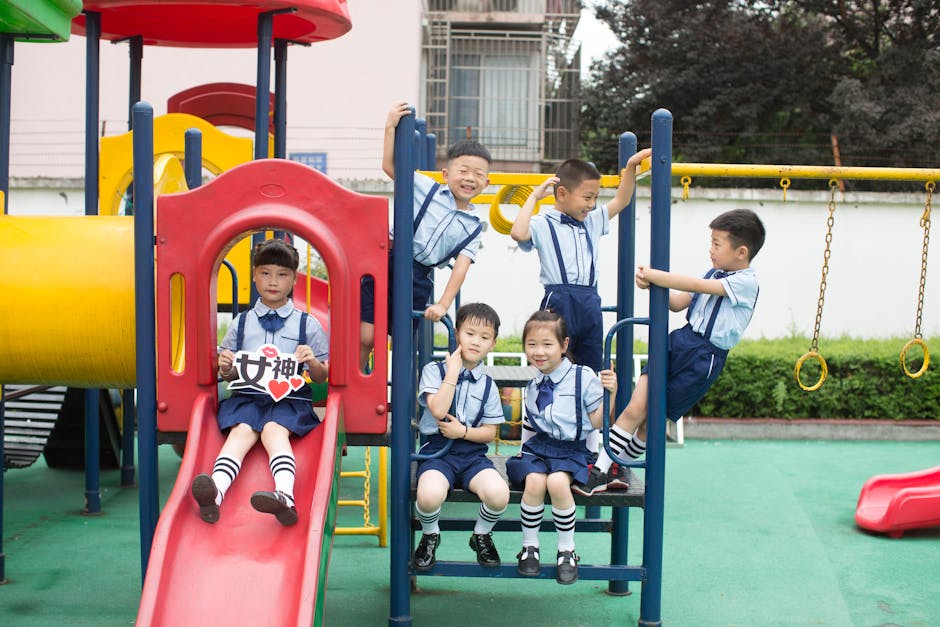
Zurich provides an excellent environment for families: parks, cultural activities, lakeside walks and family-friendly museums. Knowing the best spots and opening times helps you plan enjoyable days that work with young children.
Recommended places:
- Zoo Zürich — Zürichbergstrasse 221, 8044 Zürich. Opening hours typically 09:00–18:00 (seasonal). Approximate prices: adults 20–25 EUR, children 6–12 years 10–15 EUR, under 6 free.
- Children’s Museum at the Swiss National Museum (Kindermuseum Zurich) — Museumstrasse 2, 8001 Zürich. Hours 10:00–17:00; family ticket roughly 15–25 EUR per adult with discounts for children.
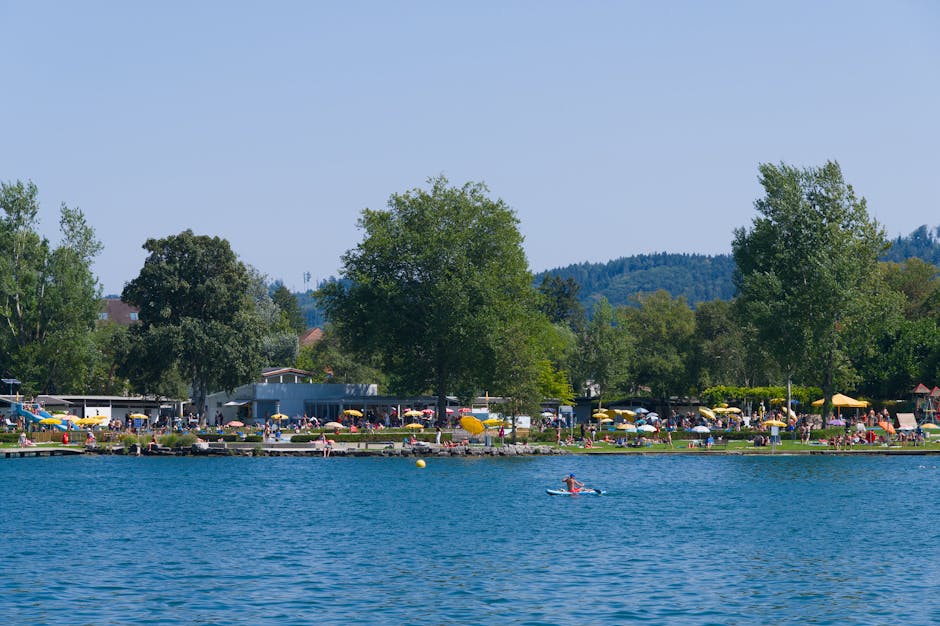
- Bürkliplatz promenade and lake swimming at Strandbad Mythenquai — Mythenquai 10, 8002 Zürich. Entrance to lake baths: 5–12 EUR depending on age and season.
Transport and facilities:
- Public transport (VBZ and SBB): child fares and family passes are available. Short single fares cost about 2.50–3.50 EUR; monthly/zone passes depend on route. Strollers are allowed on trams and regional trains; spaces are usually well indicated.
- Stroller parking and pedestrian zones: the city is very stroller-friendly but watch out for cobbles in the Altstadt and the quay steps.
Local tips:
- Plan activities in the morning to avoid crowds, especially in summer at the lake and in parks.
- Carry a small kids’ emergency kit: spare clothes, plasters, antiseptic and a favourite toy for administrative visits.
- Baby-friendly cafes and restaurants are common; always ask on arrival if a high chair is available.
- Sign up for municipal newsletters and local expat groups (Facebook « Families in Zurich », Meetup « Zurich Mums & Dads ») to swap babysitting contacts, secondhand gear and family events.

Conclusion — Preparing Your Family for Zurich: Plan, Document, Integrate
Moving or staying in Zurich with children takes preparation, but the city offers clear administration, quality healthcare and a rich choice of education and leisure options. The key is preparation: collect civil-status documents (birth certificates, custody decisions), arrange sworn translations and apostilles when needed, and plan ahead for daycare and insurance enrolment. By following the steps outlined — registration at the Einwohnerkontrolle, obtaining the correct residence permit, enrolling in health insurance and securing childcare — you’ll cover the legal and practical bases that make life in Switzerland more stable.
Keep a few golden rules in mind: always keep multiple copies (paper and digital), book appointments instead of showing up unannounced, and respect Swiss punctuality at public offices. For human support, turn to expat networks and municipal services (Familienbüro, Jugendförderung) for free advice and practical direction. And don’t forget to enjoy Zurich’s many local perks: lakeside family walks, a visit to Zoo Zürich (Zürichbergstrasse 221) or an afternoon at the Swiss National Museum (Museumstrasse 2) to balance paperwork with discovery and downtime.
If you’d like a personalised checklist (documents to bring based on your exact situation), a travel consent letter template for a child, or a current list of municipal daycares with waiting times, I can prepare tailored templates and extra addresses based on your canton of arrival, your children’s ages and your nationality. Zurich is best experienced prepared: planning + paperwork + network = successful integration.