





Introduction — Understanding Zurich’s healthcare landscape
Zurich, Switzerland’s largest city, combines top-tier medical services with a complex healthcare system where university hospitals, private clinics, general practitioner offices and specialist networks coexist. For residents, expats or travelers, navigating this administrative and medical maze means knowing the key locations, how insurance works, typical costs and local best practices. This guide aims to clarify these aspects by providing precise addresses, useful opening hours, price ranges in euros and practical tips to help you find a suitable GP or specialist in Zurich.
In Switzerland basic health insurance is mandatory: it covers a large share of care but usually involves a deductible (or “annual excess”) and co-payments that can vary widely. In Zurich the medical offerings are broad and often segmented: family doctors (Hausärzte / Allgemeinärzte) handle regular follow-ups and refer patients to specialists (cardiology, dermatology, orthopedics, etc.). University hospitals (notably Universitätsspital Zürich) and private clinics (such as Klinik Hirslanden) manage complex cases or specialized surgeries. There are also urgent care centers (Notfallpraxen) for non-life-threatening but urgent issues outside normal hours.
This guide gives you practical information: full names of facilities, exact addresses, opening hours, estimated costs in euros and local tips to streamline your procedures. You’ll also find recommendations based on your situation — insured in Switzerland, an EU visitor with a European Health Insurance Card (EHIC/CEAM), or a private traveler. We include visual reference points to help locate places around the city and tips on how to book appointments, handle emergencies and make the most of consultations in English or German.
Whether you need a family doctor for routine care, a dermatologist for a specialist consult, a pediatrician for your children, or a hospital for a scheduled procedure, Zurich covers every specialty. The trick is knowing where to go depending on urgency, language preferences, budget and insurance coverage. This guide is designed to help you make quick, informed choices with concrete, actionable directions.
The network of general practitioners in Zurich: where to find a reliable Hausarzt
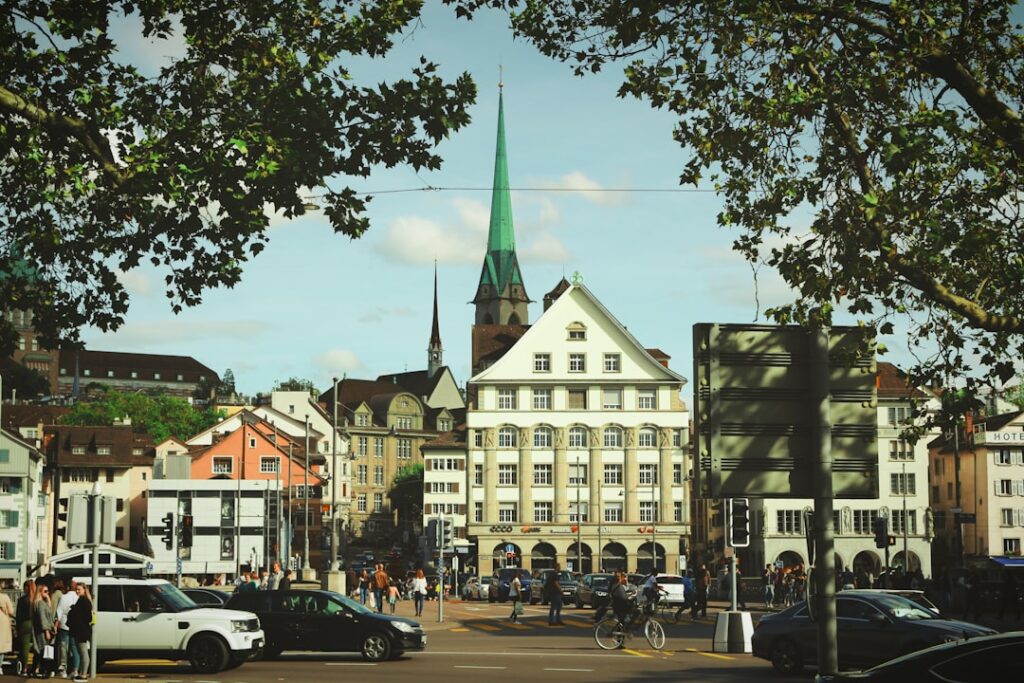
The general practitioner (Hausarzt) is the classic entry point to the Swiss healthcare system. In Zurich you’ll find single-doctor practices, multi-disciplinary medical centers and medical houses (Ärztehaus) offering extended opening hours. A good Hausarzt manages ongoing care, orders tests, refers you to specialists and can provide medical certificates when needed. Here are some addresses and practical tips to choose and contact a GP in Zurich.
- Hausarztpraxis CityMed Zürich
Address: Bahnhofstrasse 25, 8001 Zürich
Opening hours: Monday–Friday 08:00–18:00, Saturday 09:00–12:00
Indicative cost: general consultation €90–€130 (depending on length and insurance), teleconsultation €60–€90.
Description: central practice close to HB station, multilingual (German/English), online booking available. Ideal for newcomers who want English-language care and easy transport access. - Hausarztpraxis Seefeld Dr. med. Silvia Meier
Address: Seefeldstrasse 10, 8008 Zürich
Opening hours: Monday–Friday 08:30–17:30 (closed 12:00–13:30), on-call for emergencies.
Indicative cost: €85–€140; home visits €160–€220.
Description: well-established neighborhood practice in Seefeld, known for light pediatrics and chronic care. Local tip: book at least two weeks ahead for non-urgent appointments. - Ärztezentrum Altstadt – medical center
Address: Niederdorfstrasse 22, 8001 Zürich
Opening hours: Monday–Friday 08:00–19:00, Saturday 09:00–13:00
Indicative cost: €95–€150; blood tests and ECG billed separately (€20–€70).
Description: grouped medical center near the Old Town, convenient for expats and workers who need extended hours.

Practical tips for choosing a Hausarzt:
- Favor proximity for repeat visits: Zurich is compact but congested at peak times.
- Check the language: many doctors speak English, but ask explicitly to avoid misunderstandings.
- Confirm billing procedures: some practices require payment at the time of visit and provide an invoice to submit to your insurer.
- Deductibles and co-payments: in Switzerland you usually pay an annual deductible (CHF 100–2,500) and 10% of remaining costs up to a yearly cap. Convert these amounts into euros to anticipate expenses.
Specialists and private clinics: choosing by condition
For specific issues (cardiology, orthopedics, neurology, dermatology…) you’ll need a specialist. Zurich is home to both university hospitals and renowned private institutions. Your choice often depends on urgency, case complexity, language preference and supplementary insurance (semi-private or private coverage for private clinics). Here’s a selection of specialized facilities with addresses, hours and indicative fees in euros.
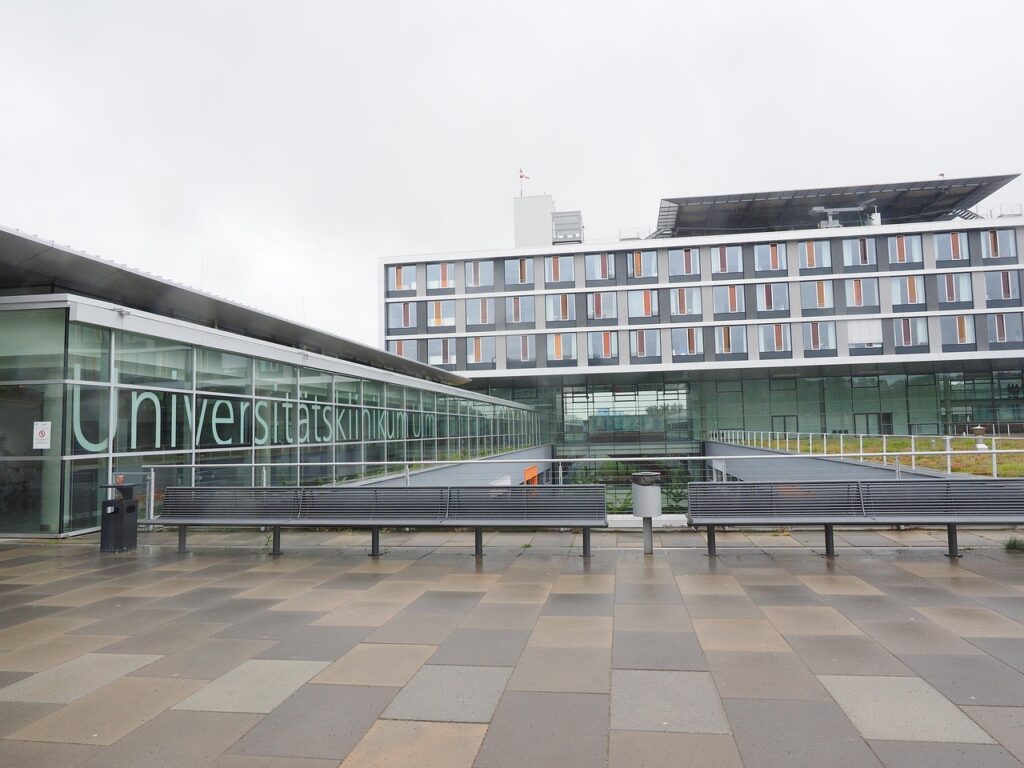
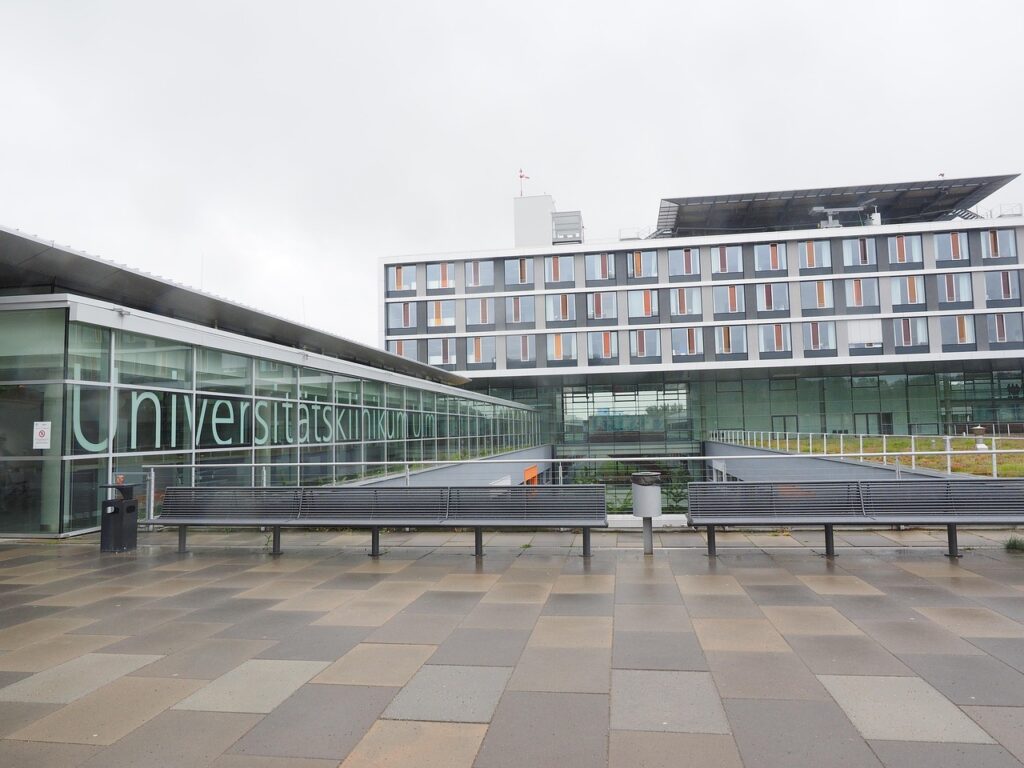
- Universitätsspital Zürich (USZ)
Address: Rämistrasse 100, 8091 Zürich
Emergency: 24/7
Non-urgent specialist consultation: depending on department, €150–€300 for an initial appointment.
Description: the reference university hospital handling complex cases (oncology, neurosurgery, transplantation). Expect waits for non-urgent appointments, sometimes several weeks. The international services team helps coordinate care in English. - Klinik Hirslanden
Address: Witellikerstrasse 40, 8032 Zürich
Office hours: Monday–Friday 08:00–17:00; emergency availability varies by specialty.
Indicative cost: specialist consultation €180–€350; hospitalization and surgeries priced on estimate (several thousand euros depending on procedure).
Description: upscale private clinic known for orthopedic surgery and cardiology. Recommended if you have supplementary insurance that covers private care. - Stadtspital Triemli – Orthopedics Department
Address: Birmensdorferstrasse 497, 8063 Zürich
Opening hours: consultations Monday–Friday 08:00–16:30, orthopedic emergencies 24/7.
Indicative cost: initial consultation €130–€220; arthroscopies and prosthetics priced on estimate.
Description: public hospital with strong trauma and orthopedic expertise. Good value for standard procedures. - Klinik Im Park (Zollikon) – Internal Medicine and Surgery
Address: Seestrasse 220, 8702 Zollikon (near Zurich)
Opening hours: Monday–Friday 08:00–17:00; emergency availability varies by department.
Indicative cost: consultations €170–€300, private-room accommodation subject to extra charges.
Description: very well-kept private clinic on the lakeside; ideal for post-surgery convalescence.
Tips for seeing a specialist in Zurich:
- Get a referral from your Hausarzt first: this is often required for optimal coordination and by insurers for reimbursement.
- Compare waiting times: private clinics often offer faster access at higher cost.
- Coordinate care if you have medical history: bring test results (x-rays, lab reports), preferably in digital form.
- Ask for a written estimate for procedures: clinics can provide a treatment plan and cost estimate to give to your insurer.
Emergencies, walk-in care and pharmacies: what to do when plans go off track
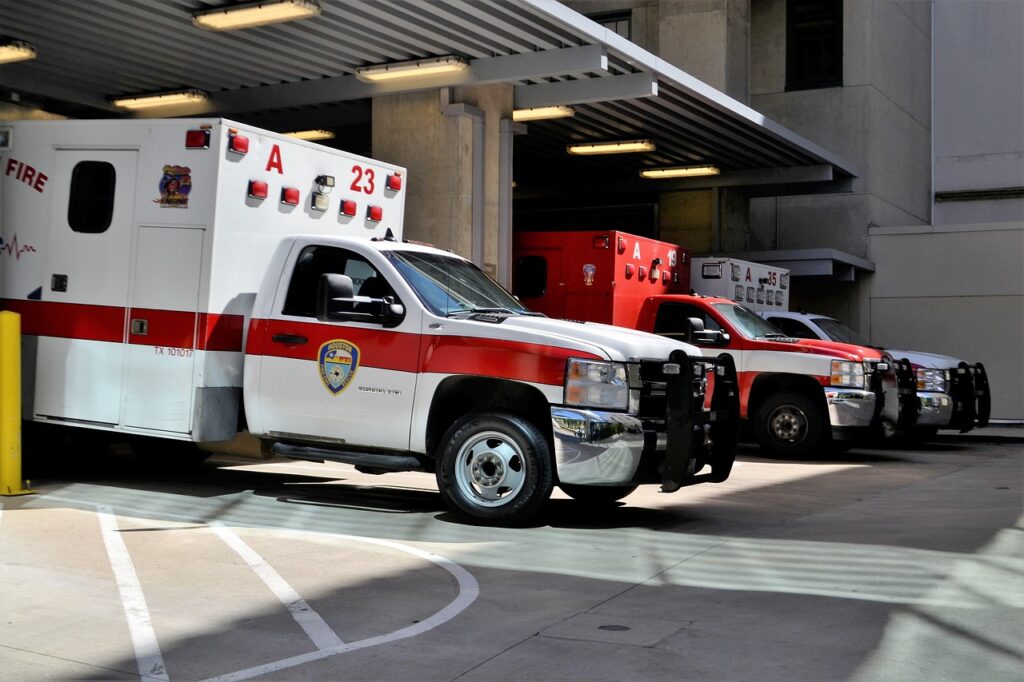
In urgent situations you need to know where to go fast. Zurich has 24/7 hospital emergency departments, walk-in urgent care centers and on-call pharmacies. Depending on severity, options range from calling emergency services, going to a hospital emergency department, or visiting an urgent care center for non-life-threatening but pressing problems (persistent fever, minor injuries, infections). Here are practical places and details.
- Emergency Department, Universitätsspital Zürich
Address: Rämistrasse 100, 8091 Zürich
Hours: 24/7
Indicative cost: initial emergency care €200–€500 (depending on tests); hospitalization and procedures extra.
Description: full emergency service for trauma, neurology and intensive care. Go directly or call the Swiss emergency number 144 if the situation is critical. - Notfallpraxis Stadt Zürich (urgent care center)
Address: Pfingstweidstrasse 83, 8005 Zürich (example urban urgent care center)
Opening hours: Monday–Friday 18:00–23:00, weekends and public holidays 08:00–23:00
Indicative cost: €100–€220 depending on treatment; often cheaper than hospital emergency for non-life-threatening issues.
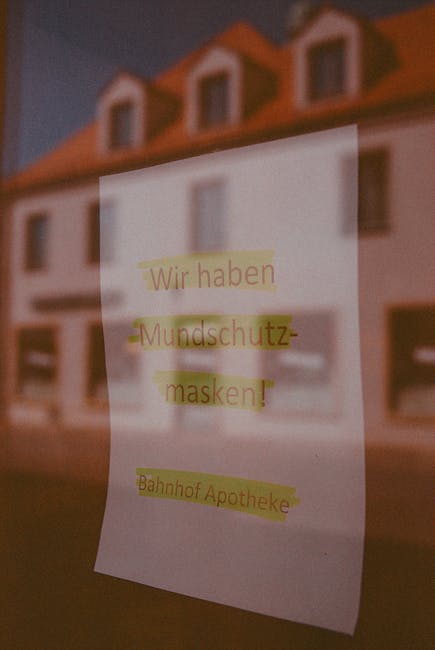
Description: handles minor injuries, infections and acute illnesses that are not life-threatening. Handy for evenings and weekends. - On-call pharmacy — Bahnhof Apotheke
Address: Bahnhofpl. 15, 8001 Zürich (or central pharmacy near the main station)
Hours: shops typically open Monday–Friday 08:00–18:30; on-call pharmacy rota covers some nights and weekends (24h at times).
Indicative cost: over-the-counter meds €5–€50; prescription medicines priced according to market and insurance coverage.
Description: Zurich pharmacies also offer advice for minor ailments and sell first-aid products.
Good practices in an emergency:
- Call 144 for life-threatening emergencies (cardiac arrest, severe trauma, loss of consciousness).
- For non-life-threatening emergencies, prefer a Notfallzentrum/Walk-In or the on-call pharmacy to avoid a large hospital emergency bill.
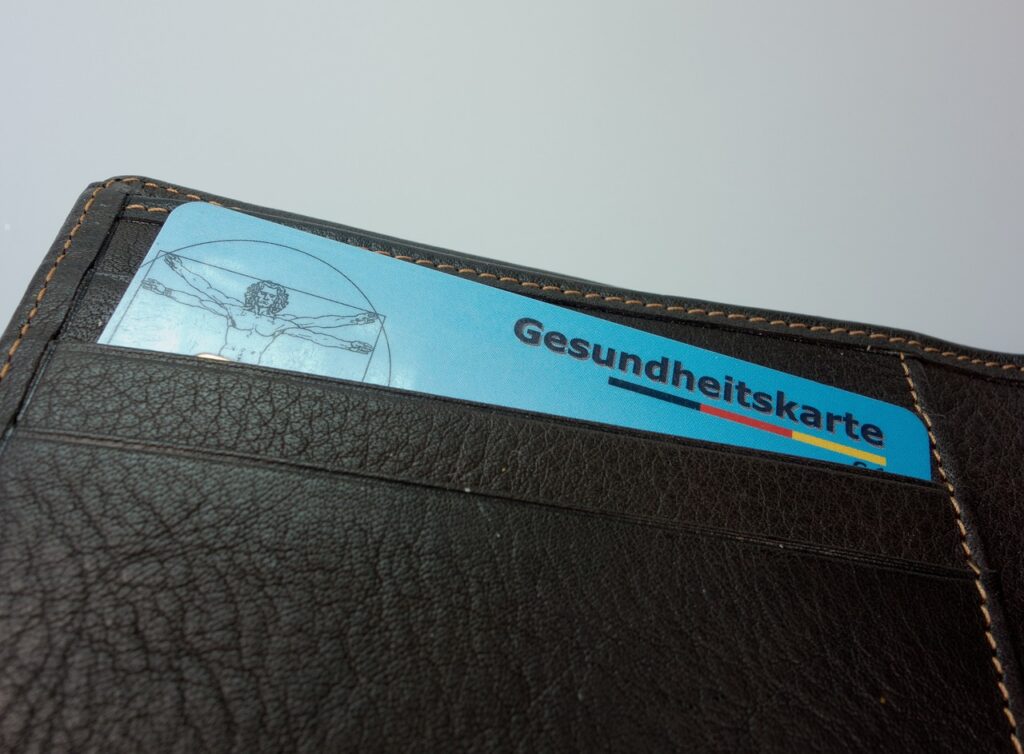
- Always carry your insurance card or your EHIC/CEAM if covered, and keep an electronic copy of your medical documents.
Costs, insurance and administrative steps: what to expect
Anticipating costs and paperwork is essential to avoid surprises. In Switzerland basic health insurance (Lamal / LaMal) is compulsory; it covers most primary care but involves a deductible and co-pay. Many residents also take out supplementary insurance (semi-private or private) to access private clinics and single rooms. Here’s a practical overview of costs and administrative steps for Zurich, with euro conversions to help you get your bearings.
- Annual deductible (examples)
Common options: CHF 300 (~€280–€300), CHF 500 (~€470–€490), CHF 2500 (~€2350–€2500). Higher deductible = lower monthly premium. The deductible is paid first, then insurance covers part of the costs. - Co-payments
After the deductible, you typically pay 10% of medical costs up to an annual cap of CHF 700 (~€660–€720) for adults. Example: a €120 consultation could cost you €12 in co-pay if your deductible has already been met. - Typical costs (approx. in euros)
GP consultation: €80–€150
Specialist consultation: €150–€350
Emergency visit (without hospitalization): €200–€500
Hospital stay (per night, depending on room and clinic): €300–€1500+
Surgical procedures: several thousand euros depending on complexity. - Administrative steps
– Register with a Hausarzt for regular follow-up.
– Keep a copy of your insurance policy and know your deductible and coverage.
– Keep all invoices for reimbursement: most Swiss insurers reimburse after receiving originals or via online portals.
– If you’re an EU visitor: present your EHIC/CEAM for urgent care; note that the EHIC may not cover all services in Switzerland and you may still face charges.
Practical tips to limit costs:
- Choose a deductible that fits your health profile: lower if you see doctors often, higher if you’re healthy and want lower premiums.
- Use telemedicine services for minor symptoms: they’re usually cheaper and efficient for getting a prescription quickly.
- Always request a written estimate for expensive procedures and compare public and private providers.
- Keep a digital medical record: Zurich clinics often accept PDFs and images, which speeds up care.

Conclusion — Navigate for calm, confident care in Zurich
Zurich offers a full range of medical care, from neighborhood general consultations to advanced university centers and private clinics. The key to finding your way is good administrative prep (know your insurance, deductible and keep documents handy), a thoughtful choice of providers (proximity, language, reputation and specialty) and a clear emergency strategy (when to go to A&E vs an urgent care center).
For routine care, find a Hausarzt near your home or workplace and make them your main point of contact: this simplifies follow-ups, referrals to specialists and coordination of tests. For conditions requiring specific expertise, favor the specialist services at Universitätsspital Zürich or reputable private clinics like Klinik Hirslanden, depending on your insurance and preferences for comfort and speed. In emergencies don’t hesitate to call 144; for non-life-threatening issues, urgent care centers and on-call pharmacies are often quicker and more economical.
Finally, a few local golden rules: book appointments in advance where possible, ask whether the doctor speaks English if your German is limited, and always keep invoices for insurer reimbursement. Costs in Switzerland can be high, but knowing your policy and available options in Zurich will help you get high-quality care without nasty surprises. By following the addresses, hours, price estimates and practical tips in this guide, you’ll be able to navigate Zurich’s healthcare system confidently for yourself and your family.