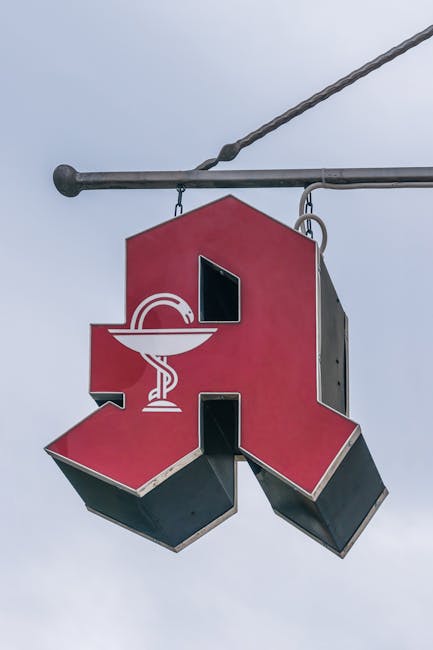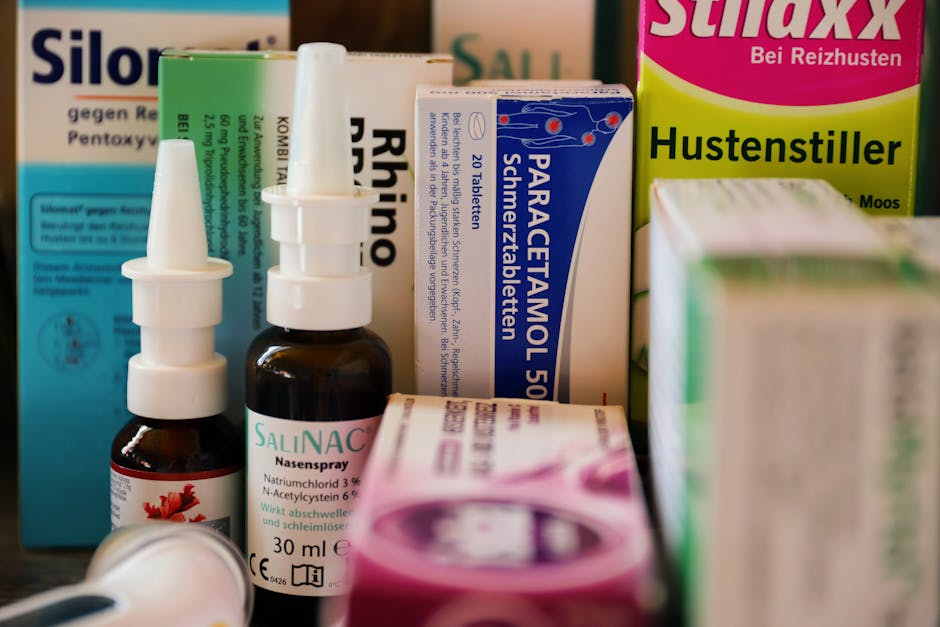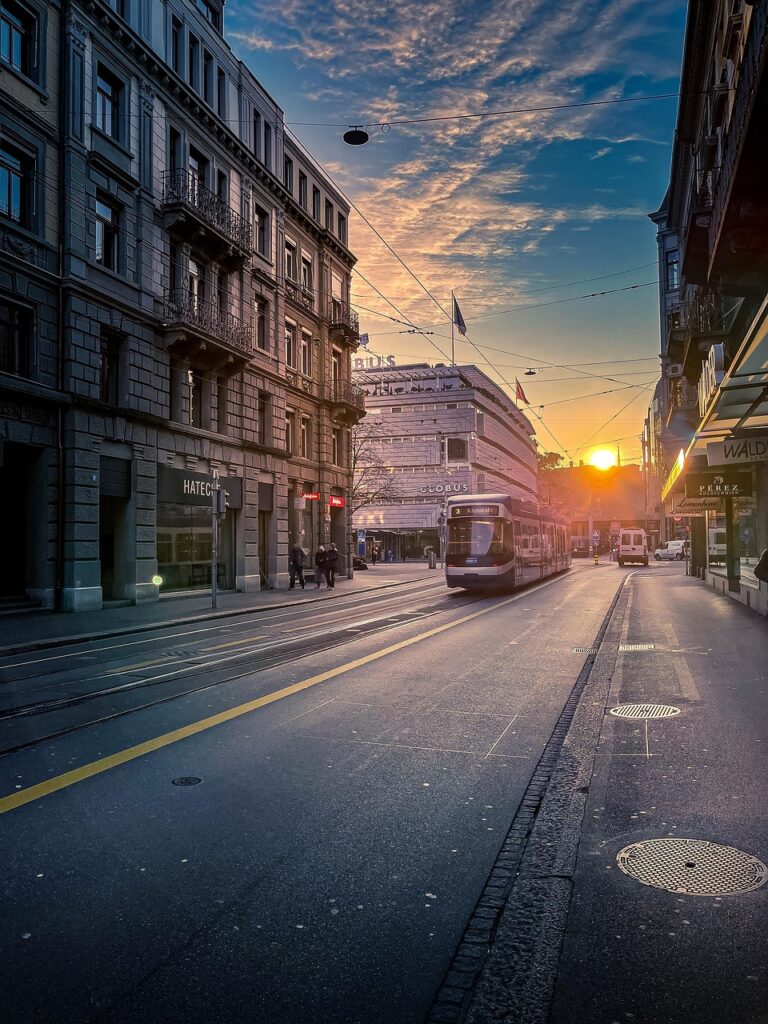





Introduction — Getting emergency medication in Zurich: this practical, hands-on guide
You’re in Zurich and suddenly need a medication: a strong painkiller, an emergency injector (for example for an allergic reaction), or a treatment left at your hotel’s pharmacy? Knowing exactly where to go, how much it will cost and what ID or paperwork to bring can save you stress, long waits and unexpected expenses. This practical step-by-step guide explains how to get emergency medication in Zurich, giving precise addresses, opening hours, indicative prices in euros and concrete route examples. No vague advice — just actions you can take within the next hour.
Zurich is a large Swiss city with an efficient healthcare system but strict rules: many medicines are prescription-only (antibiotics, certain anti-inflammatories, chronic disease treatments). Pharmacies (Apotheken) and emergency care centers (Notfallstation / walk-in clinics) have varied hours. Some pharmacies in the main station (Hauptbahnhof) stay open late, others inside hospitals are open 24/7. This guide lists places open evenings and nights, approximate costs in euros (conversion for reference: 1 CHF ≈ 1.05 EUR; practical ranges provided), and necessary documents (ID, insurance card if available, paper prescription or e-prescription).
You’ll also find checklists for different scenarios (severe pain, serious allergy, need for antibiotics), numbered steps ready to use, exact addresses such as UniversitätsSpital Zürich (Rämistrasse 100), Bahnhof-Apotheke Hauptbahnhof (Bahnhofplatz 15), Hirslanden Klinik (Witellikerstrasse 40), plus practical tips: how to ask for an emergency supply in German/English, approximate costs for urgent consultations in private clinics or hospitals, and how to pay if you don’t have Swiss insurance. Prices are shown in euros for consistency, but remember Switzerland’s currency is the Swiss franc (CHF).
This guide also includes visual markers 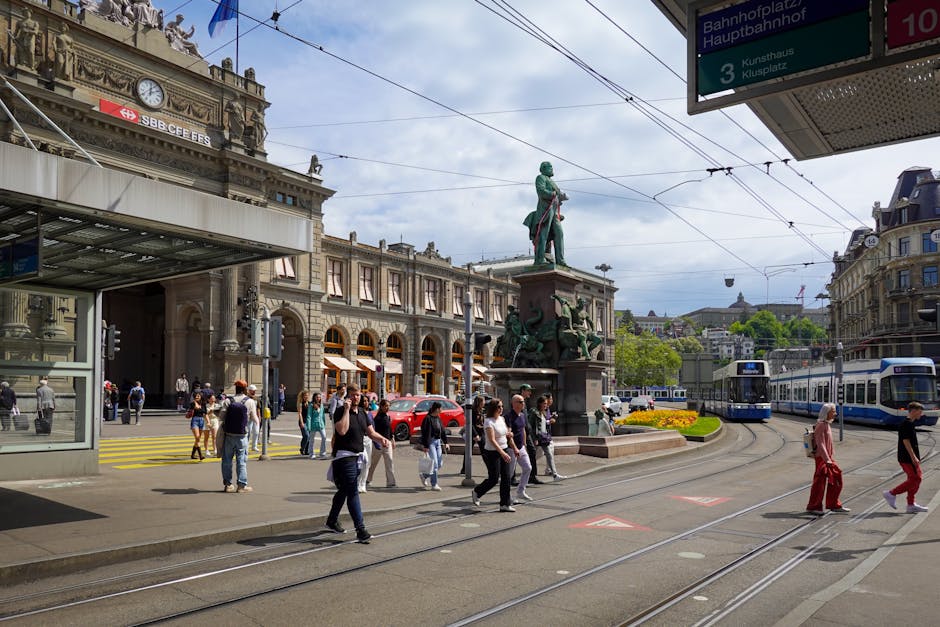 — to help you spot locations quickly — and recommendations for handling logistics (transport, priorities, alternatives). At the end there’s a summary checklist so you can head out right away with less stress. Follow the steps, take photos of your documents, and if it’s a life‑threatening emergency (breathing difficulty, loss of consciousness, major bleeding) call 144 (Swiss emergency services) first. This guide is aimed at urgent but non-life‑threatening situations: severe pain, need to replace a heart medication, acute asthma not requiring resuscitation, etc.
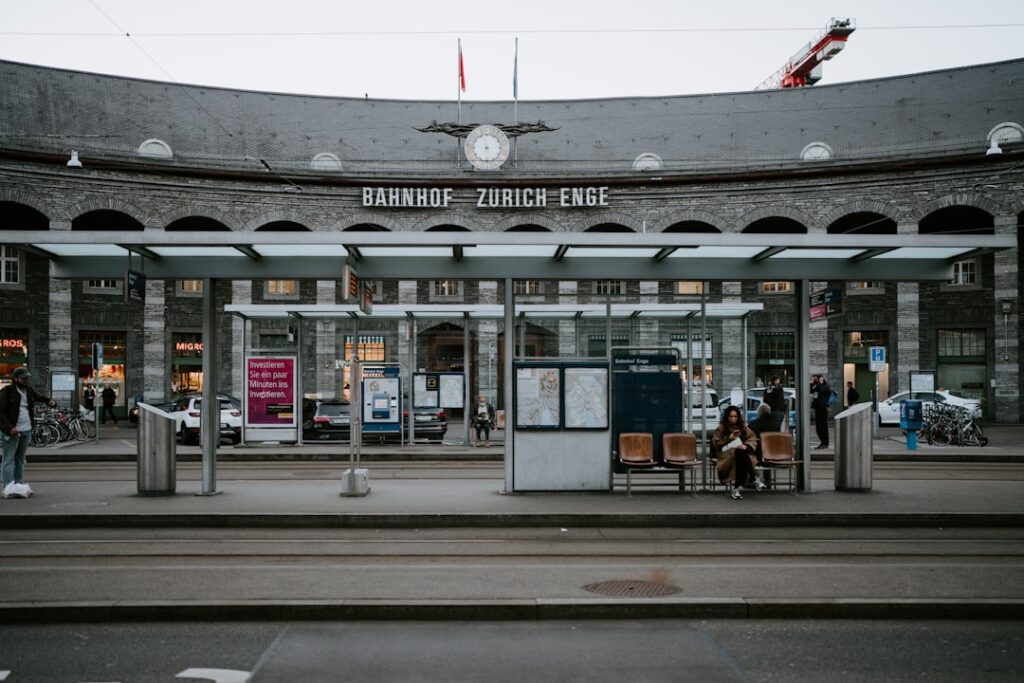
Section 1 — First move: assess the urgency and pick where to go (hospital, urgent care clinic, pharmacy)
Step 1 — Quick assessment: ask yourself three simple questions (30–60 seconds): 1) Is there a life‑threatening issue (difficulty breathing, uncontrolled bleeding, loss of consciousness)? 2) Do you already have a valid prescription (paper or digital) for the needed medication? 3) Is the medicine OTC (over‑the‑counter) or prescription-only (antibiotics, oral corticosteroids, opioids, certain sleeping pills)?
If the answer to question 1 is yes: call the Swiss emergency number 144 immediately (ambulance), or if you’re in a public place ask someone nearby to call. Say “Notfall” (emergency), give your exact location (e.g. Bahnhofplatz 15, Zürich HB), mention language if needed (German/English) and describe the problem.
If the answer to question 1 is no and you have a valid prescription: go straight to the nearest pharmacy. A very useful example: Bahnhof-Apotheke im Hauptbahnhof Zürich (Bahnhofplatz 15, 8001 Zürich) is located inside the main station and is often open late. Typical hours: 07:00–22:00 (check locally). Prices: a tube of paracetamol 500 mg (20 tablets) about €3–5; ibuprofen 400 mg (20 tablets) about €4–6.
If you don’t have a prescription but you think you need a prescription medicine (antibiotic, oral corticosteroid, adrenaline injection): head to a hospital emergency department (Notfallstation) that’s open 24/7. Example: UniversitätsSpital Zürich, Notfallstation, Rämistrasse 100, 8091 Zürich — open reception 24/7. Indicative cost for an emergency consultation at a hospital: €80–250 depending on complexity and if you’re insured outside Switzerland. If an urgent medication is required, the on‑call doctor will write a prescription you can get filled at the hospital pharmacy (often open 24/7) or at a nearby pharmacy.
Evening and night alternatives:
- Hirslanden Klinik Notfall, Witellikerstrasse 40, 8032 Zürich — private emergency service; open 24/7; consultations usually more expensive: €150–400 depending on tests and treatment.
- Walk-in clinics / Notfallpraxis (e.g. Klinik Hirslanden Emergency Center) accept walk‑ins without appointments; ideal if you need urgent delivery of a sedative or an antibiotic for an acute infection after assessment.
Practical tips on deciding:
- If you suspect a severe allergic reaction with facial or tongue swelling or breathing difficulty — call 144 and use an EpiPen if you have one. Buying an EpiPen in an emergency without a prescription is rare and expensive: €300–400.
- If the pain is manageable but worrying (severe toothache, intense migraine), a pharmacy can provide OTC painkillers (paracetamol, ibuprofen, topical gels); for prescription treatments request a quick visit to a Notfallpraxis.
- Keep your documents: ID, international insurance card (EHIC/European Health Insurance Card if applicable), and photos of previous prescriptions on your phone.
Section 2 — Finding and reaching an open pharmacy quickly (central, 24/7 and night pharmacies)
Step 2 — If your issue doesn’t require a hospital visit, locate the nearest open pharmacy. Here’s a selection of pharmacies in Zurich with exact addresses, typical hours and approximate prices for common meds. Hours may change on public holidays; call ahead if you can.
- Bahnhof-Apotheke (Apotheke Hauptbahnhof Zürich), Bahnhofplatz 15, 8001 Zürich — usually open 07:00–22:00, sometimes later during busy periods. Indicative prices: paracetamol 500 mg (20) €3–5, ibuprofen 400 mg (20) €4–6, antiseptic ointment 50 g €6–10.
- TopPharm Apotheke Bellevue, Bellevueplatz 4, 8001 Zürich — hours 08:00–20:00 (extended on some days). Handy if you’re near the lake (Zürichsee).
- Apotheke UniversitätsSpital Zürich (hospital pharmacy), Rämistrasse 100, 8091 Zürich — open 24/7 (internal service for patients and emergencies), prices: hospital medicines can be slightly higher but are available in an emergency. Example: salbutamol inhaler (Ventolin) 100 μg, 2 puffs ≈ €20–35.
- Hirslanden Klinik Pharmacy, Witellikerstrasse 40, 8032 Zürich — open 24/7 for emergency patients and visitors; prices for emergency devices (EpiPen): €300–400.
How to reach a pharmacy quickly:
- Use Google Maps or SBB Mobile to find the fastest route from your location (tram, train, walking). Zurich has a dense tram network: single tickets cost about €3.10–3.80 depending on zones (pay by card or SwissPass). Example: take tram line 4 or 6 to Bellevue for TopPharm Bellevue.
- If you’re close to Zurich HB (main station), walk to Bahnhofplatz 15 where Bahnhof-Apotheke is located. Advantage: wide services and staff who often speak English.
- If you can’t move (debilitating pain), call the pharmacy to ask about emergency delivery: some private pharmacies deliver in the city for an extra €10–20 depending on the hour.
Language tip: to ask for a medicine in English/German, say:
- English: “I need [medicine name], urgently. I have/no prescription. Is it available now?”
- German: “Ich brauche dringend [Medikamentenname]. Habe / habe kein Rezept. Ist es jetzt verfügbar?”
Concrete examples:
- You’re at the station and need a painkiller: go to Bahnhof-Apotheke, Bahnhofplatz 15 (07:00–22:00). Estimated time: 5–10 minutes on foot from the platforms.
- You’ve had an allergic sting with moderate swelling: go to Apotheke UniversitätsSpital Zürich (Rämistrasse 100) — 24/7 service, quick assessment by a doctor in the Notfallstation if needed.
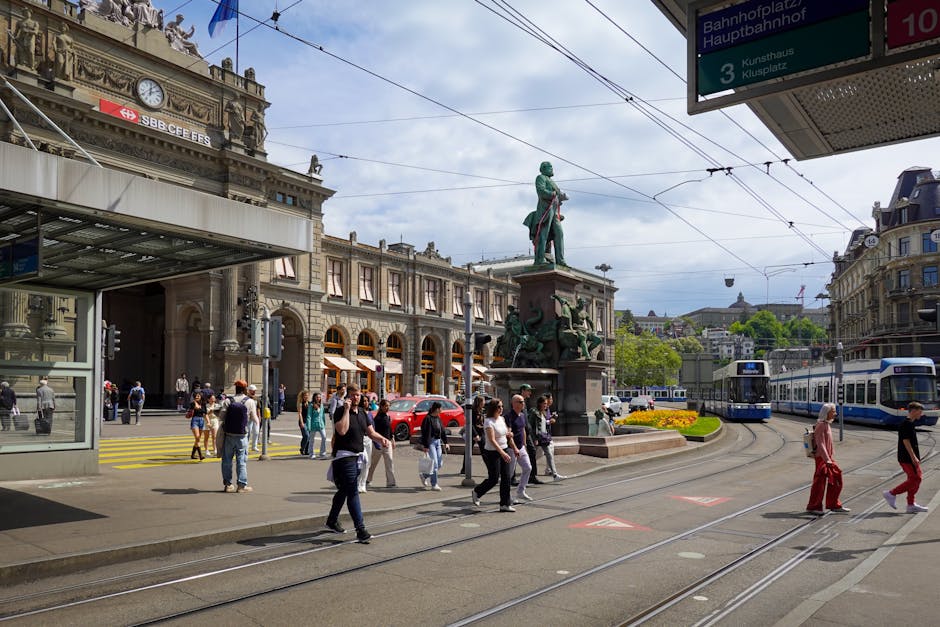
Section 3 — If you need a prescription: where to see a doctor urgently and what it costs
Step 3 — Getting an emergency prescription: if the required medicine is not available OTC you must see a doctor. Here are concrete options, addresses, hours and price ranges in euros for urgent consultations in Zurich.
- UniversitätsSpital Zürich — Notfallstation, Rämistrasse 100, 8091 Zürich — open 24/7. Waiting times vary (30 minutes to 3 hours). Initial consultation: €80–250 depending on complexity, tests and samples. Prescriptions issued immediately if needed. Internal pharmacy open 24/7 for immediate dispensing.
- Klinik Hirslanden — Emergency Center, Witellikerstrasse 40, 8032 Zürich — 24/7, more private-oriented. Consultation: €150–400; usually shorter waiting times but higher cost. Prescriptions issued and medication available on site.
- Notfallpraxis Stadt Zürich (Walk-in Clinic), typical address: Forchstrasse or Löwenstrasse (check current location) — often open 08:00–22:00; consultation: €80–180.
- Pharmacies with on-call service (Apotheke Notdienst): some pharmacies near the city center offer night duty (Notdienst). Search “Apotheke Notdienst Zürich” online or call the local information number 181 (information services) — cost for pharmaceutical advice and OTC supply: €10–30.
Practical procedure if you need to consult:
- Call first if possible: “Hello, I need an urgent appointment / Are you open for walk‑ins?” — Hirslanden and USZ accept walk‑ins, but calling can reduce wait time.
- Bring ID (passport or identity card) and insurance card (EHIC or private). Without Swiss insurance you’ll pay on site; most places accept credit cards (Visa/Mastercard) and cash in euros or CHF.
- Explain symptoms clearly, list known allergies and current medications. Request an electronic prescription or one sent by email if you’re leaving soon.
- After the consultation, get your medication immediately from the internal pharmacy or the nearest pharmacy (hospitals usually supply urgent prescriptions).
Concrete example: you have a severe urinary infection and need antibiotics
- Go to UniversitätsSpital Zürich Notfallstation (Rämistrasse 100). Present your symptoms and after exam the doctor prescribes antibiotics (e.g. 5–10 days). Cost estimate: consultation €120, urine test €20–50, antibiotic €10–30.
- Pick up the medication at the hospital pharmacy for immediate use — payment in euros is often possible but CHF may be requested.
Section 4 — Special emergency supplies: EpiPen, inhalers, insulin, strong painkillers
Step 4 — Certain life‑saving products (EpiPen, rescue inhalers, insulin, acute anticoagulants, opioids) are subject to special rules. Be prepared to pay high prices and to provide supporting documentation.
EpiPen (adrenaline auto‑injector): usually dispensed only with a prescription. It’s rare to get one over the counter. In case of a threatening allergic reaction go straight to the Notfallstation (USZ, Rämistrasse 100) or call 144. Indicative price: €300–400 per injector. If you have a prescription but are traveling, some pharmacies may supply an EpiPen after a phone consultation with a doctor (small consultation fee + product cost).
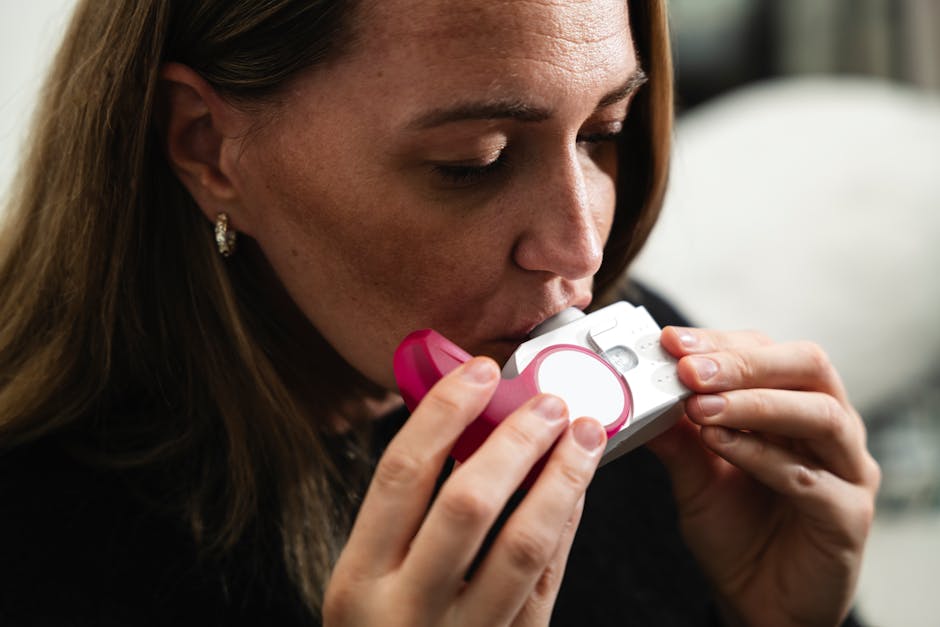
Inhalers (salbutamol / Ventolin): common for asthma patients. Rescue inhalers may be available at the pharmacy with a prescription or the on‑call doctor can prescribe one during an episode. Indicative price: €20–35 for an inhaler. Hospital dispensing is immediate.
Insulin and diabetic supplies: if you run out, the hospital pharmacy (USZ) or a private clinic can supply an emergency quantity after a medical consultation. Price varies by insulin type: €40–150 for an insulin pen; immediate supply usually possible at hospitals.
Strong painkillers (opioids): dispensed only with a prescription. For acute pain after an injury the emergency service may administer an injection (morphine, fentanyl) and prescribe oral analgesics for discharge. Costs: hospital consultation and treatment €80–250; medicines €10–40.
Practical tips:
- If you rely on essential medications, always keep a copy of your prescription in your email and carry a list of drugs in German or English (brand name + active ingredient).
- If you have a chronic condition (diabetes, asthma, heart disease) and are staying in Zurich, identify the nearest pharmacy beforehand and note generic equivalents available.
- If you buy an expensive product (EpiPen), ask for a detailed invoice for travel insurance reimbursement.
Section 5 — Payment, insurance and administrative steps on site
Step 5 — Paying and insurance: what you need to know if you don’t have Swiss insurance. In Switzerland many services require immediate payment if you’re only covered by international insurance. Here are concrete actions to take and estimated costs.
Before the visit:
- Check if you have the European Health Insurance Card (EHIC): it’s accepted and makes reimbursement easier in public facilities (UniversitätsSpital Zürich). Bring proof of travel insurance as well.
- If you have no valid Swiss insurance, prepare a credit card because hospitals commonly ask for a deposit or immediate payment. Typical deposit at a hospital: €100–500 depending on the expected severity.
Payment on site:
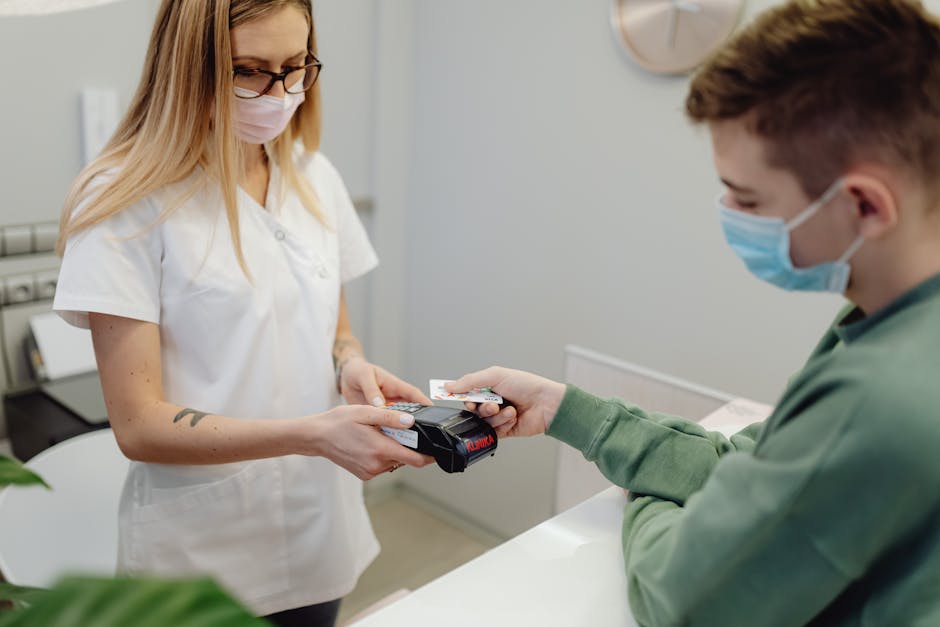
- Pharmacies: accept bank cards (Visa, Mastercard), sometimes contactless; some accept cash in euros but having CHF or a card is safer.
- Hospitals/clinics: accept card payments; request a detailed invoice (« detaillierte Rechnung ») for reimbursement. Example costs: general consultation €80–250, medicines €10–50, tests (bloodwork, x‑ray) €40–300 depending on complexity.
After the visit:
- Ask for a full invoice with descriptions in English/German including your AVS/ID number if available.
- Send the invoice to your travel insurance or regular insurer; keep payment receipts and original prescriptions for proof.
- If you paid in euros, the CHF/EUR conversion may differ slightly; keep a record of the exchange rate used.
Concrete budget example for a minor medication emergency:
- Walk‑in clinic consultation: €90
- Minor urine/baseline test: €25
- Oral antibiotic (7 days): €18
- Approximate total: €133 (excluding additional exams)
Conclusion — Practical recap and printable checklist
This detailed guide walked you through how to get emergency medication in Zurich step by step: assess urgency, choose between a pharmacy, walk‑in clinic or hospital emergency department, locate an open pharmacy (Bahnhof‑Apotheke, TopPharm Bellevue, USZ pharmacy or Hirslanden), obtain an urgent prescription, handle purchases of critical items (EpiPen, inhalers, insulin), and prepare payment and insurance steps. Practical info includes exact addresses (Bahnhofplatz 15; Rämistrasse 100; Witellikerstrasse 40), typical opening hours and price ranges in euros so you can act fast and without surprises.
Before you go: print or save this guide on your phone. In an emergency, follow the numbered steps below. And above all: if it’s life‑threatening, dial 144 — don’t waste time going to a pharmacy if someone’s life is at risk.
Final printable checklist (copy‑paste):
- Identity document (passport / ID card) — YES / NO
- Insurance card (EHIC or travel insurance) — YES / NO
- Photo of previous prescription (if available) — YES / NO
- List of current medications + allergies — YES / NO
- Important numbers: 144 (ambulance), +41 44 254 00 00 (UniversitätsSpital Zürich central), Hirslanden Klinik +41 44 387 11 11 — noted — YES / NO
- Cash / bank card (allow €150–500 for consultation and emergency meds) — YES / NO
- Photo of payment receipt / request an invoice — YES / NO
Quick numbered steps (ultra‑fast version to act in 10–30 minutes):
- If life is threatened: call 144 and follow instructions.
- Check if the medicine is OTC; if yes, go to Bahnhof‑Apotheke (Bahnhofplatz 15, 8001 Zürich) — hours 07:00–22:00.
- If it’s prescription‑only: head to UniversitätsSpital Zürich Notfallstation (Rämistrasse 100) — open 24/7.
- Show ID and insurance; ask for an electronic prescription if you’re leaving soon.
- Pick up the medicine at the hospital pharmacy or the nearest pharmacy; keep the invoice.
Final local tips:
- Zurich locals value clarity: be concise and factual with medical staff.
- Most caregivers speak English; say if you prefer German (« Ich spreche Deutsch ») or English (« English please »).
- If you’re staying in a hotel, ask reception for the number of a duty pharmacy or a night medical service: many hotels have arrangements with local medical practices for emergencies.