






Introduction — Why you need the right first-aid kit for Zurich and how this guide helps
Heading to Zurich for a culture-filled weekend, a business trip, a day hike in the nearby Alps, or a longer stay? Zurich is safe, clean and well-equipped, but even the most careful traveler can end up with a cut, a blister, motion sickness or an unexpected allergic reaction. Packing a first-aid kit tailored to Zurich — accounting for changeable weather, city activities, short mountain outings, local rules and pharmacy access — will save you stress, needless queuing and surprise expenses.
This practical step-by-step guide gives you a Zurich-tested kit: what to bring, how to top it up once you arrive, exactly where to find each item (addresses, opening hours and indicative prices in euros), and what to do if something goes wrong. No vague advice: checklists, numbered steps, pharmacy and outdoor store addresses, supermarkets, local tips (language, emergency services, insurance receipts) and real-life usage examples. You can prepare your kit at home and then complete or replace items in Zurich without losing time.
The guide is designed for different profiles: time-pressed business travelers (compact carry-on kit), families (more complete version), day-hikers based in Zurich (cold protection, sport bandages) and expatriates staying for months (insurance reimbursement, on-call pharmacies). Prices are listed in euros to make quick comparisons easier; the local currency is the Swiss franc (CHF) and amounts may vary with exchange rates and store promotions. Opening hours reflect common local practices: many Zurich pharmacies and shops open early on weekdays and close earlier on Sundays, with some exceptions for on-call pharmacies near the main station.
Finally, you’ll find concrete emergency advice — phone numbers, what to do at a pharmacy, how to ask for medical advice in English or German, and where to get an X-ray or stitches if needed. If you want a printable version of the checklist or a personalized kit for a specific profile (kids, diabetes, allergies), tell me at the end and I’ll provide a ready-to-print checklist.

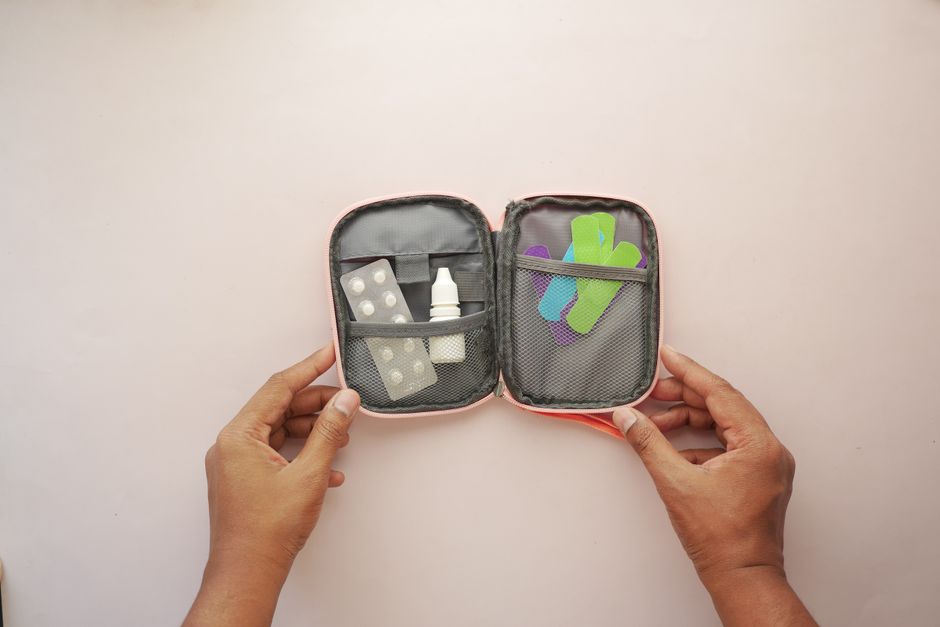
1) Essential contents for Zurich — detailed checklist and quantities
Here’s the most practical checklist for Zurich, arranged by category. Pack a “carry-on kit” for city time (compact, airport security rules) and a “full kit” for families or day hikes (more items, can be restocked in Zurich). Quantities are for 1–2 people; scale up for families.
- Basic medical / Dressings
- Assorted adhesive bandages (plaster strips): 10–15 pieces
- Hydrocolloid blister dressings: 4–6 pieces
- Sterile compresses 7.5 x 7.5 cm: 6 pieces
- Triangular bandage and hypoallergenic tape: 1 of each
- Medical adhesive tape (micropore): 1 roll
- Antiseptics and wound care
- Individual antiseptic wipes: 10 units
- Antiseptic solution (povidone-iodine or chlorhexidine) 50 ml bottle
- Antibacterial cream, 15 g tube
- Basic medicines (in labeled zip bags)
- Paracetamol (acetaminophen) 500 mg: 10 tablets
- Ibuprofen 400 mg: 6 tablets (anti-inflammatory)
- Antihistamine (loratadine 10 mg or cetirizine): 7 tablets
- Antacid / stomach protection (omeprazole 20 mg or antacid): 5 units
- Motion sickness medication (dimenhydrinate or meclizine): 6 tablets
- Gear for more serious injuries
- Emergency foil survival blanket
- Disposable nitrile gloves: 4 pairs
- Metal nail clippers or small scissors
- Digital thermometer
- Zurich / mountain-specific items
- Compact SPF 50 sunscreen (30 ml)
- SPF lip balm
- Blister gel for hikers and heavy-duty blister dressings
- Oral rehydration sachets (2 sachets)
- Documents and practical items
- List of personal medications (name, dose, reason)
- European Health Insurance Card / private insurance card
- Small notebook + pen, mini headlamp
Packing tip: keep medicines in labeled bags in English/German/French. For example: « Pain relief / Analgesic — Paracetamol 500 mg ». That makes pharmacy conversations easier. For carry-on travel, respect the 100 ml rule for liquids (50 ml antiseptic bottle is fine). Indicative cost to assemble this kit at home: around €25–40 for the carry-on version, €60–90 for the full kit (brands and quantities vary). These estimates are based on average European pharmacy prices; Zurich prices can be slightly higher.
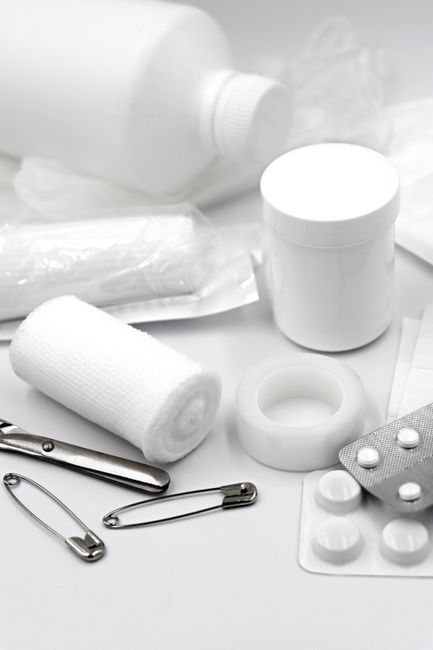
2) Where to top up or buy in Zurich — exact addresses, hours and prices in euros
Zurich has several places where you can complete your kit: large pharmacies near the station, pharmacy chains in the city center, supermarkets for non-medical items and outdoor shops for technical gear. Here’s a tested selection with addresses, typical opening hours and approximate prices in euros.
- Main station pharmacy (Zürich HB) — Bahnhof Apotheke Zürich
Address: Bahnhofplatz 15, 8001 Zürich. Hours: open 07:00–20:00 Monday–Saturday, 10:00–18:00 Sunday (on-call pharmacy rotation varies). Convenient if you arrive by train. Indicative prices: paracetamol 500 mg (10 tablets) ≈ €3.50; antiseptic 50 ml ≈ €6–8; hydrocolloid blister dressings (4 pcs) ≈ €6–9.
- Amavita Apotheke Zürich Bahnhofstrasse
Address: Bahnhofstrasse 70, 8001 Zürich. Hours: 08:30–19:00 weekdays, 09:00–16:00 Saturday, closed Sunday (check public holidays). Amavita often offers pre-packed travel first-aid kits. Prices: ready travel kit ≈ €12–18; antibacterial cream 15 g ≈ €4–6.
- Sun Store / Migros Pharmacy (inside Migros)
Typical address: Migros Bahnhofstrasse 50, 8001 Zürich. Hours: Migros usually 07:00–21:00, Sunday 09:00–18:00 depending on location. You’ll find sunscreen, bandages, disposable gloves, survival blankets here. Prices: SPF50 sunscreen (30 ml) ≈ €6–10; assorted bandages ≈ €3–5.
- Outdoor store for hikers — Transa Backpacking AG
Address: Josefstrasse 134, 8005 Zürich. Hours: 09:30–18:30 Mon–Fri, 10:00–17:00 Sat, closed Sun. They stock sports bandages, heavy-duty tapes, blister remedies and small repair kits. Prices: specialist sport bandage ≈ €6–12; blister gel ≈ €8–12; mini steri-strip kit ≈ €5–9.
- On-call pharmacy and emergencies — Apotheke Bellevue (possible night service)
Address: Bellevueplatz 7, 8001 Zürich. Hours: Bellevue pharmacy can be open late and sometimes on Sundays (pharmacies rotate 24/7 services). If you need a prescription drug or advice outside normal hours, this is a good starting point. Prices: over-the-counter advice at the counter is free; prescription medicines depend on type (≈ €30–60 or more).
Practical notes:
- Hours listed are typical — always check Google Maps or the pharmacy’s app for stock and on-call rotations.
- In Switzerland some medicines (certain anti-inflammatories or antihistamines) are OTC but cost more than in other countries; choose generics to save money.
- Migros and Coop supermarkets sell non-pharmaceutical items (sunscreen, tape, gloves) at competitive prices; for antibacterial solutions and medicines, go to a pharmacy.
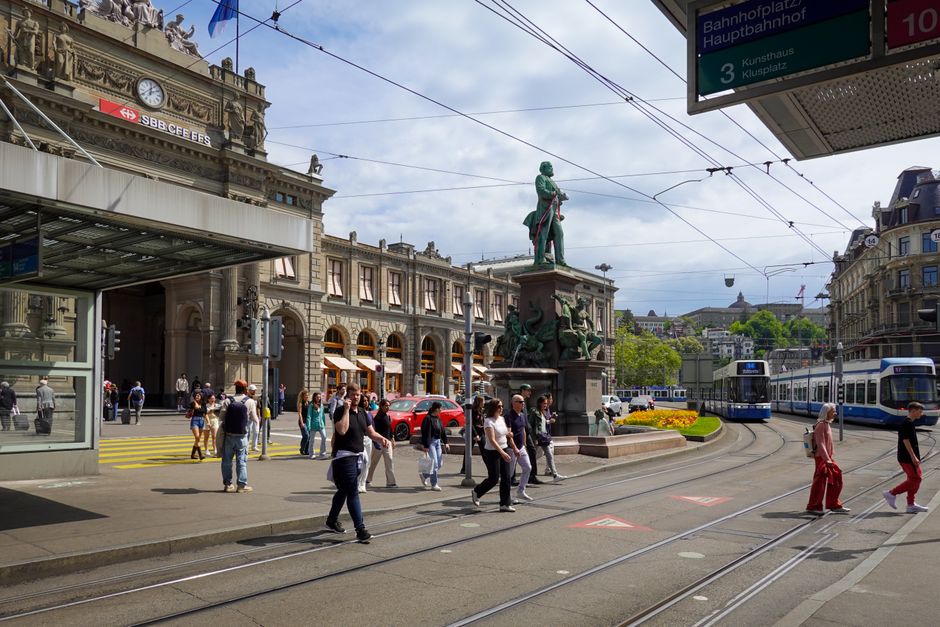
3) Practical steps — how to buy, ask for advice and get insurance approval
Follow this step-by-step protocol if you need to buy or replace a medical item in Zurich and possibly get reimbursed by your insurer. These steps help you avoid mistakes, language barriers and unnecessary paperwork.
- Identify the exact item in advance — use the checklist above and check whether the product requires a prescription. If you’re visiting a pharmacy, note the generic name (paracetamol = acetaminophen) and the required dosage.
- Pick the right place — for medicines or advice, go to a pharmacy (Bahnhof Apotheke Zürich, Amavita Bahnhofstrasse). For outdoor supplies, go to Transa (Josefstrasse 134); for consumables (gloves, tape) visit Migros (Bahnhofstrasse 50).
- Arrive prepared — bring your insurance card (EHIC or private), your medication list and an ID. Example: if you need a prescription and your doctor back home can send an e-prescription, print it or have it on your phone.
- Ask for clear advice at the counter — in English or German. Example phrase in English: « I have a small wound and need antiseptic and sterile compresses. Do you recommend anything specific? » Zurich pharmacists follow strict protocols and can suggest the right dressing and usage instructions.
- Keep your detailed receipt — for insurance reimbursement ask for a receipt in English/German listing the product name, pharmacist’s VAT number, VAT and total price. Example: « Paracetamol 500 mg — 10 tablets — €3.50 ».
- Contact your insurer — some insurers require pre-approval for expensive drugs; others reimburse on receipt. Note: the EHIC covers some emergency care but not all private costs. For private reimbursement, scan the receipt and email it to your insurer and keep the originals.
- In a serious emergency — dial 144 for an ambulance in Switzerland. For a non-life-threatening issue needing urgent attention, head to a walk-in center (e.g. Hirslanden Klinik Emergency Walk-In; address: Seefeldstrasse 10, 8034 Zürich — hours vary; check the website). Cost: an emergency consultation can range from €50–150 depending on procedures and insurance.
Language tip: « pharmacy » = Apotheke (German), « bandage/dressing » = Verband, « antiseptic » = Desinfektionsmittel. If you have asthma, show your inhaler and ask for an « inhaler replacement » — pharmacists can often help quickly.
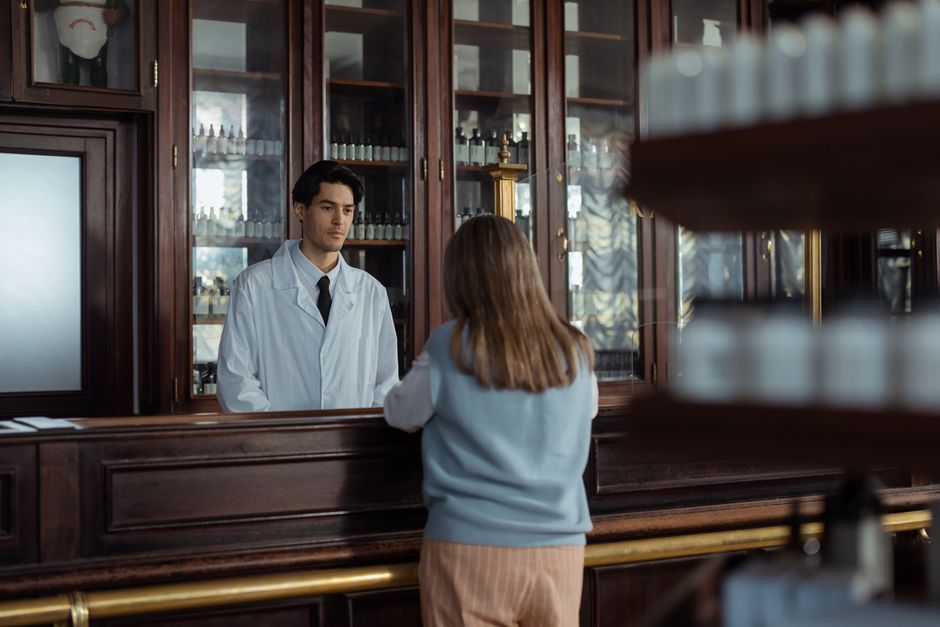
4) A hiking kit based in Zurich — adjustments and where to buy specific gear
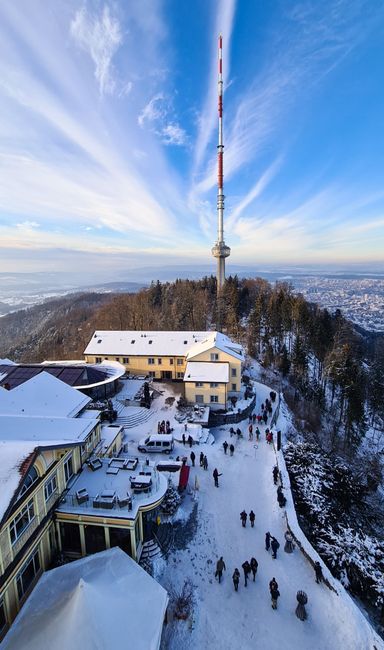
Many visitors base themselves in Zurich for day-hikes (Uetliberg, Rigi, trips to Lucerne or the Engadin). For these outings, adapt your first-aid kit: add blister care, mild hypothermia protection and sun protection. Here’s a recommended hiking kit and where to buy each item in Zurich.
- Hiking kit (suggestion)
- Hydrocolloid blister dressings (6) — for long walks
- Compression bandage and Velpeau band (for minor sprains)
- Ultralight survival blanket
- Hand sanitiser gel (50 ml)
- Oral rehydration sachet
- Compass or mini GNSS + printed map (for no-network areas)
- Where to buy these items
Transa Backpacking AG (Josefstrasse 134, 8005 Zürich): specialist hiking supplies. Hours: 09:30–18:30 (Mon–Fri). Prices: survival blanket ≈ €4–8; hydrocolloid blister pack ≈ €6–12; Velpeau band ≈ €5–10.
Globetrotter (if present) or Ochsner Sport (Sihlcity, Kalanderplatz 7, 8045 Zürich): for footwear, heavy-duty tapes and technical socks. Ochsner Sport hours: 10:00–20:00 (Mon–Sat). Prices: technical socks ≈ €12–25; kinesiology tape (k-tape) ≈ €8–15.
Before heading out on a hike from Zurich:
- Check the weather on MeteoSwiss and trail availability.
- Tell someone your route and expected return time.
- Charge your phone and bring a 10,000 mAh power bank.
- For a sprain or serious injury don’t push it: return to Zurich or call emergency services if needed (144 for ambulance).
5) Real scenarios and step-by-step actions on the ground
Caught a cut while wandering the old town, hit by a sudden fever or dealing with an allergic reaction in a restaurant? Here are precise, staged protocols depending on severity so you can act fast in Zurich.
- Minor cut (light bleeding)
- Clean the wound with an antiseptic wipe.
- Apply pressure for 5–10 minutes to stop the bleeding.
- Place a sterile compress and an adhesive bandage.
- If the wound is deep (>1 cm) or contains debris, go to the emergency clinic (e.g. Hirslanden Klinik, Seefeldstrasse 10). Emergency stitches can cost approx. €80–200 depending on treatment and insurance.
- Fever or significant malaise
- Check temperature with a digital thermometer.
- Give paracetamol 500 mg (adults: 500–1000 mg depending on tolerance, every 4–6 hours max) if fever >38.5 °C.
- See a doctor if fever persists >48 hours or if signs of dehydration appear. On-call doctors and walk-in clinics can be found via 0800-140-140 (medical assistance number in Switzerland) or the University Hospital of Zurich (Universitätsspital Zürich, Rämistrasse 100, 8091 Zürich) for serious cases.
- Allergic reaction (hives, swelling)
- Administer an oral antihistamine (loratadine 10 mg) for mild reactions.
- If there is facial/mouth swelling or wheezing: this is an emergency — call 144. If you have an adrenaline auto-injector (EpiPen), use it and go straight to the nearest hospital.
- Sprain or sports injury
- Follow PRICE: Protection, Rest, Ice (20 minutes), Compression (compressive bandage), Elevation.
- If you cannot walk or the pain is severe, get an X-ray. Example: Waid City Hospital (Waidstrasse 105, 8037 Zürich) provides emergency radiology — expect approx. €50–120 for an X-ray depending on the procedure.
Important: keep all receipts and prescriptions; they make reimbursement easier. Staff in Zurich hospitals and larger pharmacies generally speak English, but a few German phrases help when you’re in rural pharmacies or out on excursions.
Conclusion — Practical summary and printable checklist
Quick summary: prepare a compact carry-on kit (€25–40) and a full kit if you plan to hike or travel with family (€60–90). Pack dressings, antiseptics, painkillers, antihistamines, bandaging supplies, gloves and your insurance documents. In Zurich, top up at station-area pharmacies (Bahnhof Apotheke Zürich, Bahnhofplatz 15), Amavita at Bahnhofstrasse 70 for travel packs, Migros and Coop for consumables, and Transa (Josefstrasse 134) for hiking gear. Always keep receipts for reimbursement and dial 144 for serious emergencies.
Printable quick checklist (copy/paste):
- Assorted adhesive bandages: 10–15
- Hydrocolloid blister dressings: 4–6
- Sterile compresses: 6
- Micropore tape + Velpeau band: 1 roll / 1
- Antiseptic 50 ml, antiseptic wipes: 10
- Paracetamol 500 mg: 10 tablets
- Ibuprofen 400 mg: 6 tablets
- Antihistamine: 7 tablets
- Digital thermometer, nitrile gloves: 1 / 4 pairs
- Survival blanket, blister gel
- Insurance card + personal medication list
Final local tips: buy medicines at a pharmacy; check Sunday hours (many are closed); keep digital copies of your receipts and insurance cards. Zurich is welcoming and well-equipped — with the right kit and these exact addresses you’ll be independent and confident. If you’d like a PDF checklist with checkboxes or a kit customized for a child/allergy/diabetes, tell me which profile and I’ll prepare a printable file.