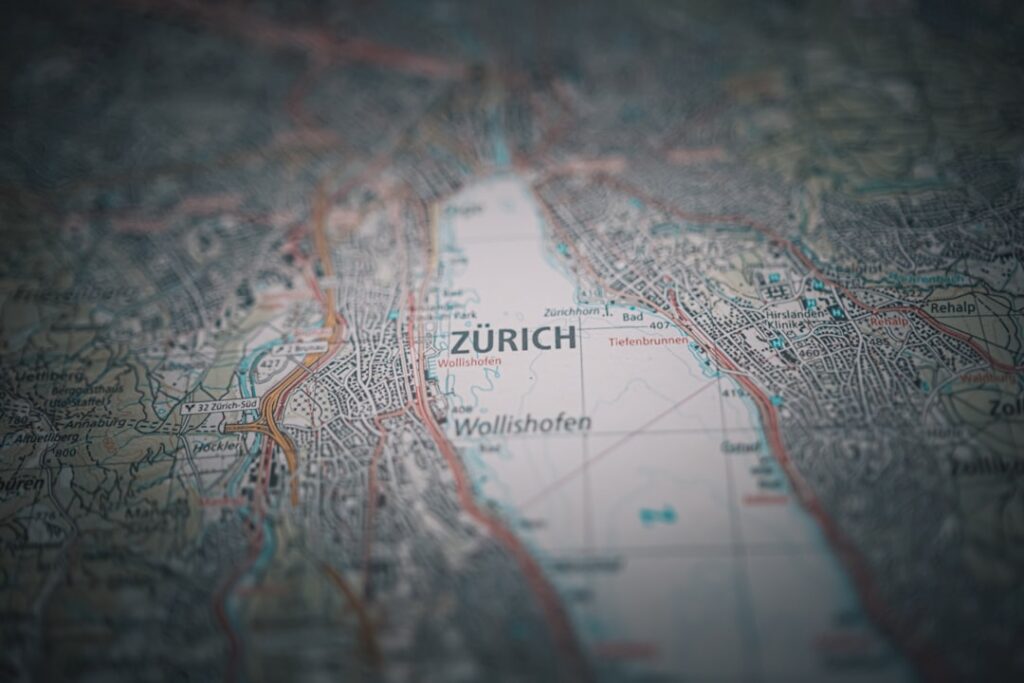






Introduction: Why a Zurich-specific first-aid kit?
Traveling to Zurich calls for a practical medical approach: the city is modern and healthcare is excellent, but Swiss medical costs can add up quickly if you improvise. A well-thought-out first-aid kit saves you from hunting for a late-night pharmacy, paying inflated prices for unsuitable products, or facing unnecessary delays for minor emergencies. This hands-on guide gives you a concrete list of items to pack, exact addresses to top up your kit in Zurich, approximate prices in euros and precise opening hours — no vague advice, just actions you can take right away.
Zurich mixes busy urban areas (Bahnhofstrasse, Niederdorf), green spaces where you might get hurt (Uetliberg, lakeside promenades) and changeable weather (sudden spring/autumn showers). As a result, your kit should cover small cuts, burns, common ailments (headache, digestive issues), sun or cold-related needs, and administrative items (prescription copies, medical ID cards). This guide not only tells you what to include but exactly where to buy it in Zurich, how much it will roughly cost in euros, and how to proceed if you need to see a pharmacist or doctor.
Inside you’ll find downloadable checklists (simple lists to copy), step-by-step instructions to buy and assemble your kit in half a day in Zurich, and concrete addresses: the pharmacy at the main station (perfect for arrival), central supermarkets, a 24-hour emergency clinic and a few spots for specialty products (antiseptic sprays, compress dressings, over-the-counter meds). Local tips help you communicate with staff (short phrases in German) and avoid unnecessary expenses. Prices are shown in euros to make planning easier; they are rounded and approximate since Switzerland charges mostly in Swiss francs (CHF) — we convert for your convenience.
Before you leave: make sure prescription medicines are in sufficient quantity and bring the paper prescription or a copy in English/German. On arrival: check in at the station pharmacy (open late) to cover urgent needs. If you have a specific activity planned (hike up Uetliberg, cycling around the lake, water sports), follow the dedicated checklist included here. Keep your travel insurance details and medical notes on your phone and on paper.
Section 1 — Detailed kit contents: essentials and quantities
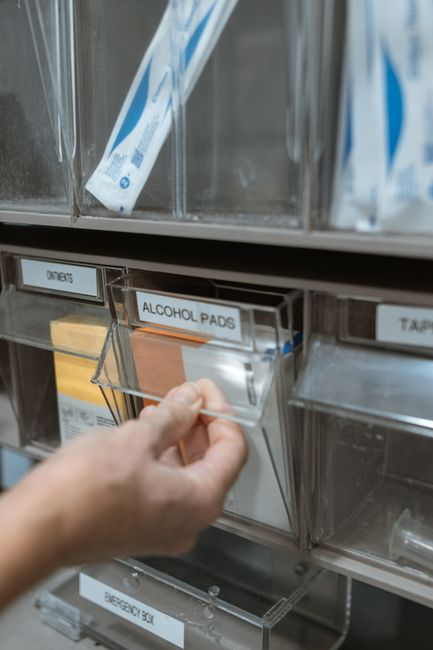
Here’s a practical checklist with minimum quantities for a 3–10 day trip to Zurich (for two people). Bring items that are hard to find in Swiss pharmacies (specific prescription meds, prescribed ointments, or personal-brand preferences). The items below are grouped by category with a short note on use.
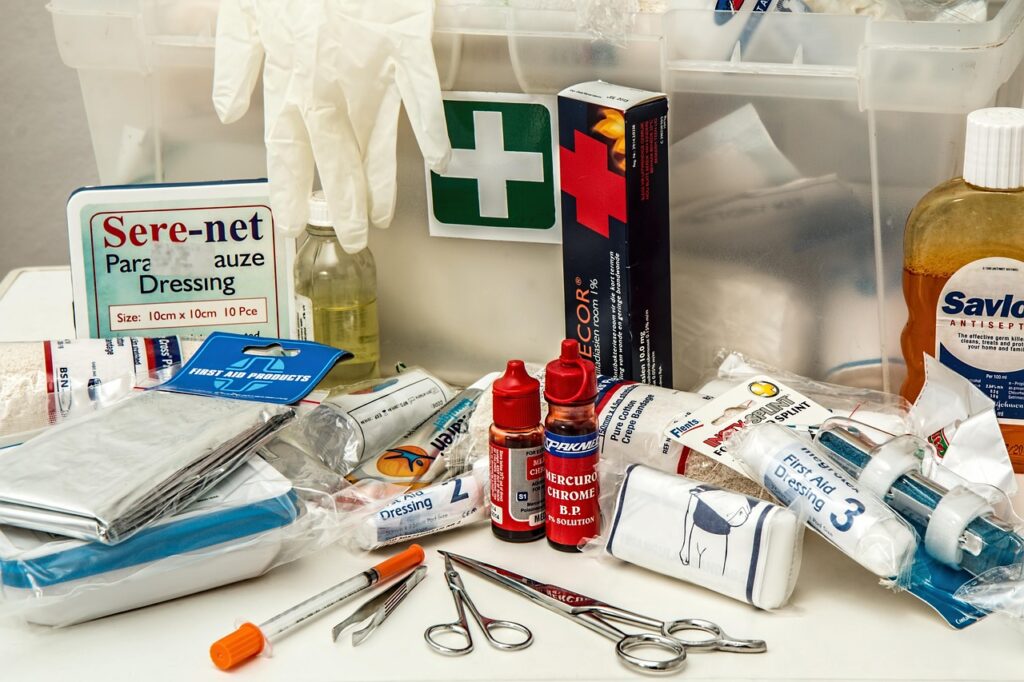
- Prescription medications: 7–14 days’ supply plus a photocopy of the prescription in English/German. Carry them in a separate waterproof pouch.
- Painkillers / fever reducers: paracetamol 500 mg, ibuprofen 200 mg — 20 tablets each (typical pharmacy price: €4–8 per box of 20).
- Antihistamines: cetirizine 10 mg, 10 tablets (approx. €6–10).
- Anti-diarrheal & rehydration: loperamide 10 tablets (approx. €6), oral rehydration sachets (6 sachets, approx. €5).
- Antiseptic: povidone-iodine or chlorhexidine, 100 ml (approx. €6–10).
- Plasters: assorted adhesive plasters (20 pieces), sterile gauze 10×10 cm (10 pieces), compress dressings 10×10 cm (2 units).
- Bandages and tape: elastic bandage 5 cm x 4 m (1), hypoallergenic adhesive tape (1 roll).
- Blister kit: hydrocolloid blister plasters (6 pieces, approx. €8–12).
- Scissors, tweezers: metal, small travel size (approx. €5–10).
- Thermometer: small digital thermometer (approx. €8–15).
- Sunscreen & lip balm: SPF 30+ travel sizes (approx. €6–12 each).
- Hand sanitizer: 100 ml (approx. €3–6).
- Emergency foil blanket: one survival blanket (approx. €2–5).
- Activity-specific kit: antiseptic spray for stings, topical anti-inflammatory, anti-chafing cream (if hiking/cycling).
- COVID supplies: 4 FFP2 masks if you prefer and 2 rapid antigen tests (approx. €10–20 depending on brand).
- Documentation: insurance card, emergency contacts, vaccination record, copy of prescriptions.
Tip: pack the kit in a transparent, zip-sealed waterproof pouch. Keep prescription meds separate from OTC products to streamline any checks. Label sensitive medicines in English/German with name, dose and dosing times.
Section 2 — Where to buy or top up your kit in Zurich: addresses and practical details
Zurich has plenty of pharmacies and supermarkets where you can find every item on the list. Here are six key spots — exact address, opening hours, rough prices in euros and a quick tip for each. Start at the station for immediate needs, then finish shopping in the city center.
-
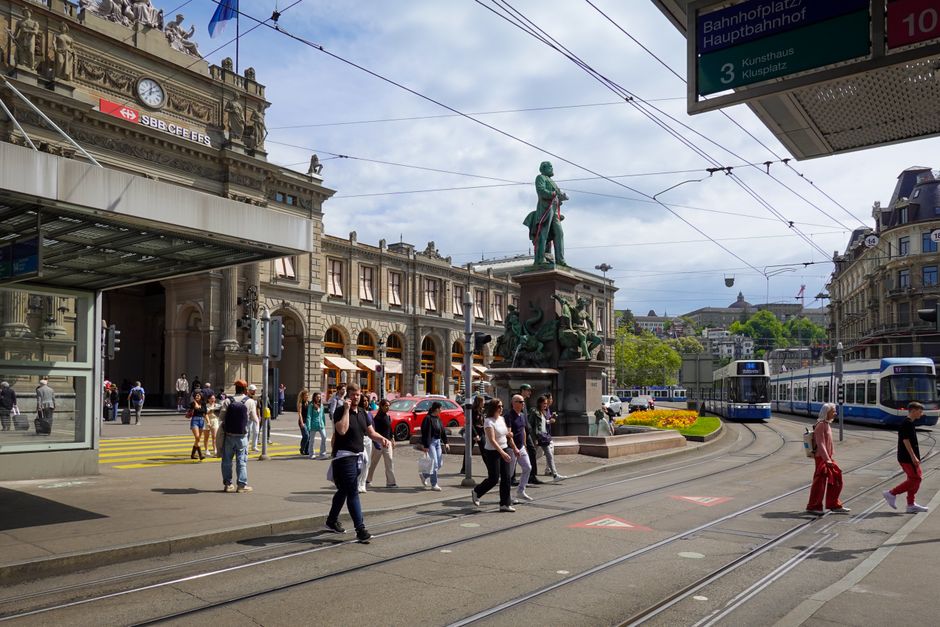
Apotheke im Hauptbahnhof (Pharmacy Zurich HB)
Address: Bahnhofplatz 15, 8001 Zürich.
Opening hours: open daily 07:00–22:00 (hours may change during holidays).
Typical products & prices: paracetamol 20 pcs ≈ €5, assorted plasters ≈ €4–8, antiseptic 100 ml ≈ €7.
Tip: ideal for urgent needs on arrival; staff are often English-speaking and the pharmacist can sometimes provide over-the-counter alternatives for prescription meds. -
Coop City Bahnhofstrasse
Address: Bahnhofstrasse 77, 8001 Zürich.
Opening hours: Mon–Sat 09:00–20:00, closed Sunday.
Products: hydrocolloid plasters, sunscreen, basic thermometers. Supermarket prices: plasters ≈ €3–6, sunscreen 50 ml ≈ €8–12.
Tip: good value for non-pharmacy consumables. -
Migros Bahnhofstrasse (Migros City)
Address: Bahnhofstrasse 23, 8001 Zürich (Migros City nearby; check the exact entrance on site).
Opening hours: Mon–Sat 08:00–20:00 (may vary).
Products: hand sanitizers, plasters, small medical tools. Prices similar to Coop. -
Amavita Apotheke Bahnhofstrasse
Address: Bahnhofstrasse 74, 8001 Zürich (check locally for the exact branch; there are several on Bahnhofstrasse).
Opening hours: Mon–Sat 08:00–19:00, Sunday hours vary.
Specialized products: antihistamines, OTC medicines and detailed pharmacy advice. Pharmacy prices ≈ €6–12 depending on product. -
Universitätsspital Zürich (University Hospital Zurich)
Address: Rämistrasse 100, 8091 Zürich.
Emergency: Notaufnahme (Emergency) open 24/7.
Prices: emergency consultation for non-residents depends on your insurance; expect an initial charge (estimate: €100–300 for triage and initial care, highly variable).
Tip: for serious injuries go there without hesitation; call 144 for an ambulance. -
City Pharmacy Zurich – Niederdorf
Address: Oberdorfstrasse 6, 8001 Zürich (Niederdorf, the Old Town).
Opening hours: Mon–Sat 09:00–18:00 (hours may vary).
Products: first aid, travel items and hiker recommendations. Prices for plasters and antiseptics are similar to other pharmacies.
Practical tip: prices in Switzerland are displayed in CHF — convert mentally (approx. 1 CHF ≈ 0.95 EUR) or use a conversion app. Outside regular hours, the station pharmacy (Zurich HB) is usually the easiest option.
Section 3 — Step-by-step plan to prepare and top up your kit in half a day in Zurich
If you arrive in Zurich without a kit, follow these timed, practical steps to be ready in under four hours. This plan assumes you’re staying centrally (near Hauptbahnhof / Bahnhofstrasse). All addresses are listed in the previous section.
-
Step 1 (0–30 minutes): Arrival at the station — immediate purchases.
Where: Apotheke im Hauptbahnhof (Bahnhofplatz 15). Buy painkillers (paracetamol/ibuprofen), plasters, antiseptic and hand sanitizer. Estimated cost: €20–40 depending on brands. Why: covers most minor incidents. -
Step 2 (30–90 minutes): Top up at a supermarket.
Walk to Coop City (Bahnhofstrasse 77) or Migros (Bahnhofstrasse 23). Buy sunscreen, a survival blanket and hydrocolloid blister plasters. Estimated cost: €20–30. -
Step 3 (90–150 minutes): Specialist pharmacy if needed.
If you need antihistamines, an insect-sting spray or compress dressings, go to Amavita (Bahnhofstrasse 74) or City Pharmacy (Oberdorfstrasse 6). Pharmacists can advise in English and suggest local alternatives. Estimated cost: €10–30. -
Step 4 (150–240 minutes): Documentation and checks.
Retrieve your prescription copies: make photocopies at a kiosk or print at a local print shop / hotel business center. Gather travel insurance and emergency numbers (144 for ambulance). Cost: photocopy ≈ €0.20–1. Save everything to Google Drive and print a paper copy. -
Step 5: Pack a compact kit.
Place everything in a clear zip pouch, separate into compartments (medications, first aid, documents). Make sure everything is easy to access. Time: 10–15 minutes.
Local tip: ask the pharmacist «Können Sie mir das auf Englisch erklären?» or simply «Do you speak English?» — most will. To avoid queues, visit pharmacies early in the day (09:00–11:00) for central locations.
Section 4 — Practical scenarios and how to respond
This chapter applies the kit to real situations you might face in Zurich: a cut in the city, a blister after a hike, an allergic reaction, a stomach issue, or a nighttime emergency. For each scenario you’ll find an immediate action, the items to use and the place to contact if needed.
-
Clean cut with minor bleeding (e.g. on a tram or in a café)
1) Rinse the wound with clean water, apply an antiseptic (chlorhexidine) and a plaster. 2) If bleeding continues for more than 10 minutes, go to the Unfallstation (emergency unit) at Universitätsspital Zürich, Rämistrasse 100, 8091 Zürich. Emergency 24/7. Cost: stitches and triage can range €100–500 depending on care. -
Blister after hiking Uetliberg
1) Clean, let dry, apply a hydrocolloid plaster. 2) Buy plaster at Coop City or a pharmacy. Hydrocolloid plaster price ≈ €8–12. 3) If redness and pain increase, consult City Pharmacy or a doctor. -
Skin allergic reaction or insect sting
1) Take an oral antihistamine (cetirizine 10 mg). 2) Apply an anti-itch cream and a cold compress. 3) If facial swelling or breathing difficulty occurs: call 144 immediately. Nearby emergency example: Triemli Hospital – Zürcher Höhenstrasse 22, 8032 Zürich (emergency department). -
Headache, migraine, fever
1) Paracetamol 500 mg (1–2 tablets depending on weight), hydrate and rest. 2) Avoid alcohol and bright light; look for an open pharmacy if specific meds are needed. If pain persists, see a private doctor (costs vary). -
Digestive problems (traveler’s diarrhea, food poisoning)
1) Oral rehydration, loperamide to control diarrhea and rest. 2) If severe vomiting or persistent fever occurs, consult a medical practice (e.g. Klinik Hirslanden, Witellikerstrasse 40, 8057 Zürich; private consultations with variable fees: €100–300).
All these scenarios take into account high Swiss prices; if you have European or international travel insurance, contact your assistance before accepting expensive care. When in doubt, visit the pharmacy first: Zurich pharmacists frequently give reliable medical advice and will refer you to hospital only if necessary.
Conclusion: Pack smart and stay calm in Zurich
A Zurich-ready first-aid kit combines personal preparation (prescription meds, prescription copies, sun protection), basic first-aid supplies and local knowledge (where to go depending on the emergency, opening hours and approximate costs). By following the checklists, stopping first at the Hauptbahnhof pharmacy for essentials, then topping up at Coop City or a city-center pharmacy, you can be fully prepared in less than half a day. The euro prices help you budget, but remember most billing is in Swiss francs (CHF) and hospital costs can climb quickly without insurance.
Before you go: print this page or save it to your phone, and prepare a small pouch with essential documents (insurance, prescriptions, local numbers). Once in Zurich, prioritize the Zurich Hauptbahnhof pharmacy for its late hours and English-speaking staff. For serious emergencies, don’t hesitate to call 144 (ambulance) or go to Universitätsspital Zürich, Rämistrasse 100, 8091 Zürich (emergency 24/7).
Finally, adapt your kit to your activity: hikers should bring blister plasters and a compression bandage; business travelers may prefer painkillers and a thermometer. With these practical recommendations, addresses and steps, you’re ready to enjoy Zurich — a safe, well-equipped city — while keeping peace of mind about health issues on the road.