





Introduction — Why you should know where to get medical care in Zurich before you travel
Visiting Zurich is a delight for the senses: a clear lake, a medieval Old Town, world‑class museums and refined dining. But even the best‑planned trips can be disrupted by a minor injury, an allergy flare‑up or a small accident. Knowing in advance where and how to get medical care in Zurich saves time, reduces stress and helps control costs. This detailed guide is aimed at short‑ and long‑term visitors, business travelers and recent expats. It covers emergencies, walk‑in clinics, doctor offices, pharmacies, dental care, telemedicine services, plus practical tips on insurance and estimated costs in euros.
Zurich benefits from a high‑quality healthcare system. Public and private hospitals are well equipped and staff usually speak English. However, the system may differ from what visitors are used to: in Switzerland patients often pay a share of costs up front and private insurance plays an important role. For EU citizens, the European Health Insurance Card (EHIC) helps with coverage in public hospitals for necessary care, but it’s common to pay first and be reimbursed later. Visitors from other countries should check travel insurance, as some facilities require immediate payment or proof of coverage.
This guide includes exact addresses, key opening hours (including 24/7 emergency services), price estimates in euros (converted and rounded as a guide), and practical local tips: how to call an ambulance, where to buy meds outside regular hours, and what steps to follow if you need to see a specialist. The facilities range from major university hospitals to high‑end private clinics, plus practical services like telemedicine and pharmacies near main train stations. The information is up to date at the time of writing and should give you a solid foundation to act quickly and confidently if you need care in Zurich.

1) Major hospitals and emergency care — where to go in a true emergency
In a serious emergency (chest pain, heavy bleeding, major trauma, loss of consciousness) call the Swiss emergency number immediately: 144 (ambulance). The service is fast and professional. Zurich’s main hospitals have emergency departments open 24/7. Here are the facilities to know:
- Universitätsspital Zürich (USZ)
Address: Rämistrasse 100, 8091 Zürich.
Emergency: open 24/7.
Description: A top university hospital specializing in surgery, cardiology, neurology and trauma care. State‑of‑the‑art facilities and multilingual teams. It’s the most comprehensive option for complex cases.
Estimated costs: ER visit (adult) roughly 250–600 EUR depending on tests and procedures; inpatient care from about 800 EUR per day excluding major surgeries. (Indicative estimate) - Stadtspital Triemli
Address: Birmensdorferstrasse 497, 8063 Zürich.
Emergency: open 24/7.
Description: Large municipal hospital covering trauma, emergency care and pediatrics. Located in the west of the city, easily reachable by tram/bus from the center.
Estimated costs: ER visit 200–500 EUR; additional imaging 100–400 EUR. - Klinik Hirslanden
Address: Witellikerstrasse 40, 8032 Zürich.
Emergency: admission and urgent consultations 24/7 for serious cases (private facility).
Description: A well‑known private hospital, ideal for planned surgeries and premium care. Stylish decor and private rooms available.
Estimated costs: urgent consultation 250–700 EUR; surgical procedures and inpatient stays are significantly higher (private rates).
Local tips: carry a copy of your passport, insurance card and EHIC (if you’re an EU national). Emergency departments often bill additional tests (X‑rays, bloodwork) separately. If the situation isn’t life‑threatening but needs prompt attention (significant sprain, a cut needing stitches), consider walk‑in clinics or non‑hospital urgent care centers to avoid longer waits and higher costs.
2) Walk‑in clinics, GP offices and teleconsultation
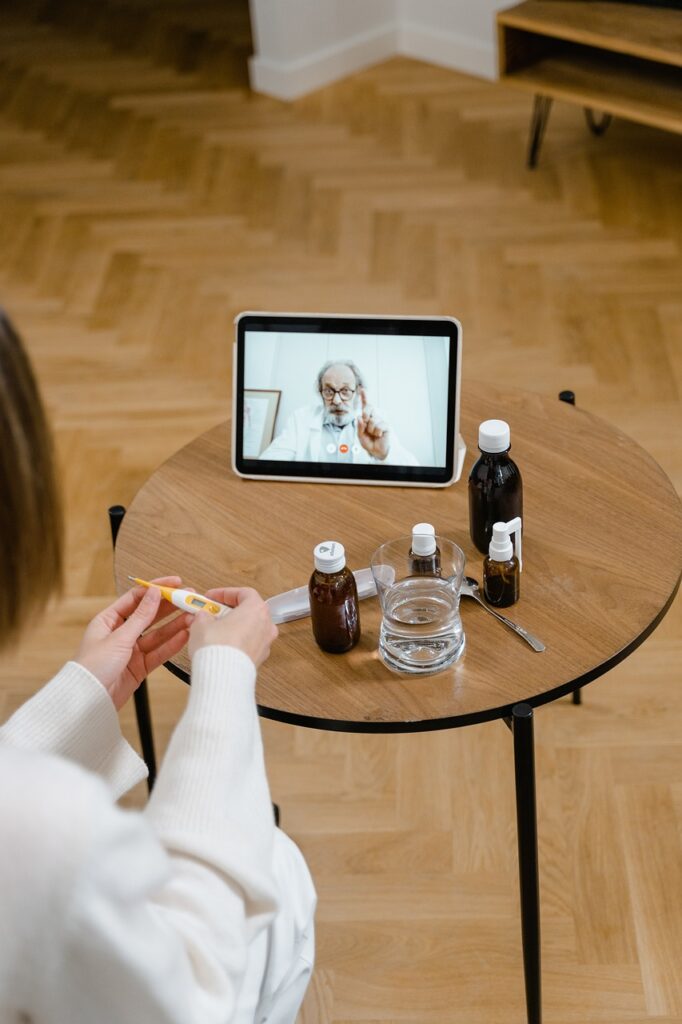
For non‑life‑threatening but urgent health issues (high fever, infections, minor injuries or quick consultations), Zurich offers several convenient options: walk‑in clinics, general practitioner offices and teleconsultation services. These alternatives are often faster and cheaper than a large hospital emergency department.
- Medgate / Medgate Teleclinic
Service: phone and video consultations 24/7.
Address for in‑person appointments if needed: Medgate AG, Im Gewerbepark 6, 6330 Cham (online service for Zurich).
Fees: phone/video consultation around 30–70 EUR depending on duration and complexity. Electronic prescriptions possible.
Advantage: very handy if you’re in a hotel and can’t get to a clinic immediately. - Medbase (chain of medical centers)
Example: medbase Zentrum City, Limmatquai 2 (indicative city‑center location) — check exact locations online.
Typical hours: Mon–Fri 08:00–20:00, Sat 09:00–16:00 (varies by center).
Fees: walk‑in GP consultation 70–150 EUR. Additional tests not included. - Private GP practices (Praxis Dr. med.)
Tip: many private practices accept visitors, but it’s best to call for a same‑day appointment. Practices near Bahnhofstrasse and Zurich main station (Zürich HB) are convenient for travelers.
Fees: general consultation 60–150 EUR depending on the doctor and any rapid tests performed.
Local tips: take a photo of your prescription and ask for an English translation if it’s written in German. To avoid surprise charges, ask for an estimated cost before any examination or procedure. If you regularly take medication, bring the labels and, if possible, a prescription from your home doctor. For minors, a parent’s presence and an ID are often required.
3) Pharmacies, outpatient care and dentists for travelers
Pharmacies in Zurich are well distributed and some stay open late or offer on‑call services. They can provide over‑the‑counter meds, dispense prescription drugs and advise on first aid. For urgent dental issues (pain, fractured teeth) several dental offices accept emergencies.
- Hospital Pharmacy at Universitätsspital Zürich
Address: Rämistrasse 100, 8091 Zürich (inside USZ).
Hours: typically 08:00–18:30 on weekdays; on‑call pharmacy available outside these hours — check the notice at the entrance or online.
Price examples: painkiller (paracetamol, 20 tablets) ≈ 5–10 EUR; prescription antibiotics prices vary ≈ 10–40 EUR depending on the drug and format. - Amavita Apotheke Bahnhofstrasse
Address: Bahnhofstrasse 77, 8001 Zürich (near the shopping area and the station).
Hours: Mon–Sat 08:00–18:30; night and Sunday on‑call duty according to rotation.
Services: dispensing meds, travel advice, first aid supplies. - SOS Dent Zurich — urgent dental care
Indicative address: dentists near Zürich HB, check local directories for same‑day emergency appointments.
Hours: many practices offer urgent care days per week; expect to pay roughly 60–200 EUR for a consultation and 100–600 EUR for procedures (extraction, filling, X‑ray).
Local tips: Swiss pharmacists are qualified and helpful; they can suggest over‑the‑counter alternatives if you don’t have a prescription. Antibiotics require a prescription from a Swiss doctor (or via a reliable teleconsultation). For dental care, ask for a written cost estimate before any treatment and keep all receipts for potential travel insurance reimbursement.
4) Insurance, reimbursements, prices and administrative steps for visitors
Understanding costs and administrative steps is essential to avoid financial surprises. Healthcare in Switzerland is high quality but prices can be higher than in many European countries. Key points for visitors:
- Emergency numbers: 144 for ambulance, 117 for police, 118 for fire.
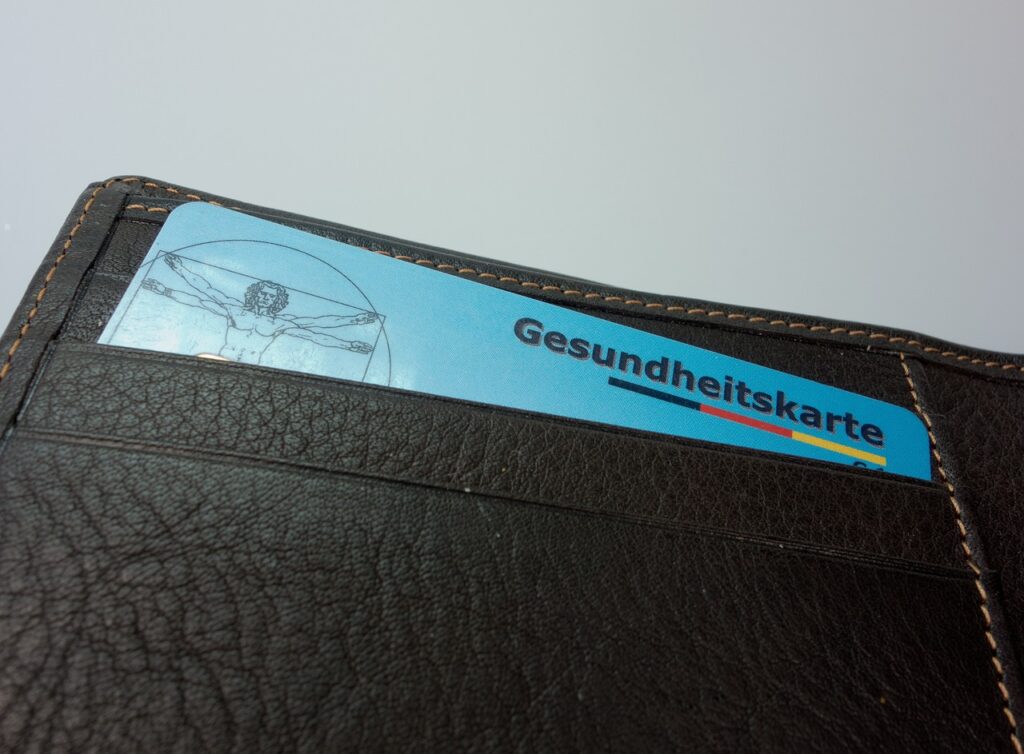
- European Health Insurance Card (EHIC): valid at public hospitals for necessary care. Present the card at admission and keep all documents for reimbursement.
Example: if you get urgent care at Universitätsspital Zürich you may be treated, but you might need to pay part of the fees upfront; keep all invoices for reimbursement from your national health system. - Private travel insurance: strongly recommended. Check coverage limits, exclusions and whether medical repatriation is included. Many visitors add a medical‑expenses option with a reduced deductible to avoid large on‑the‑spot payments.
- Indicative price examples in euros (estimates):
– GP consultation at a practice: 60–150 EUR.
– Emergency department visit (hospital): 200–600 EUR depending on tests.
– Ambulance: 300–700 EUR (depending on distance and interventions).
– Simple X‑ray: 50–150 EUR.
– Blood test: 20–80 EUR.
– Prescription medication: typically 10–40 EUR; antibiotics depending on drug 10–60 EUR.
These figures are broad estimates and vary by provider, complexity and whether hospitalization occurs.
Practical procedure when receiving care: always ask for a detailed invoice (with procedure codes and amounts), plus medical reports in English if possible. Send these documents to your travel insurer or national health service with a reimbursement claim. If you’re admitted to hospital, notify your insurer to get guidance on guarantees and any coverage limits.
Conclusion — How to prepare so you can travel to Zurich with peace of mind
Zurich provides excellent medical care, with university hospitals, private clinics, GP practices and well‑placed pharmacies. The key to stress‑free travel is preparation: bring your EHIC if eligible, buy comprehensive travel insurance, and know the addresses and opening hours of the main facilities. In a life‑threatening emergency, call 144 without hesitation; for less severe issues choose walk‑in clinics, teleconsultation or a GP to reduce costs and waiting times.
Quick reminders: keep copies of prescriptions and invoices, always ask for an estimated cost when possible, and have your insurer’s contact details handy before you go. If you have specific needs (prescription medicines, chronic conditions), bring enough supplies for the trip and a translated prescription if necessary. Finally, check the on‑call pharmacy nearest your accommodation: duty rotations are posted online and on the doors of main hospitals and pharmacies.
This guide aims to give you the essential information to find and use medical services in Zurich: addresses, hours, indicative prices and practical tips. For special situations (pregnancy, chronic illness, long‑term care), contact your insurer and, if possible, make an appointment with a specialized clinic as soon as you arrive. With a little preparation you can enjoy Zurich with confidence, knowing where to go and what to do if a health issue arises.