





Introduction — Zurich Tourist Visa: what you need to know before you go
Zurich, Switzerland’s economic hub and the gateway to the Alps, draws millions of visitors every year for its sophisticated museums, crystal-clear lakeside promenades and charming historic center. But before you stroll down Bahnhofstrasse or take a boat on Lake Zurich, make sure your paperwork lets you enter: the tourist visa (short-stay Schengen visa) is the key for tourist stays of up to 90 days within any 180-day period. This complete guide explains the permitted length of stay, the steps to follow, the essential documents to provide, expected costs and practical Zurich-specific tips — exact addresses, typical opening hours, price ranges in euros and local advice to make your trip smoother.
Although Switzerland is not a member of the European Union, it is part of the Schengen Area. So the Swiss tourist visa is a standard Schengen visa: it allows you to travel freely within the Schengen area for the authorized duration. Procedures usually start in your country of residence, through the Swiss embassy or consulate with jurisdiction, or via an authorized application center (for example VFS Global in some countries). You’ll need to book an appointment, provide detailed supporting documents, pay the application fee and sometimes an extra service charge to the application center. Processing times are usually listed on the Swiss authorities’ official website, but they can vary by season, your nationality and the complexity of your case.
Beyond administrative formalities, this guide gives you practical information to prepare your arrival in Zurich: useful official addresses like the Kantonales Migrationsamt (Cantonal Migration Office) at Hirschengraben, where to go with questions upon arrival, accommodation recommendations (with addresses and price ranges in euros), local transport (typical hours and fares) and tips to present a strong application (travel insurance, proof of accommodation, proof of funds). We also include practical pointers for a successful consular interview, getting biometric documents and avoiding last-minute delays before departure.
This guide is aimed at travelers planning a tourist or family visit to Zurich who want to master every step of the tourist visa process: from booking the appointment to arriving in the city. The information below is designed to be practical, actionable and up to date at the time of publication; however, consular rules change: always double-check official sources before you start your application. Now let’s dive into the mandatory requirements and best practices to maximize your chances of securing a Zurich tourist visa.
1) Tourist visa length and stay rules: how long can you remain?
The tourist visa issued by Switzerland falls under the short-stay Schengen visa category (type C). It permits stays of up to 90 days during any 180-day period. In practice, that means you can stay a total maximum of 90 days over any rolling 180-day period in the Schengen area, regardless of the number of entries (single, double or multiple), unless restrictions are specified on the visa. For example, if you arrive in Switzerland on May 1 and stay 30 days, then leave and return on June 20 for 60 days, you will have reached the 90-day limit.
Swiss authorities indicate the authorized duration directly on the visa affixed to your passport: check the « DURATION OF STAY » field (or the local language equivalent) and the « NUMBER OF ENTRIES » field. A visa can be issued for a single entry (1), two entries (2) or multiple entries (MULT). The frequency and duration granted depend on the purpose of the trip, your personal circumstances and your travel history. Travelers with a clean Schengen travel record (timely departures, no overstays) are more likely to obtain a multiple-entry visa.
Processing time: generally, Schengen visa applications are processed within 15 calendar days, but this period can extend to 30 or 60 days in special cases (additional checks, high season). It’s recommended to submit your application at least 15 days before your planned departure and no earlier than six months before the trip (nine months for sea travel). Plan to start the process 1 to 3 months before your trip to allow ample time.
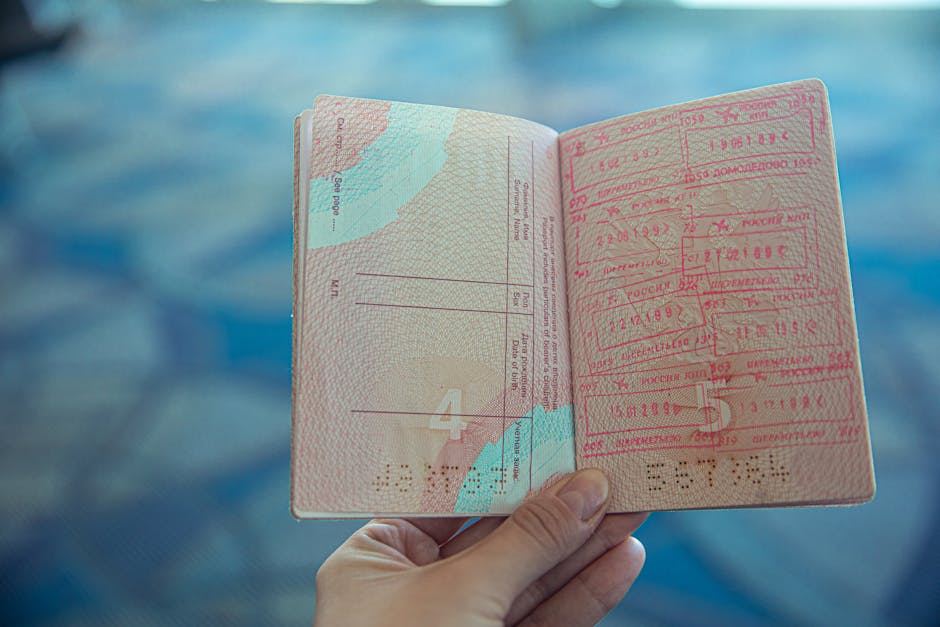
Entering Switzerland without a visa: citizens of some countries benefit from visa-free entry for short stays. Check whether your nationality is exempt on the official Switzerland Visa website or with the local Swiss embassy. If you hold a valid Schengen residence permit issued by another Schengen member state, you can also travel to Switzerland without a new visa within the 90/180-day limit.
2) Step-by-step process: where to submit your application and how?
Step 1 — Identify the competent authority: If you live in your country of citizenship, you will submit your application to the Swiss embassy or consulate with jurisdiction. For example, from France the official representation is:
- Embassy of Switzerland in Paris, 142 Rue de Grenelle, 75007 Paris — consular office hours: Mon–Fri 09:00–12:00 (by appointment), general info by phone according to schedule; check the website before you go.
For some nationalities, Switzerland mandates external service providers (VFS Global or TLScontact) to collect biometric data and manage appointments. On the official sites swiss-visa.ch or ch.ch, you will find the authorized application center in your country and the exact address.
Step 2 — Book an appointment: Appointments are made online via the application center’s portal or directly via the consulate. At your appointment you will submit the complete file and provide biometric data (fingerprints and photo). Visa fees are paid at the time of submission; additional service charges apply if you use a service provider. Typical fees: standard visa fee €80 for adults, €40 for children aged 6–12, free for children under 6; VFS service fee: around €25–€35 (varies by country).
Step 3 — Tracking and collection: After submission you can track your application via the provider’s portal or contact the consulate. If the visa is approved, you will pick up your passport at the application center or it will be returned to you by secure courier (if you selected that option). Standard processing time is around 15 days, but wait for notifications if additional documents are requested.
3) Essential documents to provide: a detailed checklist for a successful application
Here is the full checklist of documents typically required for a Swiss tourist visa. Consular authorities may request extra documents depending on your nationality or personal situation (student, employee, retiree).
- Completed and signed Schengen visa application form. Downloadable from the Swiss consulate’s official website.
- Passport: valid for at least three months after the planned date of exit from the Schengen area, with at least two blank pages; photocopies of the main pages.
- Recent passport photo: 35 x 45 mm, plain background, face uncovered, compliant with biometric standards.
- Travel insurance covering at least EUR 30,000 for medical expenses and repatriation, valid throughout the Schengen area for the entire trip. Example: printed and signed temporary travel insurance policy.
- Travel bookings: round-trip tickets or confirmed reservations (printed), with precise dates and times.
- Proof of accommodation: hotel confirmation (name, address — e.g. Hirschengraben 24 for correspondence), or an invitation letter if staying with a private host (include a copy of the host’s ID).
- Proof of funds: recent bank statements (3 to 6 months), credit cards, sponsorship letter if a third party finances the trip. Recommended daily budget varies with trip length; in Zurich expect to show roughly €80–€150 per day to cover expenses if not prepaid.
- Employer letter: leave confirmation, salary and position (if employed); for students, a school enrollment certificate; for retirees, proof of pension.
- Additional evidence: detailed travel itinerary, tour bookings, proof of family or professional ties in your home country (to demonstrate intent to return).
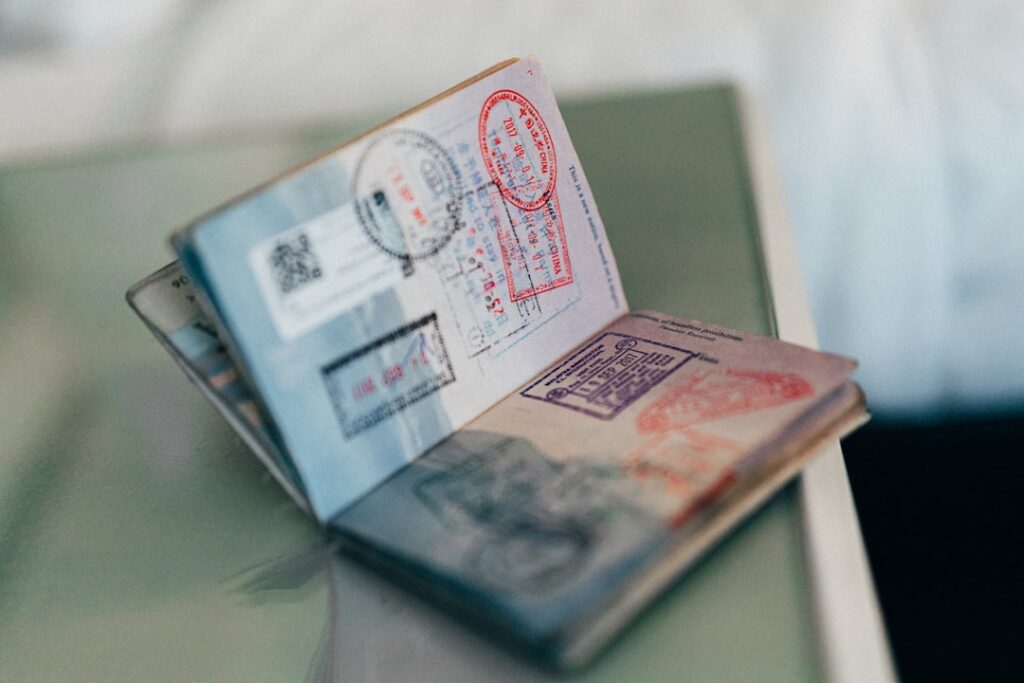
Practical tip: organize your documents in the order of the checklist, number them and provide clear photocopies. A cover letter explaining your trip (purpose, day-by-day itinerary) can help the consular officer assess your file. If you’re invited by a Swiss resident, the official invitation (Einladung) should state the duration, the exact address of stay and any financial support being provided.
4) On arrival in Zurich: formalities, useful addresses and on-the-ground tips
On arrival at Zurich Airport (Flughafen Zürich, Address: Flughafen Zürich, CH-8058 Zürich), identity checks may be carried out by border police. Present your passport and visa (if required), plus any supporting documents if asked (hotel reservation, return ticket, proof of insurance). Swiss immigration is strict but efficient; keep copies of your travel documents handy throughout your stay.
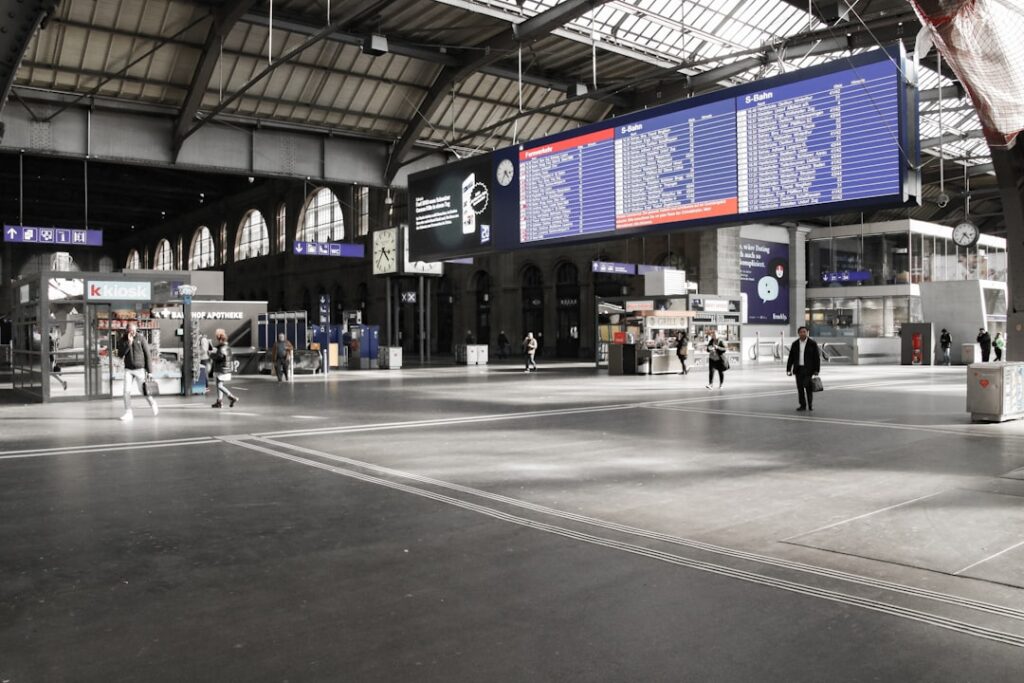
If you need administrative information in Zurich, useful addresses include:
- Kantonales Migrationsamt Zürich, Hirschengraben 24, 8001 Zürich — role: information on permits, extensions and questions regarding stays. Opening hours: Mon–Fri 08:00–11:30 and 13:30–16:00 (check before you go). Phone: +41 43 259 26 26 (example; confirm locally).
- Stadt Zürich – Einwohnerkontrolle, Stadthausquai 17, 8001 Zürich — for address registration if your stay is extended or you change accommodation (hours may vary).
- Swiss Federal Police – Flughafen Zürich for emergency immigration matters, address: Flughafen Zürich, CH-8058 Zürich, police station in the main terminal.
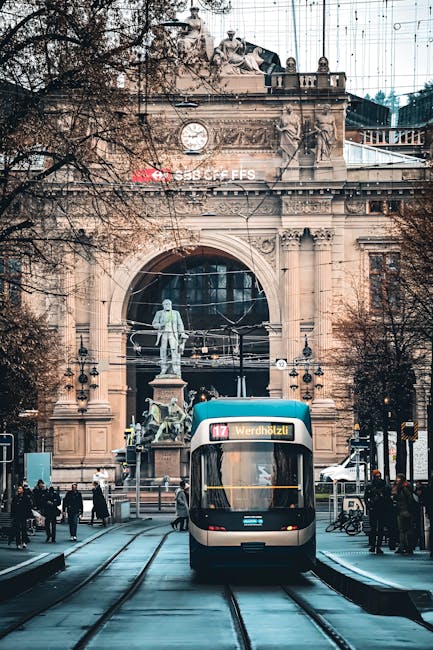
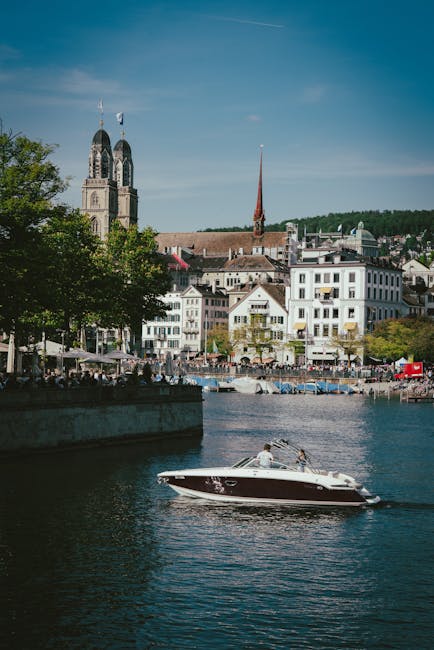
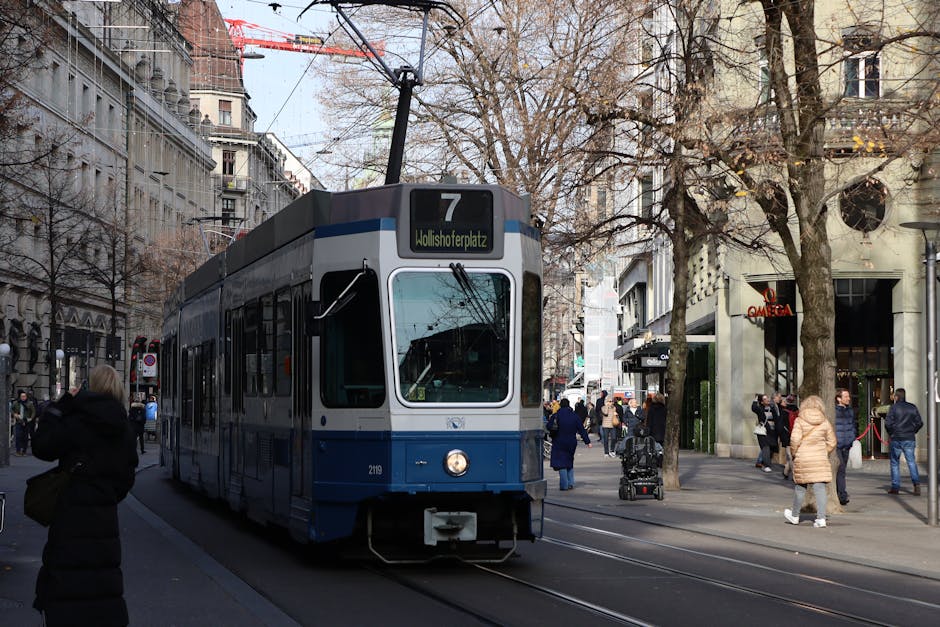
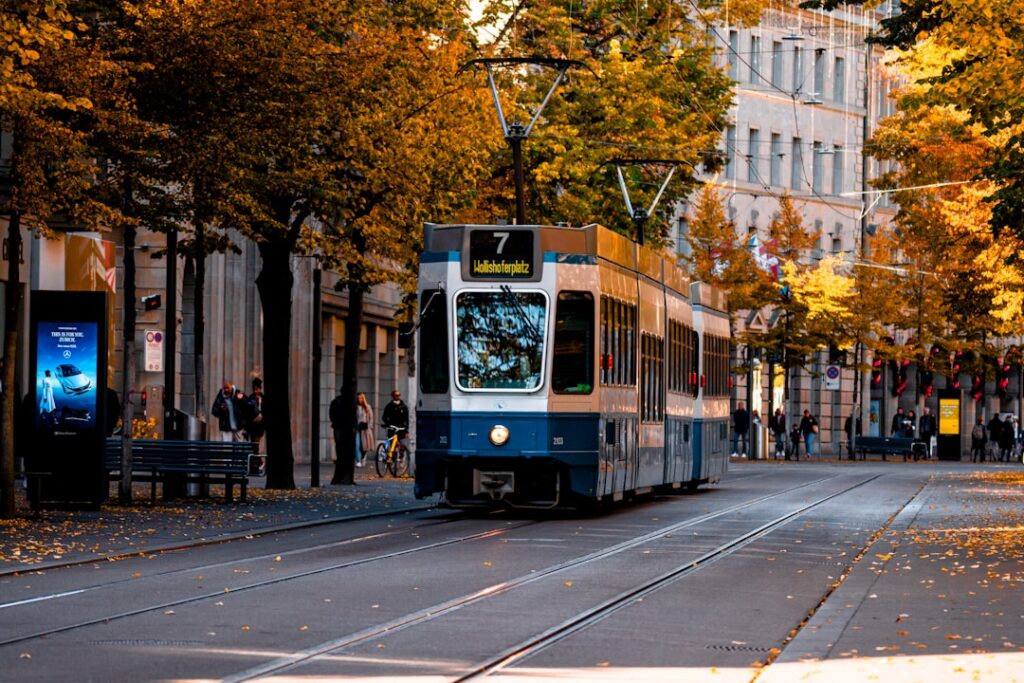
Local transport and costs (approximate prices in euros): the Lake Zurich boat company, Zürichsee-Schifffahrtsgesellschaft (ZSG), departs from Bürkliplatz, 8001 Zürich; short boat rides cost around €8–€15 depending on duration. The ZVV public transport network offers a 24-hour Zurich Card (about €13) that includes public transport and museum discounts. Taxis are expensive: airport-to-city fares are roughly €40–€60 depending on traffic. Local tip: use the S-Bahn local trains (ZVV zones) and trams for an economical, punctual way to get around.
Recommended accommodation (addresses and indicative prices in euros):
- Hotel Schweizerhof Zürich, Bahnhofplatz 7, 8001 Zürich — a 4-star hotel opposite the main train station, prices around €180–€350 per night depending on season and room type. Book early for high season.
- Hotel Opera Zürich, Seilergraben 4, 8001 Zürich — near the train station, prices around €120–€220 per night.
- Oldtown Hostel Otter, Stüssihofstatt 10, 8001 Zürich — budget option in the old town, dorm beds from about €30–€60 per night, private rooms €80–€120.
5) Local tips and best practices to boost your chances
Prepare your file like a professional dossier: clarity, completeness and documented evidence matter. Here are concrete tips to increase your odds:
- Complete and organized: arrange documents in the requested order, include a table of contents or a summary sheet listing everything. This makes review easier for the consular officer.
- Proof of funds: provide bank statements for the past 3 to 6 months, credit cards and income proof. Living costs in Zurich are high: show you can cover roughly €80–€150 per day if expenses are not prepaid.
- Solid insurance: submit a travel insurance policy that meets Schengen requirements (EUR 30,000). Without it, your application will be rejected.
- Avoid non-refundable bookings: don’t buy non-refundable tickets before your visa is granted; prefer refundable bookings or hotel confirmations with free cancellation to protect your budget in case of refusal.
- Anticipate processing times: submit the application 1 to 3 months before departure, earlier if your situation is complex (frequent travel, criminal records, etc.).
- Language and interview: if an interview is required, be clear, honest and concise. Interviews may be conducted in English, French, German or the language determined by the consulate.

If your application is refused, request the reasons in writing. You usually have a right to appeal: details (deadlines and address) are provided in the refusal notification. Often the solution is to provide additional documents and reapply.
Conclusion — Prepare for your Zurich trip with confidence
Securing a tourist visa for Zurich calls for methodical preparation: understand the 90/180 rule, gather complete documentation (application form, passport, insurance, proof of accommodation and funds), book an appointment at the competent consulate or application center and allow for processing time. Zurich is a beautiful destination but has a high cost of living; it’s therefore essential to demonstrate sufficient funds and valid insurance at the time of application. By including precise addresses — such as the Embassy of Switzerland in Paris, 142 Rue de Grenelle, 75007 Paris, or the Kantonales Migrationsamt Zürich, Hirschengraben 24, 8001 Zürich — and practical markers (hotels, transport, opening hours and approximate costs), you’ll approach the procedure with greater peace of mind.
Final tips: keep digital and paper copies of all your documents, arrive at the airport with your confirmations and insurance easily accessible, and leave enough time between finishing formalities and your departure. During your stay, enjoy Zurich’s highlights — lakeside walks, a visit to the Grossmünster (Münsterhof 2, 8001 Zürich), museums and restaurants — while respecting the conditions of your visa. If you plan a longer stay or a purpose other than tourism (work, study), contact the relevant cantonal authorities before you travel to learn about the appropriate permit procedures.
Finally, verify official information before submitting your application: consular rules change and application centers have their own fees and opening hours. By following the guidance in this guide and providing a clear, complete file, you will significantly increase your chances of obtaining a valid tourist visa to visit Zurich and experience everything this cosmopolitan city has to offer.